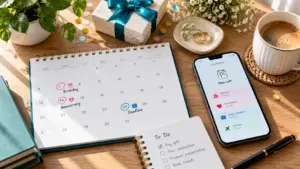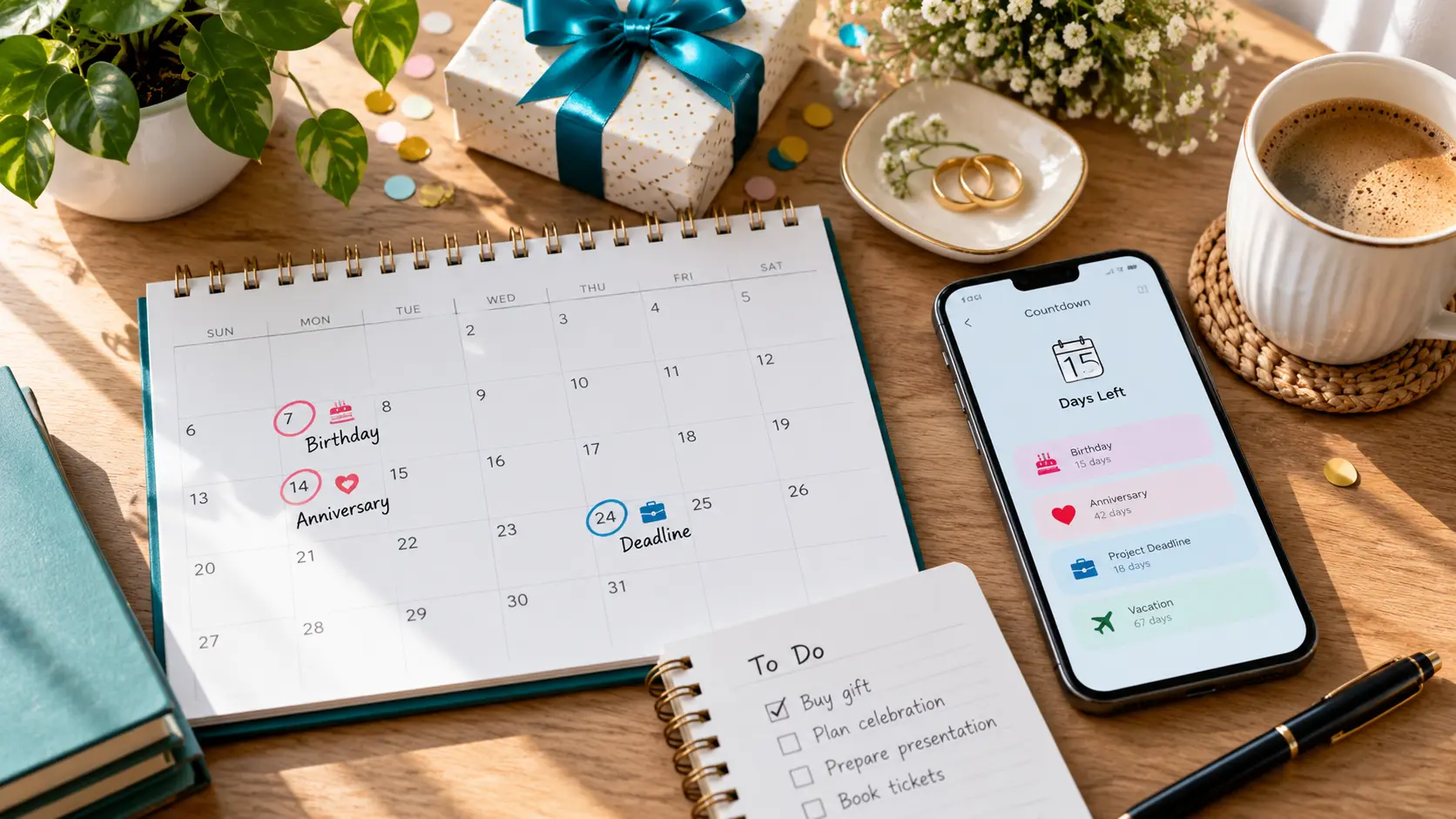
Keeping track of important dates can be challenging when life gets busy. Between birthdays, wedding anniversaries, work deadlines, school assignments, and personal goals, it is easy to lose track of how much time remains before a significant event. Missing an important date can lead to unnecessary stress, last-minute preparation, or forgotten celebrations. Fortunately, a day counter offers a simple and practical way to organize your schedule and stay aware of upcoming milestones.
Whether you want to prepare for a loved one’s birthday, celebrate an anniversary, or finish an important project on time, a day counter can help you manage your calendar more effectively. By showing how many days remain until an event or how many days have passed since a particular date, this tool makes time easier to understand and manage.
What Is a Day Counter?
A day counter is a tool that calculates the number of days between two dates or tracks the time remaining until a specific event. Depending on its features, it can also help you determine how many days have passed since a memorable occasion.
For example, you can use a day counter to find out how many days remain until your next birthday, how long you have been married, or how much time is left before a project deadline. Instead of manually counting dates on a calendar, you can get the information quickly and accurately.
Many online day counters are easy to use. You simply enter a starting date, a target date, or both, depending on the calculation you need. The tool then displays the result, making it easier to plan ahead and keep track of important milestones.
Why Tracking Important Dates Matters
Important dates often carry emotional, personal, or professional significance. Remembering them helps you maintain relationships, meet responsibilities, and organize your priorities.
Birthdays and anniversaries provide opportunities to celebrate relationships and create meaningful memories. Work and academic deadlines, meanwhile, require preparation and consistent effort. Without a reliable tracking system, these dates can become difficult to manage, especially when several events fall within the same week or month.
A day counter provides a clear overview of upcoming events. Knowing exactly how much time remains can help you prioritize tasks, prepare in advance, and avoid unnecessary pressure.
It can also make long-term goals feel more manageable. When you know the number of days available to complete a task or prepare for an event, you can divide the remaining time into smaller, achievable steps.
1. Keep Track of Birthdays
Birthdays are special occasions that allow people to celebrate family members, friends, partners, and colleagues. However, remembering every birthday can become difficult when you have a large social circle.
A day counter can help you prepare for upcoming birthdays without relying entirely on memory.
For example, if a close friend’s birthday is 30 days away, you have enough time to choose a thoughtful gift, arrange a gathering, or organize a surprise. If a family member’s birthday is approaching in just a few days, you can prioritize immediate preparations.
You can also use a day counter to plan birthday celebrations with specific budgets. Knowing how much time remains allows you to spread expenses over several weeks rather than making rushed purchases at the last minute.
For families, maintaining a list of birthdays alongside a day counter can make it easier to remember important dates throughout the year.
Once you’ve worked out how many days are left until someone’s birthday, you can start planning the little details that make the occasion memorable. A thoughtful message or digital greeting card can add a personal touch, especially when you can’t celebrate in person. For creative ideas, explore these card emoji combinations for birthdays and celebrations to make your birthday wishes and invitations more expressive.
2. Never Forget an Anniversary
Anniversaries are meaningful milestones that deserve attention and preparation. Whether you are celebrating a wedding anniversary, a relationship milestone, or another personal achievement, knowing how many days remain can help you plan a memorable occasion.
A day counter can track the time until your next anniversary or calculate how many days have passed since an important date.
For example, couples can use it to plan a romantic dinner, book a weekend getaway, or arrange a special celebration. Friends and family members can also use it to remember significant anniversaries and prepare appropriate gifts or messages.
Tracking anniversaries can be especially useful when you want to celebrate smaller milestones along the way. Instead of focusing only on the anniversary itself, you can recognize monthly or yearly progress and appreciate the time spent together.
The key benefit is simple: when you know an important date is approaching, you can prepare for it thoughtfully rather than rushing at the last minute.
3. Manage Work and Academic Deadlines
Deadlines are an essential part of professional and academic life. Reports, presentations, examinations, assignments, and business projects often require careful planning and consistent progress.
A day counter can help you understand how much time remains before a deadline and encourage you to organize your workload accordingly.
Suppose you have 14 days to complete a research paper. You can divide the available time into stages, such as research, outlining, writing, editing, and final submission. Tracking the countdown helps you monitor your progress and identify when you need to focus more attention on the project.
For professionals, the same approach can be applied to client presentations, product launches, meetings, and reporting schedules.
A day counter works particularly well when combined with a task manager or calendar. The counter shows the remaining time, while your task list identifies the actions required to finish the work.
This combination can reduce procrastination and make demanding projects feel more manageable.
4. Plan Holidays, Trips, and Personal Events
Travel plans often involve several arrangements, including booking accommodation, purchasing tickets, preparing documents, and organizing transportation. A day counter helps you track the time remaining before departure.
If your vacation is 45 days away, for example, you can create a preparation schedule that includes booking activities, checking travel requirements, and packing essential items.
The same method works for weddings, graduation ceremonies, family reunions, concerts, and other special occasions. Knowing the countdown helps you determine which preparations need attention first.
A day counter can also make the waiting period more enjoyable. Watching the days decrease provides a visible reminder of the event you are looking forward to and encourages you to stay organized.
5. Build Better Habits and Reach Personal Goals
Day counters are not limited to special occasions or fixed deadlines. They can also support personal development.
You can use one to track the number of days since you started exercising regularly, began learning a language, or committed to another healthy routine. Counting the days can provide a sense of progress and encourage consistency.
For example, if you have practiced a new skill for 30 consecutive days, seeing that milestone can motivate you to continue. You can also count down to a target date for completing a course, finishing a book, or reaching a savings goal.
However, remember that progress is not always perfectly consistent. If you miss a day or need to adjust your plans, focus on returning to your routine rather than treating the counter as a measure of personal success or failure.
How to Use a Day Counter Effectively
To get the most value from a day counter, begin by listing the dates that matter most to you. These might include birthdays, anniversaries, deadlines, holidays, and personal milestones.
Next, enter each date into a suitable day-counting tool. If you prefer digital organization, choose a tool that lets you save multiple events or combine your countdowns with a calendar.
For a practical routine, follow these steps:
- Record important dates: Add the event name and its exact date to your calendar or tracking list.
- Set reminders: Use calendar notifications to alert you before an event, particularly when preparation is required.
- Plan ahead: Decide which tasks need to be completed before the date arrives.
- Review regularly: Check your upcoming events at the beginning of each week.
- Update completed events: Remove outdated countdowns or adjust recurring events for the next year.
One important detail is to check how your chosen tool counts days. Some calculations exclude the starting date, while others may include both endpoints. For deadlines, confirm the actual submission time and any relevant time-zone requirements rather than relying on a day count alone.
Conclusion
A day counter is a simple but effective way to manage birthdays, anniversaries, deadlines, holidays, and personal milestones. By showing how much time remains until an event or how long it has been since an important date, it helps turn time into something easier to track and plan.
The most effective approach is to combine a day counter with calendar reminders and practical preparation. This allows you to celebrate meaningful occasions, meet responsibilities, and work toward personal goals with less last-minute stress.
If you want a straightforward way to organize upcoming events, a contador de dias can be a useful addition to your daily planning routine. With a few minutes of organization, you can stay aware of important dates and make better use of the time available to you.