Sometimes a small symbol can express a heavy feeling when words are difficult to find.
You may have seen 😔 in a message and wondered whether it simply means sadness or something deeper.
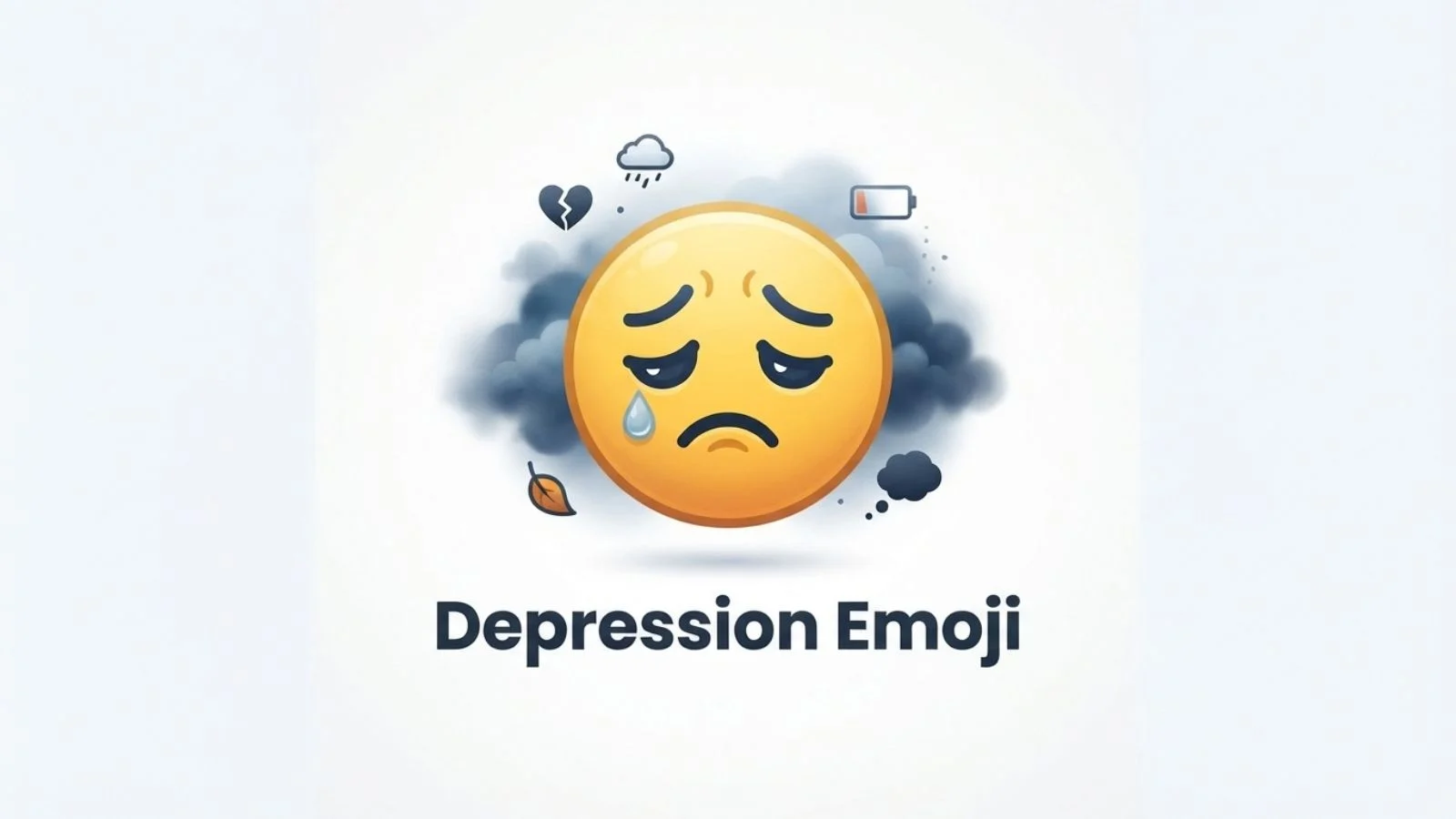
The Depression Emoji is not an official medical symbol but people often use sad and emotionally heavy emojis to communicate low moods, disappointment , loneliness or emotional exhaustion.
From WhatsApp emojis to Instagram captions and TikTok comments, context matters this guide explores common emoji meanings and shows how to use these expressions respectfully without treating an emoji as a diagnosis.
The right emotional emoji can say “I’m struggling” when words feel hard to find.
What do Depression Emoji Mean?
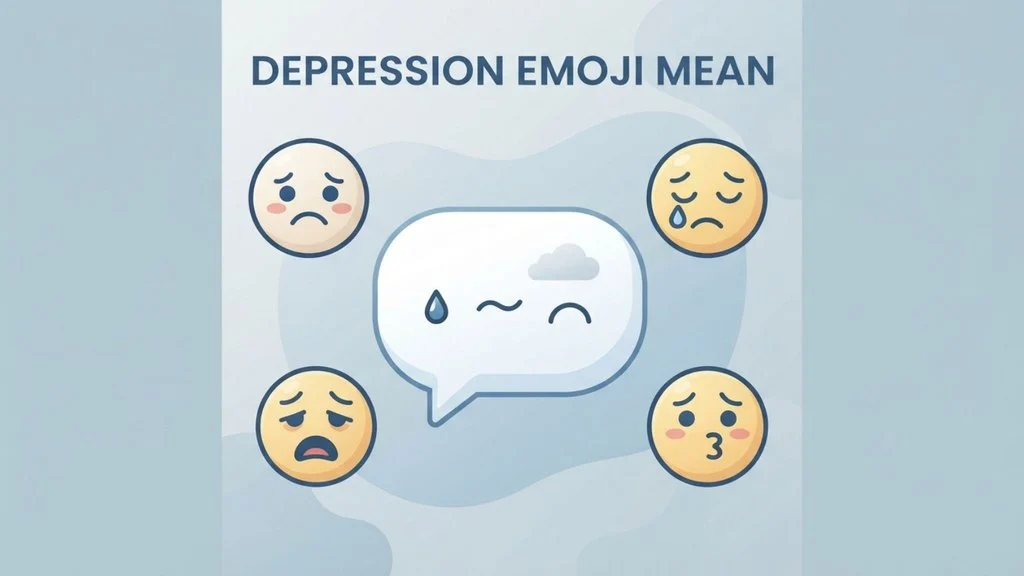
There is no single official Depression Emoji. Instead people commonly use a small family of sad and emotionally expressive symbols when talking about difficult feelings. Their interpretation depends heavily on the words surrounding them.
For example 😔 may accompany a quiet expression of sadness while 😢 can make the emotion more visible. 😞 can fit disappointment 😟 may show worry and 😩 can express emotional exhaustion. These symbols can communicate feelings but they cannot establish whether someone has clinical depression.
| Emoji | Core meaning | Misread as | Best used when |
| 😔 | Sadness or low mood | Anger | Quiet emotional messages |
| 😞 | Disappointment or sadness | Boredom | Difficult or disappointing moments |
| 😟 | Worry or concern | Confusion | Anxious or concerning situations |
| 😢 | Visible sadness | Mild disappointment | Emotional conversations |
| 😭 | Intense crying or emotion | Always serious distress | Strong emotional reactions |
| 😩 | Exhaustion or frustration | Simple tiredness | Overwhelming situations |
😔 Sad Pensive Face
Meaning: Quiet sadness, disappointment or a low emotional mood.
Example 1: Today has been difficult 😔
Example 2: I just need some time 😔
😞 Disappointed Face
Meaning: Sadness, disappointment or feeling let down.
Example 1: Things did not work out 😞
Example 2: I really hoped it would happen 😞
😟 Worried Face
Meaning: Concern, worry or uneasiness about a situation.
Example 1: I am worried about tomorrow 😟
Example 2: Something does not feel right 😟
😢 Crying Face
Meaning: Sadness expressed through visible tears.
Example 1: That message really hurt 😢
Example 2: I could not hold it in 😢
😭 Loudly Crying Face
Meaning: Very strong crying or an intense emotional reaction.
Example 1: This is so overwhelming 😭
Example 2: I cannot believe this happened 😭
😩 Weary Face
Meaning: Emotional or physical exhaustion, frustration or feeling overwhelmed.
Example 1: I am completely exhausted 😩
Example 2: This week has been so much 😩
😫 Tired Face
Meaning: Strong fatigue, frustration or feeling unable to cope with a situation.
Example 1: I need a break 😫
Example 2: I cannot deal with this today 😫
🥺 Pleading Face
Meaning: Vulnerability, emotional sensitivity or asking for comfort.
Example 1: Please stay for a while 🥺
Example 2: I could really use some support 🥺
💔 Broken Heart
Meaning: Emotions hurt heartbreak or deep disappointment.
Example 1: That conversation broke my heart 💔
Example 2: I am hurting right now 💔
🥀 Wilted Flower
Meaning: A visual expression of sadness, loss of emotional heaviness or fading hope.
Example 1: It has been a difficult day 🥀
Example 2: Some days just feel heavy 🥀
How to use Depression Emoji the Right Way
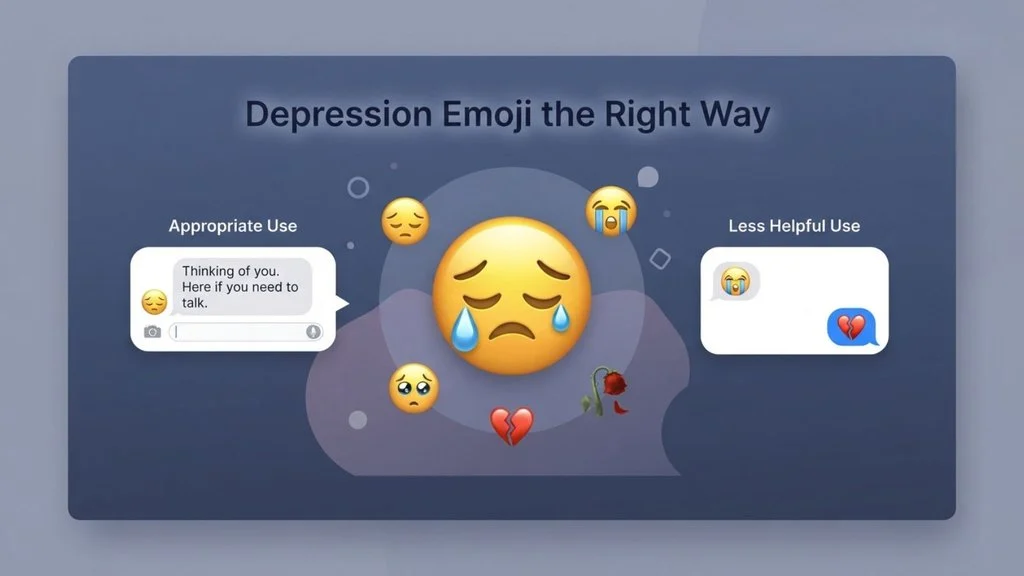
On WhatsApp these emojis can help communicate an emotional state when a person does not have the words to explain everything. A message such as “Today has been hard 😔” provides more context than sending a symbol by itself.
Instagram emojis are often used in captions, stories , comments and personal posts. Someone may choose a subdued symbol to match an emotional caption or reflective photograph but an emoji alone should not be treated as proof that someone has depression.
On TikTok emotional symbols can appear in serious posts as well as humor trends or irony. Because tone can change quickly on the platform, read the caption and surrounding conversation before assuming what someone means.
Do: Consider context, use emotional symbols honestly and check in with someone when their message suggests they may need support.
Don’t: Diagnose someone based on their emojis make light of another person’s distress or assume that a sad symbol automatically means clinical depression.
Best Depression Emoji Combos Copy & Paste
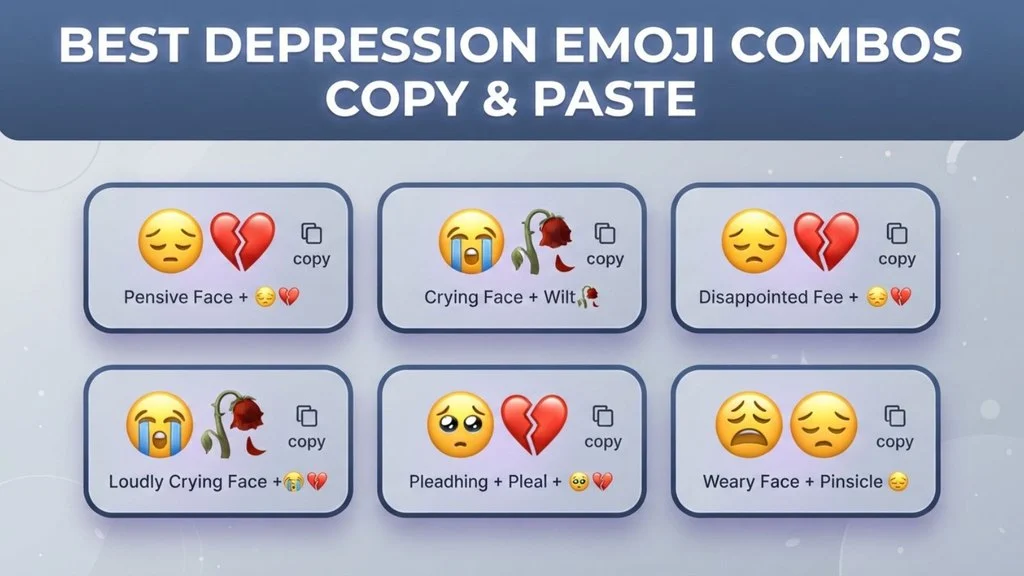
Romantic
- 👉 😔💔 A gentle combination for expressing emotional hurt.
- 👉 🥺💔 Fits a vulnerable message after a difficult relationship moment.
- 👉 😢🥀 A subdued combination for a sad romantic caption.
Cute
- 👉 🥺😔 Softens a vulnerable emotional message.
- 👉 😔🥺 Works when asking someone for comfort.
- 👉 😢🥺 Expresses sadness in a softer conversational style.
Flirty
- 👉 🥺💔 Can accompany a playful “you hurt my feelings” message.
- 👉 😔🥺 A light emotional reaction between people who know each other well.
- 👉 😩🥺 Adds exaggerated frustration to a playful conversation.
Missing Someone
- 👉 😔💔 A direct combination for a heartfelt missing-you message.
- 👉 😢🥀 Works with a reflective message about someone who is away.
- 👉 🥺😔 A gentle way to express that you want someone’s presence.
Good Night
- 👉 😔🥀 A quiet combination for a difficult evening.
- 👉 🥺😔 Works with a vulnerable good-night message.
- 👉 😢💔 Suitable for an emotional nighttime conversation.
Trending Depression Emoji in 2026
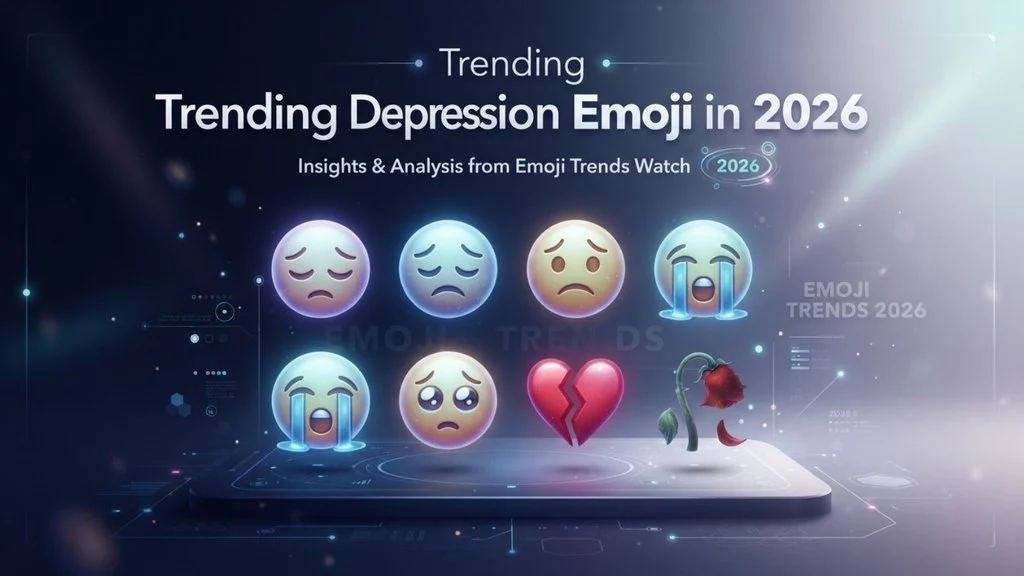
In 2026 emotional emoji use continues to overlap with personal storytelling, relatable posts, memes and short-form video culture. Sad-face symbols can communicate a mood quickly especially when paired with text that explains the situation.
😔 often appears in reflective or emotionally vulnerable posts while 😭 can be used for both genuine emotional expression and exaggerated internet reactions. 🥺 is frequently used when someone wants a message to feel more vulnerable or pleading.
💔 also works across relationship conversations and emotional captions. Its interpretation depends strongly on whether the surrounding post is serious, dramatic , humorous or romantic.
| Emoji | Why trending | Who uses it | Platform |
| 😔 | Fits reflective and relatable posts | Casual users creators | Instagram WhatsApp |
| 😭 | Works for intense or exaggerated reactions | Commenters creators | TikTok Instagram |
| 🥺 | Adds vulnerability to short messages | Casual users younger audiences | TikTok WhatsApp |
| 💔 | Common visual shorthand for emotional content | Creators commenters | Instagram TikTok |
Emoji language generally changes with online humor, personal expression and the evolving visual style of digital communication.
FAQs
1. What is the most popular Depression Emoji?
There is no official single emoji for depression. 😔 is commonly used to express sadness or a low mood but using it does not establish that someone has depression.
2. What does 😔 mean from a girl or boy?
😔 has no fixed gender-specific meaning. Anyone may use it to express sadness, disappointment , loneliness , reflection or a difficult moment.
3. Why do emojis look different on iPhone vs Android?
Apple Google Samsung and other platforms create their own artwork for Unicode emojis. Therefore the same symbol can have different facial details, colors and visual styling across devices.
4. Are Depression Emoji used differently in other countries?
Yes, emotional emoji habits can vary between countries, languages , cultures and online communities. The surrounding words are important when interpreting an emotional symbol.
Conclusion:
When feelings are difficult to explain, an appropriate emoji can make a personal message easier to start.
Use these symbols with context and care especially when conversations involve genuine emotional distress.
A thoughtful message alongside the right emoji can communicate more clearly and create space for understanding.