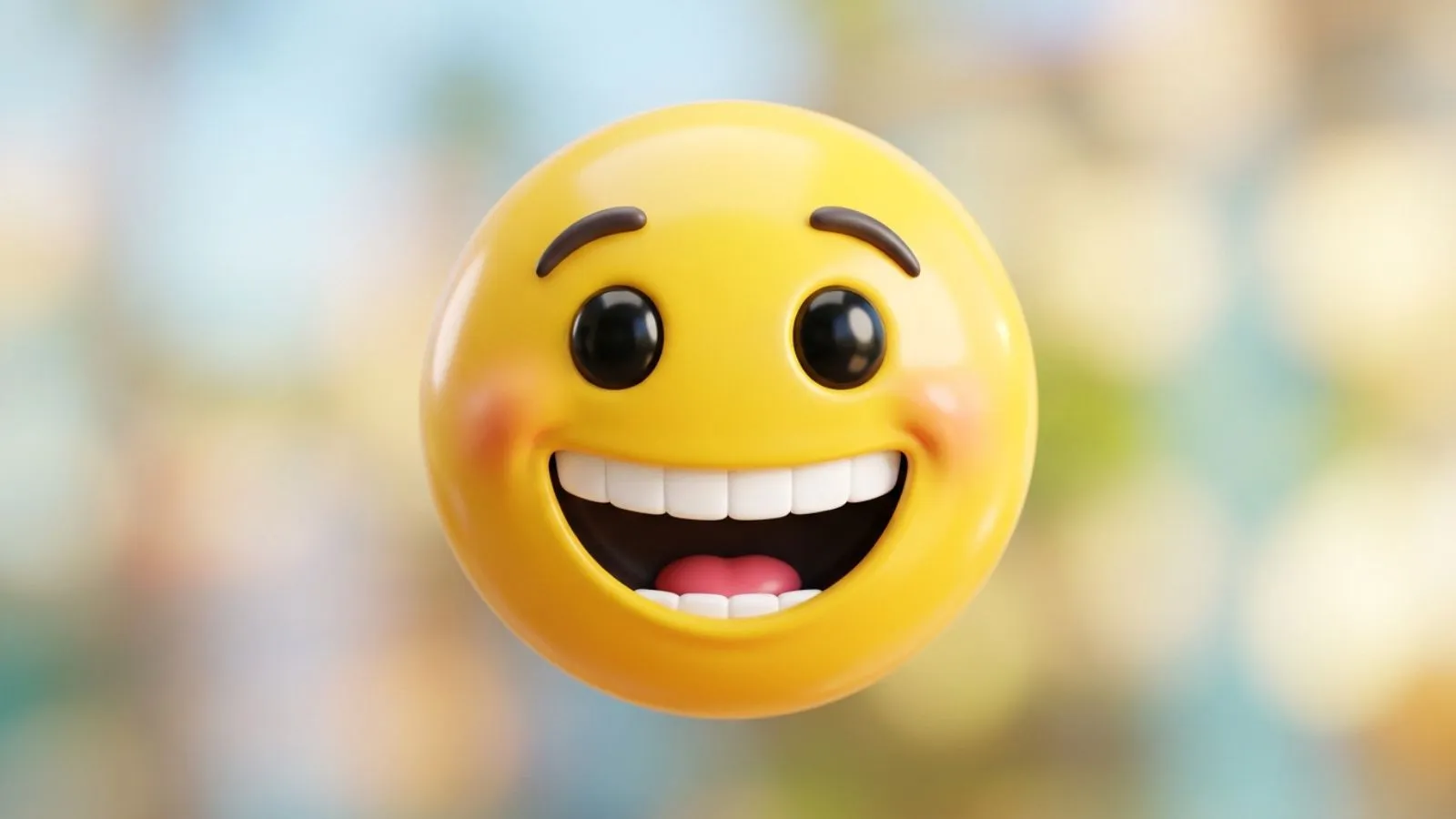
A simple smiling emoji can brighten a conversation, express kindness, or completely change the meaning of your message in seconds.
Have you ever sent a smiling emoji and wondered if the other person understood it the way you intended? It happens more often than you might think.
A single 😊 can express happiness, appreciation, politeness, or even quiet confidence depending on the conversation.
That’s why smiling emojis have become one of the most popular ways to add emotion to digital messages.
If you’re chatting with friends, replying to family, posting on Instagram, or creating captions for Ticktock, these tiny icons help your words feel warmer and more personal.
In today’s online world, people often communicate faster with emojis than with long sentences. Knowing the meaning behind each smiling emoji can help you avoid misunderstandings while making your messages more engaging.
This guide explains everything you need to know about Emoji Smiling, including meanings, copy-and-paste combinations, aesthetic ideas, common problems, and the latest emoji trends for 2026.
What does Emoji Smiling mean?
Smiling emojis represent positive emotions, friendliness, happiness, appreciation, kindness, and emotional warmth. However, not every smiling emoji has exactly the same meaning.
| Emoji | Meaning | Best Used For |
|---|---|---|
| 😊 | Genuine happiness | Friendly chats |
| 🙂 | Polite smile | Casual conversations |
| 😄 | Excitement and joy | Celebrations |
| 😁 | Big cheerful grin | Funny moments |
| 😃 | Happiness and enthusiasm | Greetings |
| 😇 | Innocent or thankful | Sweet messages |
| 🥰 | Love and affection | Romantic texts |
| 😌 | Peaceful satisfaction | Relaxed mood |
The meaning often depends on the conversation, relationship, and platform.
How to use Emoji Smiling emojis
Smiling emojis fit almost every type of conversation.
Examples:
- “Good morning! 😊”
- “You did an amazing job! 😄”
- “Thank you so much! 🥰”
- “Everything worked out perfectly 😌”
- “Can’t wait to see you! 😁”
Use them to:
- Show appreciation
- Make messages friendlier
- Celebrate achievements
- Express excitement
- Reduce the seriousness of a conversation
- Create a welcoming tone on social media
Best emoji combinations for copy paste
Ready-to-use smiling emoji combinations:
- 😊✨
- 😊🌸
- 😄🎉
- 🥰💖
- 😊💛
- 😁🙌
- 😊☀️
- 🌸😊🌼
- 💕😊✨
- 😄💫
- 😊🌈
- 😇🤍
- ☕😊
- 📚😊
- 🌻😊🌞
Perfect for Instagram captions, WhatsApp status, TikTok bios, Facebook posts, and text messages.
Aesthetic emoji ideas for social media
Want your profile or captions to stand out? Try these aesthetic combinations:
Soft aesthetic:
- 🤍😊🌿
- 🌸😊☁️
Cute aesthetic:
- 🧸😊🎀
- 🌼😊🍯
Minimal aesthetic:
- 😊✨
- 🤍🙂
Happy vibes:
- ☀️😊🌈
- 🌻😄💛
Positive energy:
- 💫😊✨
- 🌼🥰🌞
These combinations make captions feel more attractive without using too many emojis.
Common problems and solutions
Why does the smiling emoji look different?
Every device designs emojis differently. Apple, Android, Samsung, Microsoft, and social media apps each have their own artwork.
Why was my emoji misunderstood?
Some smiling emojis have subtle meanings.
🙂 often appears neutral.
😊 feels warm and genuine.
😁 looks more excited.
😇 can sound innocent or playful.
Choose the emoji that matches your tone.
Why can’t someone see my emoji?
Older devices may not support newly released emojis. Updating the operating system usually fixes this issue.
Trending emoji usage in 2026
In 2026, smiling emojis remain among the most-used emojis across Instagram, TikTok, Snapchat, WhatsApp, and Messenger.
Popular trends include:
- Minimal emoji captions using 😊✨
- Soft aesthetic posts with 🤍😊🌸
- Positive mental health content featuring 😊🌞
- Daily gratitude posts using 🥰🙏
- Lifestyle content with ☕😊📖
- Short captions ending with 😊 instead of punctuation
Creators increasingly use smiling emojis to make content feel authentic, welcoming, and relatable.
FAQs
What is the most popular smiling emoji?
😊 is widely considered the most popular because it expresses genuine happiness and friendliness.
Is 🙂 different from 😊?
Yes. 🙂 often feels neutral or politely friendly, while 😊 usually communicates warmth and sincere happiness.
Can smiling emojis be used professionally?
Yes. A simple 😊 can make emails and workplace chats feel friendlier, but avoid overusing emojis in formal communication.
Which smiling emoji is best for Instagram?
😊✨, 🥰💖, and 🌸😊 are excellent choices for captions, stories, and bios.
Why do smiling emojis look different on different phones?
Each platform designs its own emoji artwork, so the same emoji may appear slightly different while keeping the same meaning.
Conclusion
Smiling emojis have become a universal language that adds warmth, emotion, and personality to digital conversations.
Whether you’re expressing genuine happiness with 😊, celebrating exciting news using 😄, or sharing love through 🥰, the right smiling emoji can make every message feel more human.
They help reduce misunderstandings, create stronger emotional connections, and make social media posts more engaging. From simple copy-and-paste combinations to aesthetic Instagram captions and friendly WhatsApp chats, smiling emojis fit almost every situation.
As emoji trends continue evolving in 2026, users are choosing cleaner, more meaningful combinations that reflect positivity and authenticity.
Understanding the subtle differences between each smiling emoji ensures your messages match your intended tone and connect naturally with your audience.
Keep a few favorite smiling emojis ready, experiment with creative combinations, and let your personality shine through every conversation. Sometimes, a single smile says more than an entire sentence.