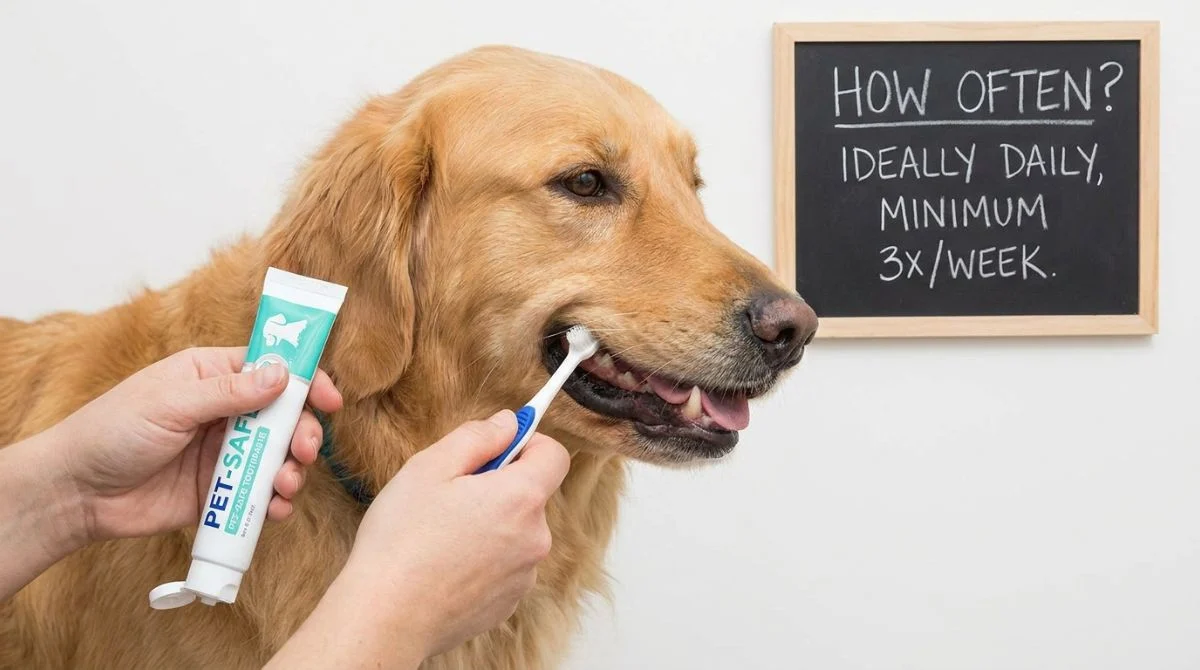
Your dog’s teeth need more attention than most owners realize. While a good chew toy or dental treat can help nothing replaces regular brushing when it comes to preventing plaque buildup gum disease and the bad breath that often signals a bigger problem.
But how often is “often enough”? The answer isn’t one-size-fits-all it depends on your dog’s breed, age , diet and overall dental history.
Veterinary dentists generally agree that daily brushing offers the best protection much like it does for humans.
Yet many owners fall short of this ideal leaving room for tartar to harden and gums to become inflamed.
Understanding the right frequency for your specific dog and recognizing the warning signs when you’re not brushing enough can mean the difference between a lifetime of healthy teeth and costly dental procedures down the road.
In this guide we’ll break down exactly how often you should brush what factors change that answer and how to build a routine that sticks.
Why Regular Brushing Matters
Plaque begins forming on your dog’s teeth within hours of eating and if left undisturbed it hardens into tartar in as little as 24 to 48 hours. Once tartar forms only a professional cleaning can remove it brushing alone won’t cut it anymore. This is why consistency matters so much: brushing frequently enough disrupts plaque before it has the chance to calcify.
Left unchecked plaque and tartar buildup lead to gingivitis, an inflammation of the gums that’s often the first visible sign of dental trouble. If gingivitis progresses untreated it can develop into periodontal disease which damages the structures supporting the teeth and can eventually cause tooth loss. But the consequences don’t stop at the mouth. Research has linked poor dental health in dogs to more serious systemic issues including heart disease kidney damage and liver problems. Bacteria from infected gums can enter the bloodstream and affect major organs over time.
There’s also a financial argument for regular brushing. A daily at-home routine costs little more than the price of a toothbrush and dog-safe toothpaste. Professional dental cleanings on the other hand typically require anesthesia and can cost several hundred dollars more if extractions or advanced treatment are needed. By comparison a few minutes of brushing each day is a small investment that can save your dog discomfort and save you money in the long run.
The Ideal Brushing Frequency
Veterinarians and veterinary dentists widely agree that daily brushing is the gold standard for canine dental care. Just as with human teeth brushing once a day gives you the best chance of removing soft plaque before it has time to harden into tartar. A daily routine also helps you catch potential problems early since you’ll notice changes in your dog’s mouth breath or behavior before they escalate.
That said, daily brushing isn’t always realistic for every owner or every dog. If you can’t commit to brushing every single day, aim for a minimum of two to three times per week. This frequency still meaningfully reduces plaque buildup compared to occasional or no brushing at all though it won’t be as effective as a daily habit.
Brushing less than twice a week or skipping it altogether significantly increases the risk of tartar accumulation, gum inflammation and eventual periodontal disease. Dogs who don’t receive regular brushing typically show visible tartar within weeks and the gap between at-home care and professional intervention widens quickly.
It’s worth noting that frequency alone isn’t the whole picture technique and consistency matter just as much. A quick ten-second brush every day is often more effective than a thorough five-minute session once a week since the goal is preventing plaque from settling in the first place rather than removing it after it’s already formed.
Factors That Affect How Often You Should Brush
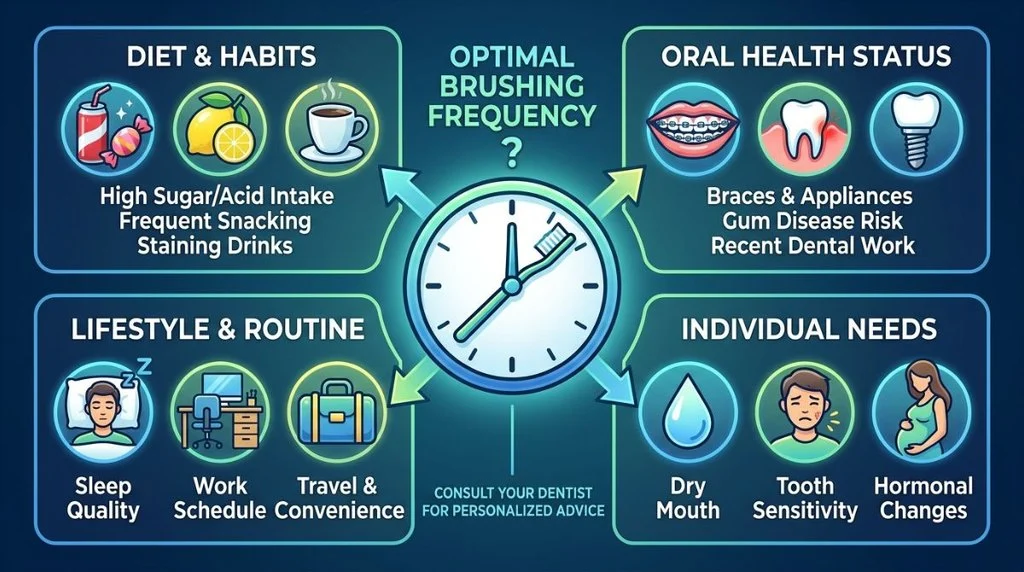
While daily brushing is the general recommendation several factors can shift how often your specific dog actually needs it.
Breed plays a significant role. Small and toy breeds like Yorkshire Terriers Chihuahuas and Dachshunds are genetically predisposed to overcrowded teeth and faster tartar buildup making frequent brushing especially important. Larger breeds tend to have more space between teeth which can slow plaque accumulation slightly though they’re not immune.
Age also matters. Puppies transitioning through teething may need a gentler less frequent introduction to brushing while adult dogs benefit most from a consistent daily routine. Senior dogs often need extra attention since years of wear and potential existing dental issues make them more vulnerable to rapid decline if brushing lapses.
Diet influences plaque formation as well. Dogs eating dry kibble typically experience slightly less buildup than those on wet or raw food diets which can cling to teeth more easily. However kibble alone isn’t a substitute for brushing.
Existing dental history is another key factor. Dogs with a past diagnosis of gingivitis or periodontal disease need stricter, more frequent brushing to prevent recurrence and may benefit from more frequent veterinary checkups.
Finally individual variation in saliva composition and tartar buildup rate means some dogs are simply more prone to plaque than others regardless of breed or diet. Watching your own dog’s mouth over time will help you fine-tune the ideal frequency for their specific needs.
Signs You’re Not Brushing Enough
Even with the best intentions it’s easy to fall behind on a brushing routine. Fortunately your dog’s mouth will usually show warning signs before the problem becomes serious.
Bad breath is often the earliest and most noticeable indicator. While dog breath is never minty fresh a distinctly foul or sour odor typically signals bacterial buildup from plaque and tartar rather than something normal.
Visible tartar is another telltale sign. Look for a yellow or brownish crust forming along the gumline especially on the back molars and canine teeth. Once tartar is visible it’s already hardened and won’t come off with brushing alone.
Red or swollen gums indicate gingivitis, the earliest stage of gum disease. Healthy gums should be pink and firm; redness puffiness or a slightly receded gumline all suggest inflammation caused by insufficient plaque removal.
Bleeding while eating, chewing on toys or during brushing itself is a more advanced warning sign. Occasional light bleeding can indicate irritated gums but frequent or heavy bleeding often points to more significant periodontal issues.
Loose teeth or difficulty eating are late-stage signs that shouldn’t be ignored. If your dog favors one side of their mouth, drops food while eating or shows visible tooth mobility the dental disease has likely progressed beyond what home care can fix and a vet visit is necessary.
How to Build a Brushing Routine
Establishing a consistent brushing habit is easier when you set your dog and yourself up for success from the start.
Choose a consistent time of day. Many owners find success brushing after an evening meal or right before bed when dogs tend to be calmer and more receptive. Sticking to the same time each day helps turn brushing into an expected part of your dog’s routine rather than a surprise.
Start slow, especially with puppies or resistant dogs. Begin by simply touching your dog’s mouth and lips for a few seconds daily, gradually introducing a finger or soft cloth before moving to an actual toothbrush. Rushing this process often leads to a lifetime of resistance.
Use proper technique. Lift the lip gently and brush in small circular motions at a 45-degree angle toward the gumline focusing on the outer surfaces of the teeth where plaque accumulates most. Most dogs won’t tolerate brushing the inner surfaces and that’s generally fine since saliva helps naturally clean those areas.
Choose the right tools. A dog-specific toothbrush either a long-handled brush or a finger brush, is designed to fit a dog’s mouth more comfortably than human alternatives. For small dogs or beginners finger brushes often provide more control.
Use dog-safe toothpaste only. Enzymatic dog toothpaste comes in dog-friendly flavors like poultry or beef and is formulated to be safely swallowed unlike human toothpaste which often contains xylitol or fluoride that’s toxic to dogs.
What to Do Between Brushings
Brushing is the foundation of good dental care but a few supplementary tools can help maintain your dog’s teeth on the days brushing doesn’t happen or reinforce your routine on the days it does.
Dental chews are formulated with a texture and shape designed to scrape away soft plaque as your dog chews. Look for products with the Veterinary Oral Health Council (VOHC) seal of acceptance which indicates they’ve been tested for effectiveness. Dental chews work best as a supplement to brushing not a replacement.
Water additives are liquid solutions added to your dog’s drinking water that help reduce bacteria and freshen breath. They’re a low-effort option for dogs who strongly resist brushing or chewing though their effectiveness is generally milder than direct brushing.
Dental diets are specially formulated kibbles with a larger kibble size and texture designed to scrape teeth as your dog chews along with ingredients that help reduce tartar mineralization. These can be a helpful option for dogs with a history of dental issues.
Dental toys such as textured rubber chews or rope toys provide a mechanical cleaning action during regular play. They also satisfy a dog’s natural chewing instinct while offering a mild dental benefit.
It’s important to remember that none of these alternatives fully replace brushing. They reduce plaque buildup and support oral health but only direct brushing physically removes plaque along the gumline where dental disease most often begins.
When to See a Vet for Professional Cleaning

Even with a diligent at-home routine, professional dental cleanings are an essential part of your dog’s overall care. Most veterinarians recommend a professional cleaning once a year for adult dogs though this can vary based on breed age and dental history. Small breeds prone to dental issues may need cleanings more frequently while dogs with excellent at-home care and naturally strong teeth may be able to go longer between visits.
Beyond the routine annual cleaning certain signs warrant an immediate vet visit rather than waiting for the next scheduled appointment. Persistent bad breath that doesn’t improve with brushing visible tartar buildup along the gumline red or bleeding gums and any reluctance to eat or chew are all reasons to schedule a checkup sooner. Loose teeth, visible pain or pawing at the mouth are more urgent signs that shouldn’t be delayed.
A professional cleaning typically involves general anesthesia which allows the vet to thoroughly clean below the gumline an area that can’t be reached through home brushing. During the procedure the vet will scale away tartar, polish the teeth, check for any hidden issues like fractured teeth or pockets of infection and take dental X-rays if needed. Any necessary extractions are usually performed during the same visit.
While professional cleanings involve more cost and preparation than at-home care, they address problems that brushing simply can’t reach, making them a necessary complement to your daily routine rather than an alternative to it.
Common Mistakes Dog Owners Make
Even well-intentioned owners often make avoidable mistakes that undermine their dog’s dental health.
Brushing too infrequently is the most common issue. Many owners start with enthusiasm but let the habit slide to once a week or less which isn’t enough to prevent plaque from hardening into tartar. Consistency matters more than perfection; a quick daily brush beats an occasional thorough one.
Using improper tools or products is another frequent mistake. Human toothpaste in particular poses a real danger since it often contains xylitol, a sweetener that’s toxic to dogs or fluoride which isn’t meant to be swallowed. Some owners also use human toothbrushes that are too large or stiff for a dog’s mouth, making the experience uncomfortable and discouraging cooperation.
Giving up after resistance is understandable but counterproductive. Many dogs initially resist brushing and owners often interpret this as a sign the dog simply won’t tolerate it. In reality gradual desensitization starting with just touching the mouth and slowly working up to a full brush usually resolves this resistance within a few weeks.
Ignoring early warning signs is perhaps the costliest mistake. Bad breath, mild redness or slight tartar buildup are often dismissed as normal when they’re actually early indicators that the current routine isn’t sufficient. Addressing these signs early by increasing brushing frequency or adjusting technique can prevent the need for more invasive and expensive interventions later on.
Conclusion
Brushing your dog’s teeth might seem like a small daily task but its impact on their long-term health is significant.
Daily brushing remains the gold standard offering the best protection against plaque buildup gum disease and the more serious health complications that can follow when dental care is neglected.
For owners who can’t commit to every single day brushing two to three times per week still provides meaningful protection compared to skipping it altogether.
The right frequency ultimately depends on your dog’s individual needs, their breed, age , diet and dental history all play a role in shaping the ideal routine.
Paying attention to warning signs like bad breath, visible tartar or bleeding gums will help you recognize when your current approach needs adjusting.
Building a sustainable routine doesn’t have to be complicated. Starting slowly using the right tools and dog-safe toothpaste and supplementing with dental chews or toys between brushings can make the process easier for both you and your dog.
And no matter how consistent your at-home care is, annual professional cleanings remain an important part of a complete dental care plan.