Every Sunday a familiar ritual plays out across living rooms, sports bars and tailgate lots: jerseys are pulled on wings are ordered and group chats light up with predictions trash talk and increasingly unhinged fantasy football takes.
Welcome to the world of the “football bro” , a cultural archetype that’s as much about camaraderie as it is about the game itself.
While the term can conjure images of loud tailgates and beer-fueled rivalries football bro culture runs deeper than the stereotype suggests. It’s built on nostalgia, tradition and a shared language of loyalty that spans generations.
From draft-day rituals to decades-old fantasy leagues with punishments for last place this culture has become one of the most enduring ways people bond over sports.
In this article we’ll break down what defines football bro culture, the traditions that keep it alive and how it’s evolving into something more inclusive than ever before.
Defining “Football Bros”: Origins & Meaning
The phrase “football bro” didn’t emerge from a dictionary, it grew organically out of internet culture, sports media and the shorthand people use to describe a very specific kind of fan. While there’s no official origin date the term gained traction alongside the rise of social media when memes and viral clips began poking fun at (and celebrating) the over-the-top enthusiasm of die-hard football fans.
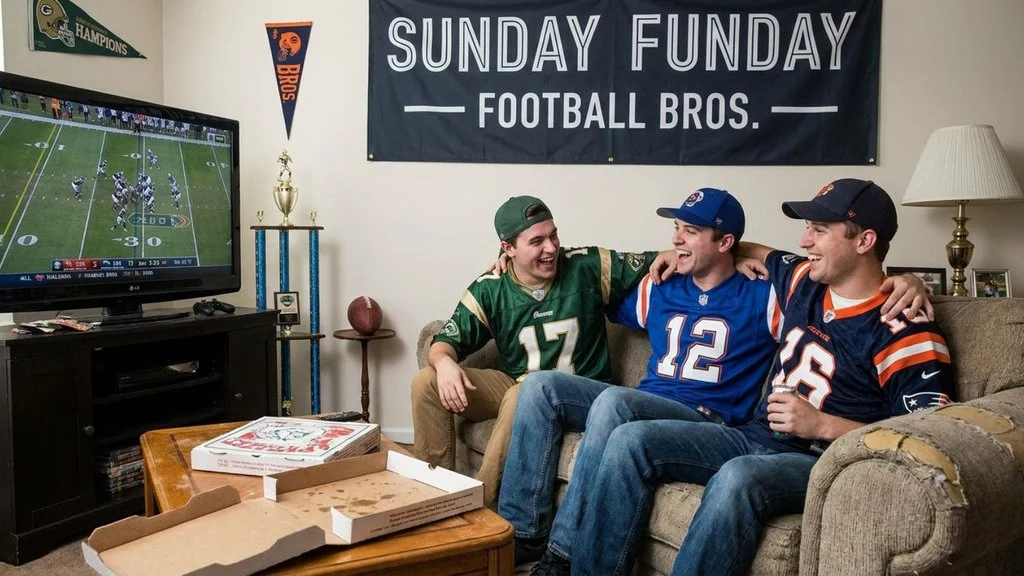
At its core a “football bro” is more than just someone who watches the game. It’s a fan whose identity is wrapped up in team loyalty, game-day rituals and the social rewards of being part of a fandom. What separates a football bro from a casual viewer is the intensity, the willingness to plan weekends around kickoff times, memorize stat lines and treat a fantasy football loss like a personal insult.
The culture also varies by region and setting. In college towns it often centers on campus-wide traditions and rivalry games. In NFL cities it’s tied to decades of generational fandom passed down through families. Interestingly this isn’t a uniquely American phenomenon; the UK’s “lad culture” around soccer shares many of the same traits: tribalism ritual and humor used as social glue.
Whether used affectionately among friends or mockingly to poke fun at over-invested fans the term captures something real: football has become one of the most powerful shared identities in modern social life.
Core Traits & Behaviors
While every football bro has their own quirks a few defining traits show up again and again habits and behaviors that turn casual fandom into something closer to a lifestyle.
Team loyalty sits at the center of it all. For many this isn’t a choice made in adulthood it’s inherited passed down from a parent or grandparent making the team as much a part of family identity as a last name. Switching allegiances is rarely an option; loyalty is treated as permanent for better or worse.
Then there’s the stat obsession. Football bros often know more about roster depth charts, injury reports and advanced metrics than casual fans could ever care to learn. This knowledge fuels endless debates and “armchair coaching” confidently second-guessing every play call from the couch.
Trash talk is practically a love language in this culture. Whether it’s needling a friend over a blown fantasy matchup or ribbing a rival fan after a loss the banter is constant and often affectionate underneath the bravado.
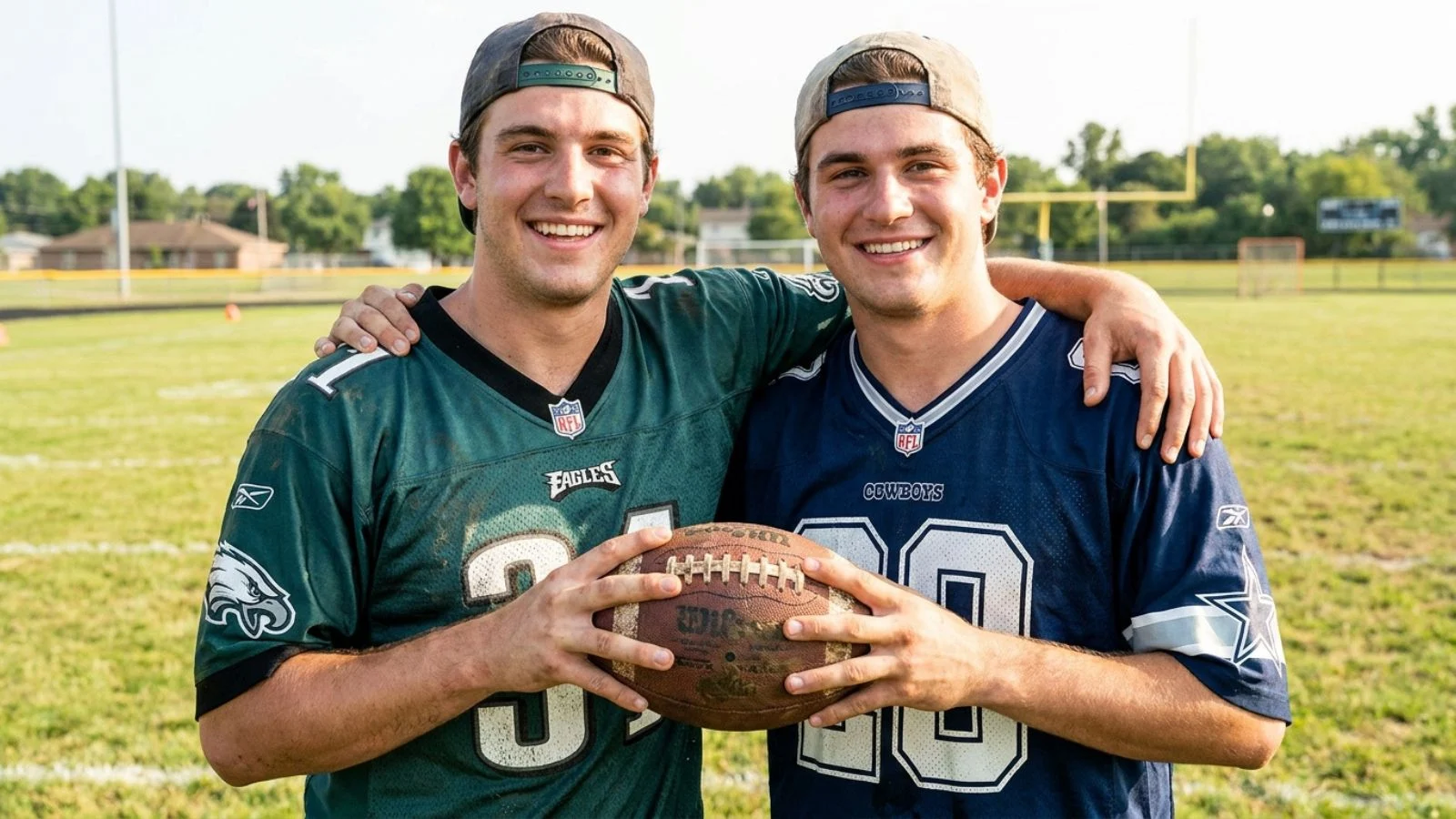
Merch and jersey culture also play a big role with fans proudly repping their team colors on game day sometimes even for away games or preseason matchups that barely matter.
Finally superstitions round out the picture: lucky seats, specific snacks, unwashed “rally” jerseys or refusing to change routines mid-winning-streak. These rituals may seem irrational but they reinforce a sense of control and add to the shared mythology that makes football fandom feel personal.
Game-Day Culture
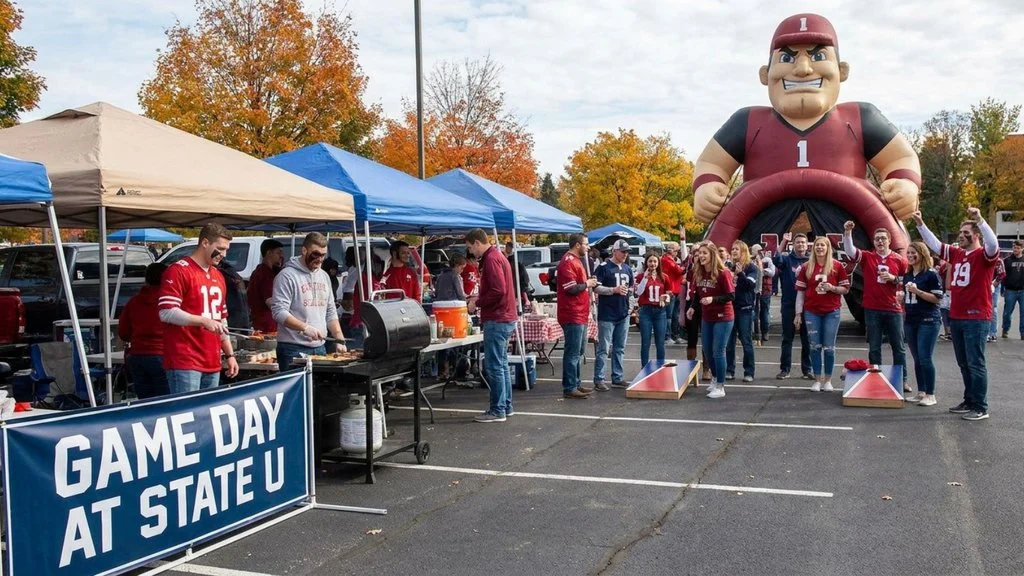
If there’s one thing that defines football bro culture more than anything else it’s the ritual of game day itself. The build-up often starts hours before kickoff and the experience is as much about the gathering as it is about the football.
Tailgating remains one of the most iconic traditions especially at the college and NFL level. Parking lots transform into makeshift block parties complete with grills, folding chairs and portable speakers. Games like cornhole and flip cup often fill the downtime turning the pregame into its own event.
For those not heading to the stadium home watch parties carry the same energy indoors. TVs are treated like altars, seating arrangements follow unspoken hierarchies (the best seat is earned not given) and snack tables are meticulously planned days in advance.
Sports bars serve as a middle ground, a communal space where strangers become temporary allies over a shared rooting interest. Many bars build entire identities around catering to this crowd offering team-specific specials, multiple screens and rowdy high-energy atmospheres.
For die-hard fans, away-game road trips take the culture to another level with groups traveling cross-country to watch their team play in hostile territory often as much for the adventure and bonding as for the game itself.
And no game day is complete without the right look: jerseys, face paint and lucky gear worn with a mix of pride and superstition reinforcing the idea that showing up right is part of the ritual.
Food & Drink Rituals
No football gathering is complete without a spread designed for maximum snacking efficiency and food has become just as ritualized as the game itself.
Wings are the undisputed centerpiece of most game-day tables ranging from classic buffalo to smoked dry-rubbed or loaded with regional twists. Alongside them nachos sliders and dips (queso spinach artichoke buffalo chicken) round out a spread built for grazing through four quarters of football.
Chili deserves its own mention as a slow-cooked staple that’s practically synonymous with fall and football season, often simmering all day before kickoff and reheated for weeks of leftovers.
Regional specialties add local flavor to the tradition. Buffalo New York lays claim to the original wing. Texas brings smoked brisket and barbecue spreads to the tailgate lot. The Midwest leans into hearty casseroles and dips built to feed a crowd through brutal winter games.
Beer culture is deeply tied to the experience with drinking games like flip cup or “conference call” (drink every time a specific stat or play happens) adding an extra layer of participation to watching.
And in nearly every friend group there’s the commissioner, the one person who always hosts the biggest TV and takes unofficial ownership of running both the watch party and the fantasy league logistics. Their house becomes the unofficial headquarters of the group’s football season and their hosting duties are as much a tradition as the game itself.
Fantasy Football: The Engine of Modern Football Bro Culture
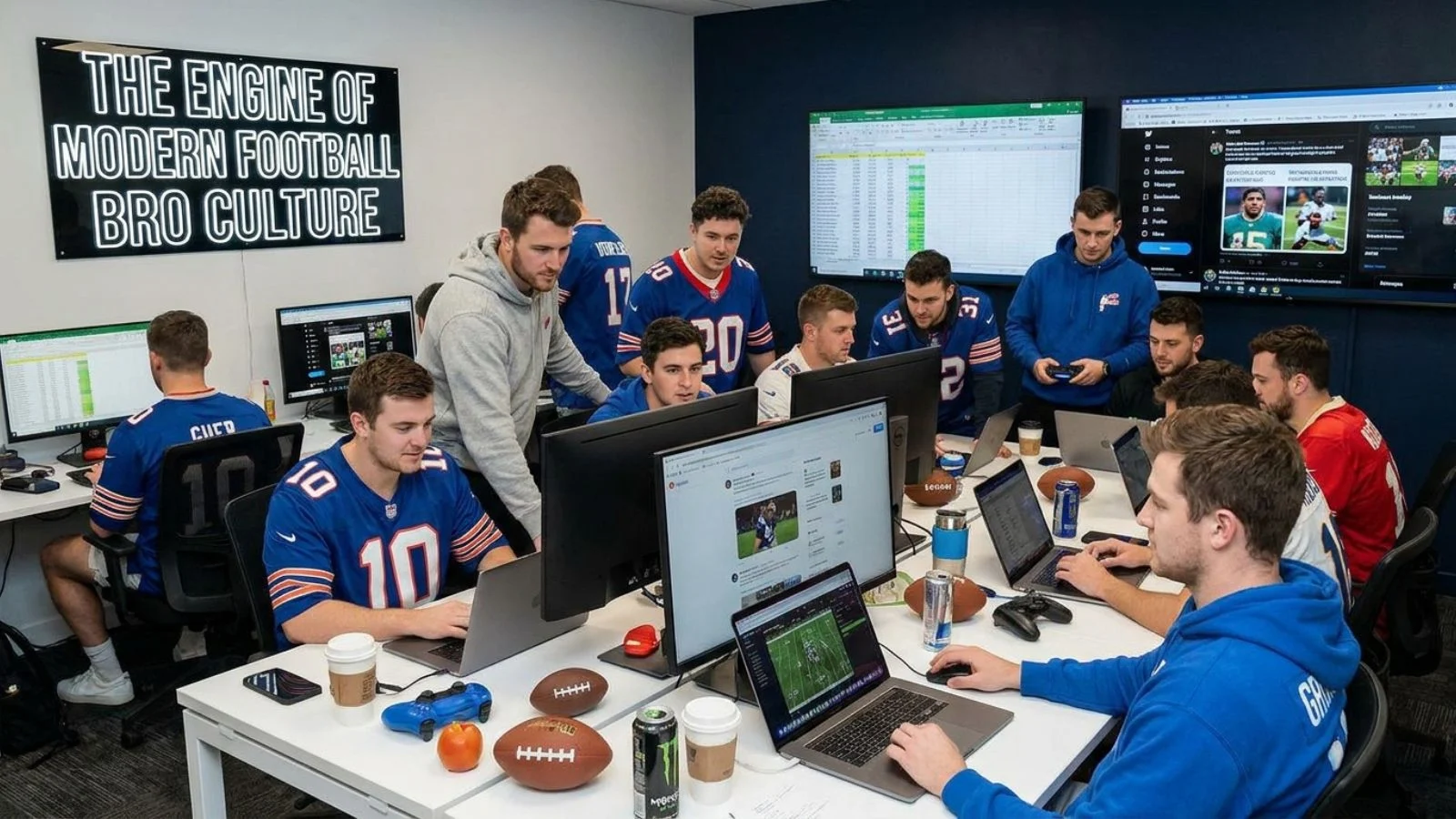
If tailgates and watch parties are the heartbeat of football bro culture fantasy football is its nervous system, the thing that keeps everyone engaged, invested and checking their phones even during games that don’t involve their favorite team.
Fantasy football has grown from a niche hobby among diehards into a mainstream obsession with millions of players drafting rosters each year and building entire social rituals around it. The draft itself has become an event often held in person complete with snacks, trash talk and sometimes elaborate scoring boards or draft-day themes.
Once the season starts group chats become the true engine of engagement. These threads are a mix of trash talk memes, screenshots of bad beats and side bets running nonstop from Sunday morning kickoffs through Monday night’s final whistle. For many friend groups the fantasy league group chat sees more daily activity than any other conversation they have.
League traditions add to the culture’s staying power. Punishments for last place from wearing embarrassing costumes to getting a humiliating tattoo have become almost as anticipated as the championship itself while trophies (often intentionally ugly or absurd) are proudly displayed as bragging rights.
Perhaps most importantly fantasy football gives people a reason to stay engaged with football year-round even if their own team is having a rough season. It transforms passive viewing into active investment and turns Sundays into a shared ongoing storyline among friends.
The Social & Psychological Bond
Beneath the trash talk and tailgates, football bro culture serves a deeper purpose: it gives people, especially men who often face fewer built-in avenues for emotional connection, a reliable low-pressure excuse to stay close.
Football provides structure for consistent bonding. Unlike vague plans to “catch up sometime” a standing Sunday watch party or weekly fantasy check-in creates a built-in reason to show up again and again without needing an emotional reason to justify it.
For many the connection to football is rooted in nostalgic memories of playing youth football watching Sunday games with a parent or bonding with siblings over a shared team. These early associations often carry into adulthood making football less about the sport itself and more about recreating a feeling of belonging.
Shared identity plays a major role too. Rooting for the same team creates an instant “us vs. them” mentality offering a sense of tribalism that’s rare in everyday adult life. This tribal loyalty simplifies social bonding; there’s an automatic connection with anyone wearing the same jersey.
Football also offers stress relief and escapism. For a few hours each week the outside world’s problems take a backseat to something lower-stakes and emotionally safe to care about deeply.
Ultimately football bro culture endures because it solves a very human problem: it gives people a reason to keep showing up for each other wrapped in a humorous ritual and a shared rooting interest that never really requires anyone to say “I miss hanging out.”
Football Bros in Media & Pop Culture
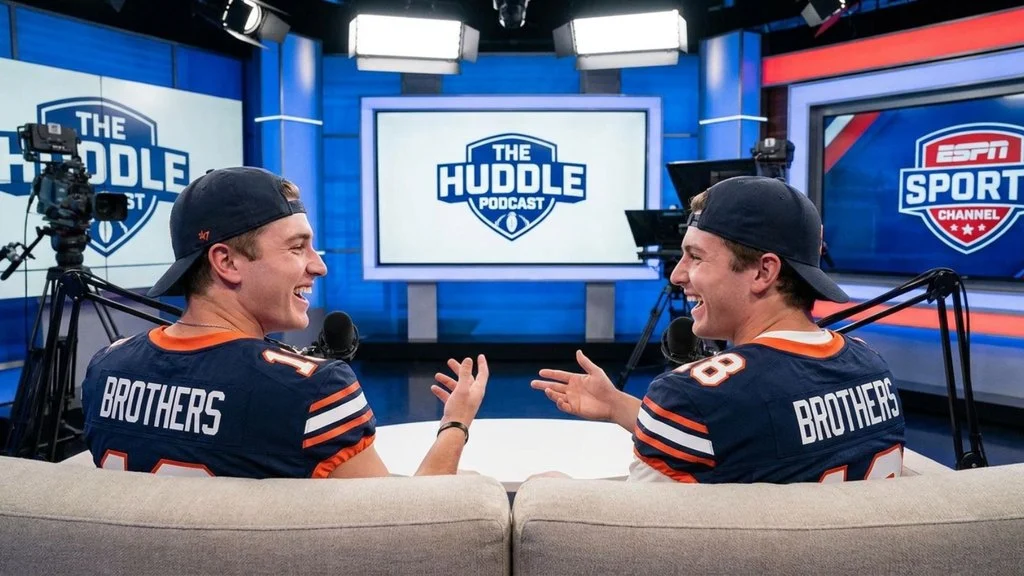
The football bro archetype hasn’t just thrived in real life, it’s been shaped and amplified by television, film and social media which have both mocked and celebrated the culture in equal measure.
Television played an early role in cementing the stereotype. Shows built around fantasy football friend groups leaned into the absurdity of league rivalries, side bets and petty grudges turning relatable fan behavior into comedic gold. Sitcoms and sports-focused series have long used the “obsessed fan” character as a reliable source of humor poking fun at the intensity fans bring to a game they have no control over.
Movies have similarly explored football fandom from underdog sports films that romanticize team loyalty to comedies that satirize tailgate culture and rivalry-driven friendships.
More recently social media has become the primary engine driving the archetype’s visibility. TikTok and Instagram are flooded with skits reenacting fantasy football draft-day drama “types of fans” content and relatable memes about group chat trash talk. These short-form videos have helped football bro humor reach audiences far beyond traditional football viewers.
Podcasts and YouTube channels dedicated to fantasy football advice game recaps and locker-room-style banter have also exploded in popularity creating an entire media ecosystem built around this culture. Many of these creators have turned football commentary into a personality-driven business blurring the line between analysis and entertainment.
The Business Side
Football bro culture isn’t just a social phenomenon it’s also a significant commercial engine and brands have taken notice of just how loyal (and lucrative) this audience can be.
Beer companies have long recognized football season as prime marketing territory with major campaigns timed around kickoff weekends and playoff runs. Commercials leaning into tailgate humor rivalry banter and game-day camaraderie have become a genre unto themselves especially during high-profile broadcasts.
Snack and food brands follow a similar playbook positioning wings chips and dips as game-day essentials through targeted advertising. Even truck and beer commercials have built entire identities around appealing to this demographic using humor and nostalgia to reinforce the connection between their product and football fandom.
Perhaps the most significant recent shift has been the rise of sports betting. What was once an informal side bet among friends has evolved into a multi-billion dollar industry with betting apps integrating directly into the football-watching experience. In-game odds prop bets and fantasy-adjacent betting features have become deeply woven into how many football bros now experience a game adding another layer of investment beyond just fandom.
The merchandising economy also thrives around this culture with jersey sales, throwback gear and team apparel representing a massive market. Limited releases and alternate jerseys are often marketed directly to the kind of fan who treats gameday dressing as a ritual turning loyalty into a steady stream of revenue for teams and leagues alike.
Evolving Stereotypes & Inclusivity
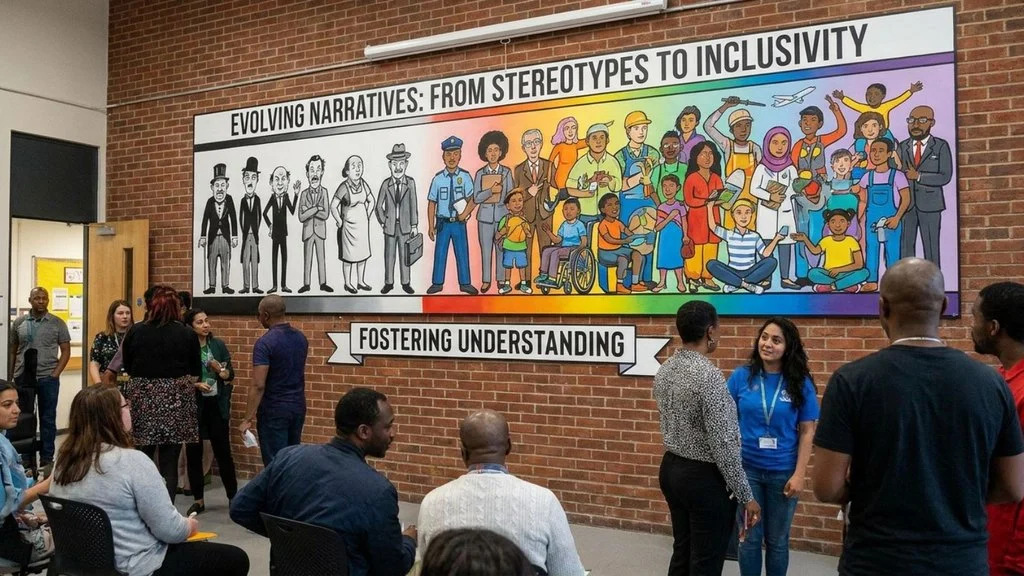
For a long time the “football bro” image was narrowly defined as loud male-dominated and often exclusionary by default. But football fandom today looks noticeably different from the stereotype that gave the culture its name.
Women’s participation in fantasy football and fan culture has grown significantly in recent years. Leagues once assumed to be male-only spaces now regularly include women as commissioners, top performers and some of the most competitive players in the group. Sports media and betting platforms have also begun marketing directly to female fans recognizing a demographic that was long overlooked.
At the same time there’s been growing pushback against the toxic elements sometimes associated with the stereotype of excessive aggression, exclusionary “boys’ club” attitudes and casual sexism dressed up as banter. Many fan communities have become more intentional about calling out behavior that crosses from playful rivalry into genuine hostility.
As a result football fandom spaces today tend to be more diverse and inclusive than the archetype suggests with fan groups online communities and even fantasy leagues actively welcoming people regardless of gender background or experience level with the sport.
This evolution doesn’t mean the humor around the “football bro” stereotype has disappeared but there’s a growing awareness of the line between jokes that celebrate the culture and jokes that reinforce exclusion. The best of football fandom today embraces the tradition and camaraderie the term represents while shedding the parts that made it feel unwelcoming to anyone outside a narrow mold.
Regional & International Comparisons
While “football bro” culture is often associated with American fandom similar dynamics show up in sports communities around the world each with their own regional flavor.
American football vs. soccer “lad” culture offers the clearest comparison. In the UK and much of Europe soccer fandom carries many of the same traits found in American football bro culture: tribal loyalty, elaborate chants, pub-centered watch traditions and a strong sense of identity tied to a club. The intensity of rivalries and the humor built around them mirrors the trash talk and banter common in American fantasy leagues and group chats.
Within the U.S. itself college football culture differs meaningfully from NFL culture. College fandom tends to be tied to campus tradition, alumni pride and multi-generational school loyalty often carrying an almost tribal homecoming-like energy. NFL fandom by contrast is frequently rooted in hometown identity and family lineage with loyalty passed down rather than chosen through attendance.
Globally the way fandom is expressed varies widely. Some cultures emphasize collective stadium-driven rituals, synchronized chants, flags and organized supporter groups while American football fandom leans more toward small-group at-home rituals like watch parties and fantasy leagues.
Despite these differences the underlying appeal remains strikingly similar everywhere: sports fandom offers structure identity and a built-in reason for people to gather bonds and belong to something bigger than themselves.
Conclusion
At its heart “football bro” culture is about far more than tailgates trash talk or fantasy football trophies though those elements certainly help define it.
It’s a modern expression of something deeply human: the need for consistent connection, shared identity and a reason to keep showing up for the people in our lives.
From the rituals of game day to the year-round engagement fantasy football provides, this culture has built an entire ecosystem around turning a game into a genuine social lifeline.
The food, the superstitions, the group chats and even the friendly rivalries all serve the same underlying purpose giving people a low-pressure built-in excuse to stay close.
And while the stereotype has evolved becoming more inclusive, more diverse and more self-aware about where humor crosses into exclusion the core appeal hasn’t changed.
Football fandom still offers what it always has: structure, nostalgia , tribalism and belonging wrapped in an experience that’s equal parts tradition and entertainment.