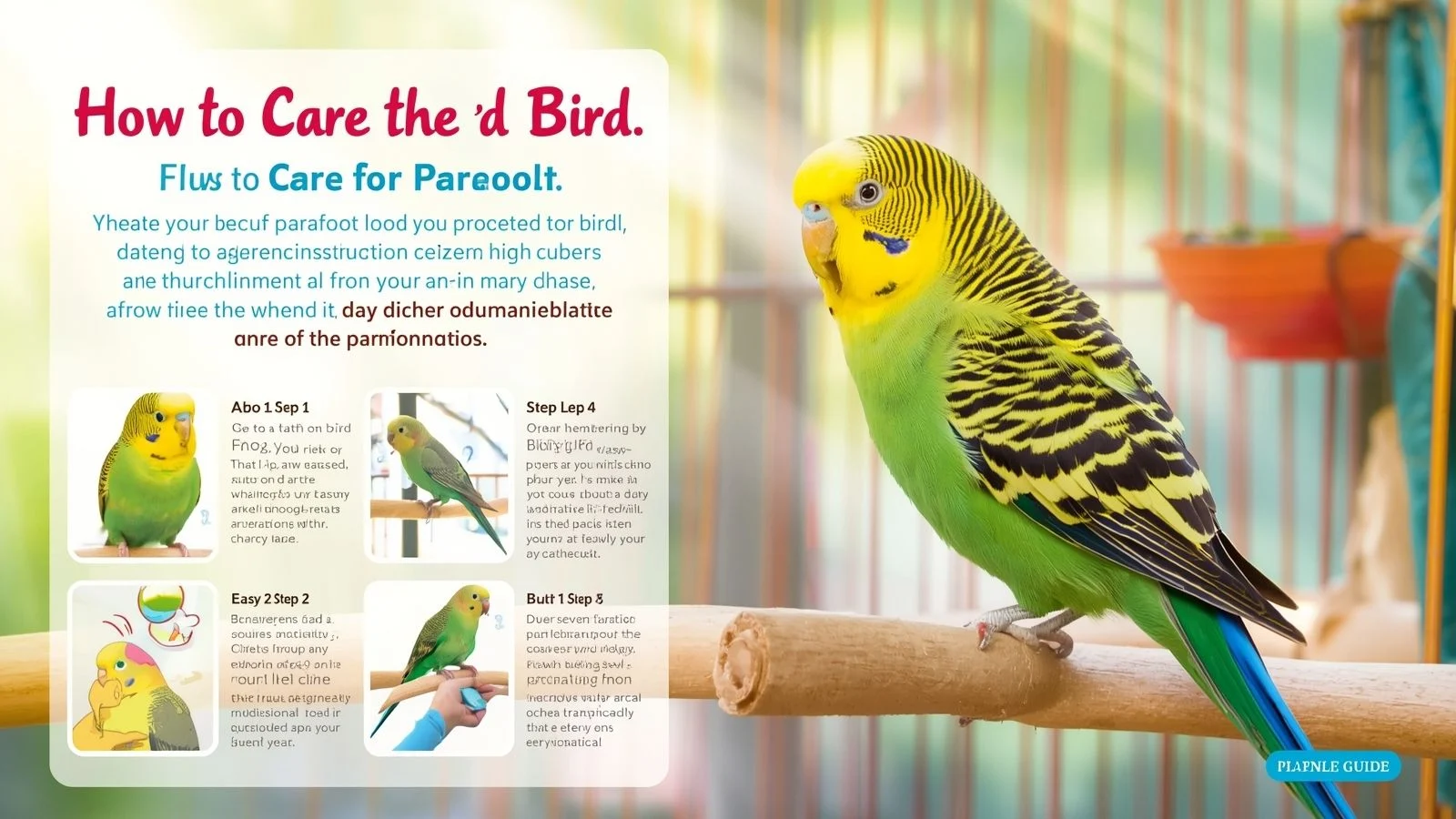
Birds are among the most rewarding and misunderstood pets you can bring into your home.
Unlike cats or dogs they thrive on routine social interaction and mental stimulation making their care both an art and a science.
If you’re drawn to the playful chatter of a budgie, the affectionate nature of a cockatiel or the striking intelligence of a larger parrot every bird owner faces the same core responsibility: understanding what a bird truly needs to live a long healthy and happy life.
Proper bird care goes far beyond food and water. It involves the right housing, a balanced diet, regular grooming, physical exercise and perhaps most importantly genuine social connection since birds are flock animals by nature. Neglecting any of these areas can lead to stress, illness or behavioral problems.
Choosing the Right Bird for Your Lifestyle
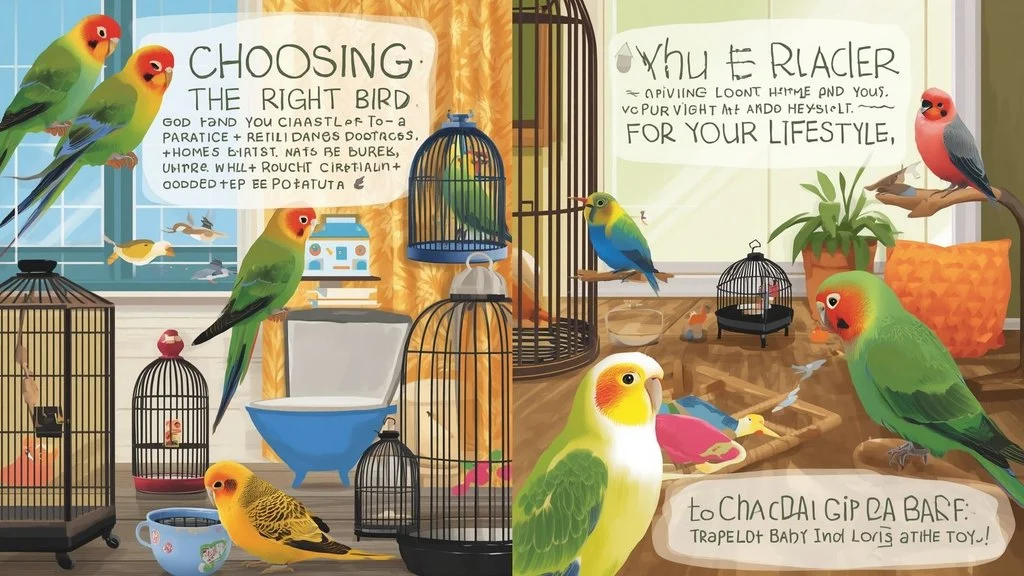
Before bringing a bird home it’s essential to match the species to your lifestyle experience level and living situation. Birds vary enormously in size, temperament , noise level and lifespan so this decision shapes years, sometimes decades of companionship.
Budgerigars (budgies) and cockatiels are popular starting points for beginners. They’re relatively quiet, affectionate and easier to handle with lifespans of 7–20 years depending on care quality. Canaries and finches are excellent choices for those who enjoy birdsong and visual beauty but prefer minimal handling as they’re generally not keen on physical interaction.
For those ready for a bigger commitment larger parrots including African greys, macaws and cockatoos offer remarkable intelligence and strong bonding potential but they also come with loud vocalizations demanding social needs and lifespans that can exceed 50 years meaning they may outlive their owners.
Noise tolerance is a major factor often overlooked. Cockatoos and conures for example can be extremely loud making them unsuitable for apartment living or noise-sensitive households. Space matters too; larger birds need larger cages and dedicated out-of-cage flight time daily.
Time commitment is equally critical. Highly social species require daily interaction; without it they can develop stress-related behaviors like feather plucking or aggression. Before choosing a bird, honestly assess your schedule, living space and long-term commitment level. This upfront thought prevents future heartbreak for both you and your bird.
Housing and Cage Setup
A bird’s cage is its primary living space so getting the setup right is one of the most important care decisions you’ll make. As a general rule bigger is always better. Birds need room to stretch their wings, climb and move freely even if they get daily out-of-cage time.
Cage size should be matched to the species: small birds like budgies need at least 18x18x18 inches while larger parrots may require cages several feet wide. Horizontal space matters more than height for most species since birds fly side-to-side rather than up and down.
Bar spacing is a critical safety factor; bars too far apart can allow a bird to squeeze its head through and get stuck or escape while bars too close together aren’t necessary and only add cost. Check species-specific recommendations before buying.
Inside the cage include multiple perches of varying diameters and materials (natural wood branches are ideal) to promote healthy foot muscles and prevent pressure sores. Avoid placing all perches at the same height and never overcrowd the cage with too many accessories.
Placement within your home matters just as much as the cage itself. Keep it away from direct sunlight, cold drafts and kitchen fumes (nonstick cookware aerosols and candles can be toxic to birds). A stable moderate-temperature spot with some natural light and household activity nearby helps birds feel secure and included.
Diet and Nutrition
A bird’s diet is one of the biggest factors in its long-term health yet it’s also one of the most commonly mismanaged aspects of care. For decades seed-only diets were the norm but avian veterinarians now widely recommend pellets as the nutritional base since seeds alone are high in fat and lack essential vitamins and minerals. A quality pellet diet should make up 60–70% of daily intake for most species.
Fresh fruits and vegetables should supplement pellets daily offering variety and enrichment. Safe options include leafy greens carrots broccoli apples (seeds removed) berries and squash. Introduce new foods gradually and remove uneaten fresh food within a few hours to prevent spoilage.
Equally important is knowing what to avoid. Avocado chocolate caffeine onion garlic and alcohol are toxic to birds and can cause serious illness or death even in small amounts. Salty sugary or processed human foods should also be avoided entirely.
Calcium and mineral supplementation supports bone health and in female birds healthy egg-laying. Cuttlebone and mineral blocks are simple safe ways to provide this and double as a natural beak-conditioning tool.
If you’re transitioning a seed-dependent bird to pellets patience is key; many birds resist dietary changes. Gradual mixing offering pellets when the bird is hungriest and consulting an avian vet for guidance can ease the process.
Water and Hydration
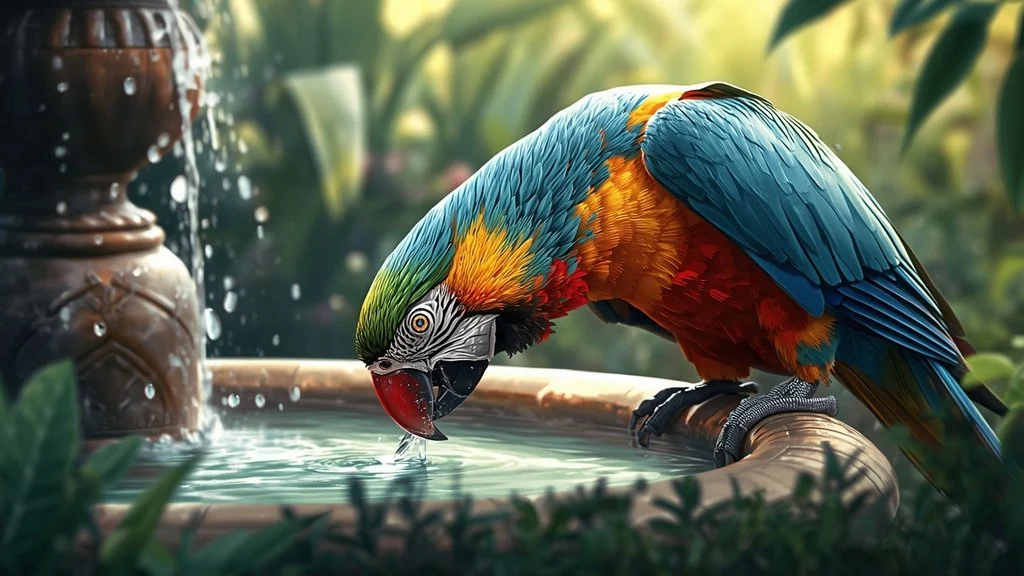
Fresh clean water is a non-negotiable daily requirement for every pet bird yet it’s often overlooked in favor of more visible care tasks like feeding and cage cleaning. Birds should have access to clean water at all times, changed at least once daily twice in warmer climates or if the bird tends to dip food or droppings into the bowl.
The debate between water bowls and water bottles is ongoing among bird owners. Bowls allow birds to bathe and drink naturally and are easy to clean but they’re also more prone to contamination from droppings feathers or food debris. Bottles keep water cleaner for longer but require birds to learn how to use the sipper mechanism which isn’t always instinctive especially for young or newly adopted birds. Many owners offer both options especially during a transition period.
Regardless of which method you choose, bowls and bottles should be washed daily with mild soap and rinsed thoroughly to prevent bacterial or fungal growth which can develop quickly in warm humid environments.
Watch for signs of dehydration which can include lethargy sunken eyes, dry or flaky skin around the beak and feet and reduced droppings. Dehydration can escalate quickly in small birds so any suspected case should prompt an immediate vet visit.
Because birds have fast metabolisms and small body sizes even short periods without water can become dangerous. Consistent hydration paired with a clean delivery system is a simple but essential pillar of daily bird care.
Cage Cleaning and Hygiene
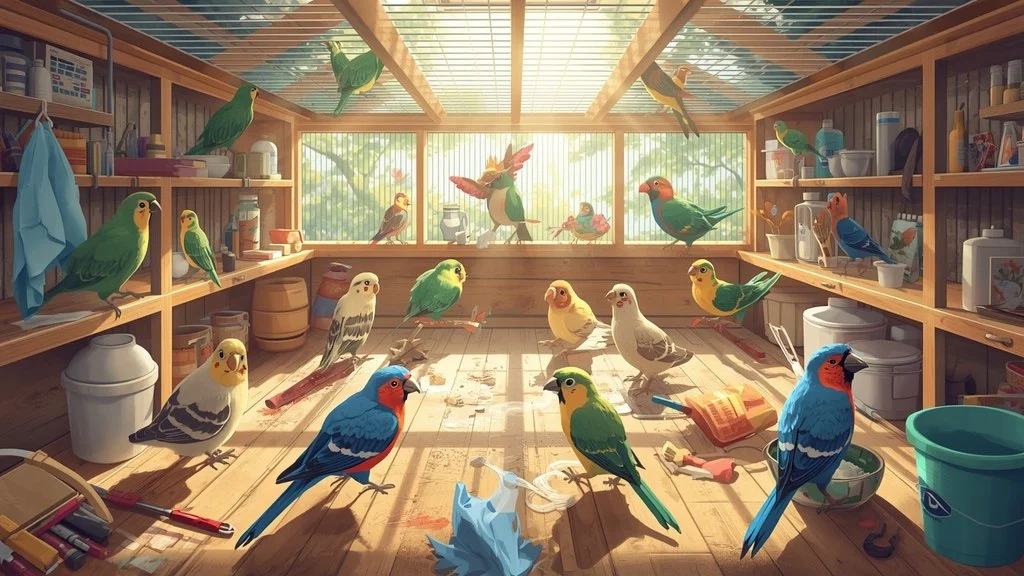
A clean cage is essential not just for appearance but for preventing the bacterial fungal and parasitic buildup that can seriously harm a bird’s respiratory system and overall health. Because birds are highly sensitive to airborne toxins and pathogens hygiene routines should be consistent and thorough.
Daily tasks should include replacing cage liners, washing food and water dishes and removing droppings, uneaten food and feather debris from the cage floor and perches. This prevents mold growth and discourages pests like mites or ants.
Weekly cleaning should go deeper, wiping down bars, perches and toys with a bird-safe disinfectant and checking for any buildup in hard-to-reach corners. Perches in particular can accumulate grime that affects foot health over time.
Monthly a full deep clean is recommended: removing all cage accessories for a thorough scrub, inspecting the cage structure for rust or damage and replacing any worn or splintering perches and toys.
When choosing cleaning products safety is critical. Many household cleaners contain fumes that are toxic to birds’ sensitive respiratory systems. Stick to bird-safe fragrance-free disinfectants or simple solutions like diluted vinegar and always ensure the cage is fully dry and ventilated before returning the bird.
Neglecting hygiene can lead to respiratory infections, fungal diseases like aspergillosis and skin or feather problems. A consistent cleaning schedule daily upkeep paired with deeper weekly and monthly cleans keeps your bird’s environment safe and significantly reduces the risk of preventable illness.
Bathing and Grooming
Regular bathing and grooming keep a bird’s feathers, skin , nails and beak in healthy condition while also strengthening the bond between bird and owner when done gently and consistently.
Most birds enjoy some form of bathing which helps remove dust, loosens dry skin and keeps feathers in good condition for flight and insulation. Methods vary by preference: misting with a fine spray bottle offering a shallow dish of lukewarm water or using a shower perch for birds comfortable with running water. Bathing frequency depends on species but 2–3 times per week is a common guideline. Always allow the bird to dry in a warm draft-free area afterward.
Nail trimming prevents overgrown nails from catching on cage bars or curling painfully into the footpad. Trimming frequency depends on the bird’s activity level and perch materials but every 4–6 weeks is typical. Use specialized bird nail clippers trim small amounts at a time and keep styptic powder on hand in case of accidental bleeding.
Wing clipping remains a controversial topic among bird owners and avian professionals. Some clip wings to prevent escape or injury from flying into windows while others argue it restricts natural behavior and can cause stress or muscle atrophy. This decision should be made in consultation with an avian vet based on the individual bird’s environment and needs.
Beak health should also be monitored: a properly worn beak stays a manageable length through chewing and foraging while an overgrown or misaligned beak may signal an underlying health issue requiring veterinary attention.
Physical Exercise
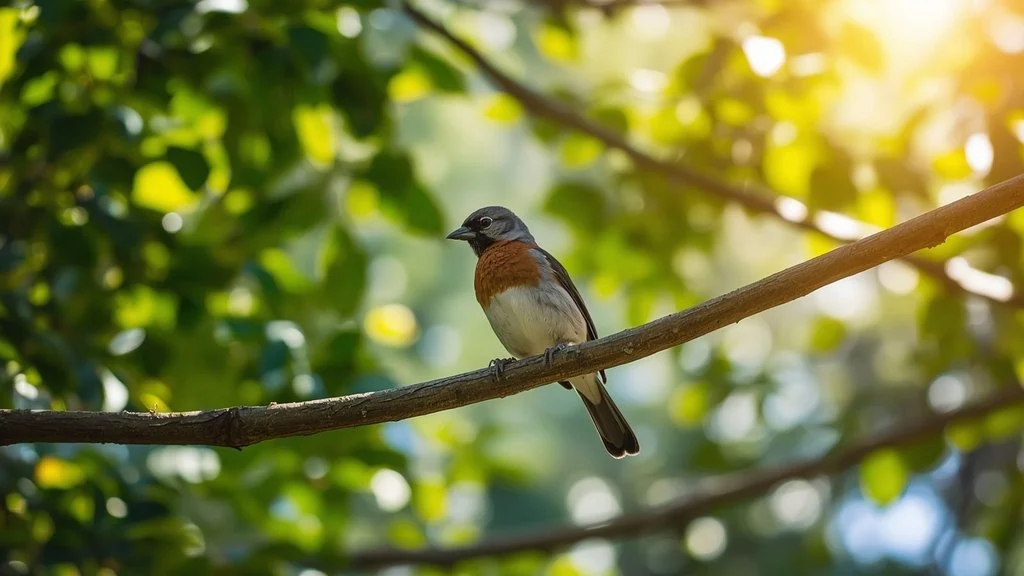
Regular physical activity is essential for a bird’s cardiovascular health, muscle tone and mental well-being. In the wild birds spend much of their day flying, foraging and navigating their environment activities that a cage alone simply cannot replicate.
Flight time is one of the most valuable forms of exercise for birds capable of it. Even birds with clipped wings benefit from supervised time outside the cage to climb, flap and explore. For fully flighted birds, daily out-of-cage flight sessions in a safe enclosed space help maintain healthy muscle development and prevent obesity, a common issue in birds with limited activity.
Before allowing out-of-cage time the room must be thoroughly bird-proofed. This means covering or closing windows and mirrors (birds often fly into reflective or transparent surfaces) removing toxic plants, turning off ceiling fans securing other pets and eliminating small gaps or openings a bird could get trapped in. Nonstick cookware should never be in use nearby as overheated coatings release fumes that are fatal to birds.
Toys that encourage movement such as swings, ladders , ropes and foraging puzzles help simulate natural activity even within the cage. Rotating these regularly keeps birds physically engaged rather than sedentary.
Lack of exercise can contribute to obesity weakened muscles and behavioral issues stemming from pent-up energy. Just as importantly physical activity supports mental health reducing stress and boredom-related behaviors like feather plucking or excessive screaming.
Mental Stimulation and Enrichment
Birds are highly intelligent creatures and many species require as much mental stimulation as physical exercise to stay healthy and content. Without adequate enrichment birds can quickly become bored leading to stress-related behaviors that are difficult to reverse once established.
Toy rotation is one of the simplest and most effective enrichment strategies. Introducing new toys or simply rearranging existing ones every week or two keeps a bird’s environment novel and engaging. A good toy selection includes a mix of textures and challenges: chewable wood toys foraging puzzle bells and shreddable materials that mimic natural destructive behaviors birds display in the wild.
Foraging toys and puzzle feeders are particularly valuable because they tap into a bird’s instinctual need to work for food. Hiding treats or portions of daily meals inside puzzle toys encourages problem-solving and extends feeding time closely mimicking natural foraging behavior.
Training sessions also offer excellent mental engagement. Teaching simple tricks stepping onto a hand targeting or basic commands using positive reinforcement builds trust while exercising a bird’s cognitive abilities. Even short consistent training sessions a few times a week can make a noticeable difference in behavior and bonding.
Owners should watch closely for signs of boredom or chronic stress including feather plucking, repetitive pacing, excessive vocalization or self-mutilation. These behaviors often signal unmet enrichment or social needs and should prompt a reassessment of the bird’s daily routine potentially with guidance from an avian behaviorist or vet.
Social Needs and Bonding

Most pet birds are inherently social creatures descended from species that live in flocks in the wild. This flock mentality means birds often view their human caregivers as part of their social group making regular interaction not just enjoyable but psychologically necessary for their well-being.
Daily bonding time is one of the most important and often underestimated aspects of bird care. Even 30 minutes to an hour of dedicated interaction talking, offering treats or simply sitting near the cage helps build trust and prevents the loneliness that can lead to depression-like symptoms in birds including lethargy and feather plucking.
Building trust with a bird takes patience particularly with rescued or previously mishandled birds. Moving slowly using calm consistent body language and letting the bird approach on its own terms lays the foundation for a secure relationship. Offering favorite treats during interactions helps create positive associations.
The decision between keeping a single bird or a pair/group depends on the species and the owner’s availability. Highly social species like cockatiels or parrots may thrive with a companion bird if the owner can’t provide extensive daily attention though this doesn’t replace human interaction entirely. Solitary species by contrast may prefer minimal handling altogether.
For newly acquired birds taming and handling should start gradually beginning with quiet presence near the cage progressing to hand-feeding and eventually step-up training. Rushing this process can cause fear or aggression while a patient approach builds a lasting trusting bond.
Sleep and Rest
Proper sleep is critical to a bird’s physical health, immune function and behavior yet it’s an area many new owners underestimate. Most pet birds require significantly more sleep than humans typically 10 to 12 hours of uninterrupted rest per night with some species needing even more.
Insufficient sleep can lead to noticeable behavioral changes including irritability, aggression , feather plucking and a weakened immune system that leaves birds more vulnerable to illness. Because many households are active well into the evening establishing a consistent sleep routine requires intentional effort.
Covering the cage at night is a common and effective practice as it blocks out light and reduces visual stimulation signaling to the bird that it’s time to rest. A breathable opaque cover works best allowing airflow while creating a den-like sense of security. Some birds also benefit from being moved to a separate quieter room at night away from television noise, foot traffic and household lighting.
Creating a dark quiet sleep environment is especially important in homes with irregular schedules. Sudden noises or light exposure during a bird’s rest period can cause night frights, a startled thrashing reaction that can result in injury. A dim night-light near the cage can help reduce the severity of these episodes without fully disrupting sleep.
Consistency is key: keeping a regular sleep schedule even on weekends helps regulate a bird’s internal clock and supports overall health, mood stability and resistance to stress-related behavioral issues.
Health Care and Illness Prevention
Birds are prey animals by instinct which means they’re biologically wired to hide signs of illness until a condition becomes severe. This makes proactive health monitoring essential since subtle changes are often the only early warning signs owners get.
Common indicators of illness include fluffed-up feathers held for extended periods of lethargy , decreased appetite changes in droppings, labored breathing discharge from the eyes or nostrils and sitting at the bottom of the cage. Any of these symptoms warrants prompt attention as birds can decline rapidly once illness takes hold.
Finding a qualified avian veterinarian before an emergency arises is one of the most valuable steps a bird owner can take. Not all veterinarians are trained in avian medicine so seeking out a specialist ensures accurate diagnosis and treatment tailored to a bird’s unique physiology.
Routine checkups ideally once or twice a year allow vets to catch developing issues early, monitor weight trends and assess overall condition even when a bird appears healthy. Weight tracking is particularly useful since even small losses can indicate underlying problems in such small-bodied animals.
New birds should always be quarantined in a separate room for two to four weeks before introduction to existing birds, minimizing the risk of spreading contagious illnesses.
Common health issues to watch for include respiratory infections often linked to poor air quality or drafts; mites and external parasites; and egg binding in female birds, a potentially life-threatening condition requiring immediate veterinary care.
Seasonal and Environmental Considerations
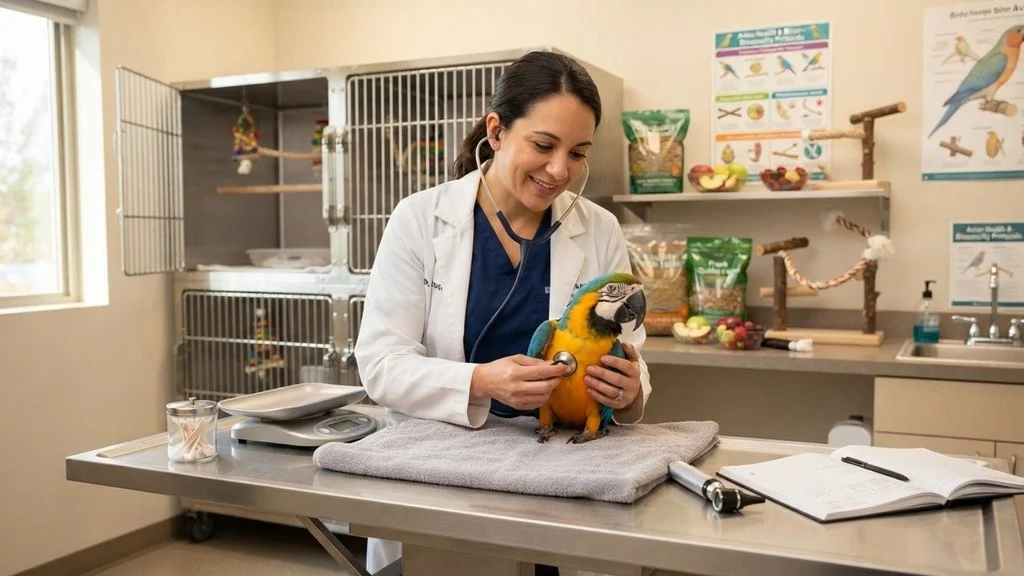
A bird’s environment plays a significant role in its comfort and health and seasonal changes throughout the year require adjustments to keep conditions stable and safe.
Temperature sensitivity varies by species but most pet birds are comfortable within a range similar to human comfort levels generally between 65–80°F. Sudden temperature swings drafts from windows or doors and proximity to air conditioning vents or heaters can stress a bird’s system and increase susceptibility to illness. Cages should be positioned away from these fluctuation points year-round with extra attention during transitional seasons like fall and spring when indoor heating and cooling cycles shift frequently.
Humidity also affects feather condition and respiratory health particularly for species originating from tropical climates such as many parrot species. Indoor heating during winter months can dry out the air significantly leading to dry skin, flaky beaks and brittle feathers. Using a humidifier near but not directly on the cage or increasing bathing frequency can help offset this seasonal dryness.
Molting season which typically occurs once or twice a year depending on species brings its own care considerations. During molting birds regrow feathers and may appear patchy, become more irritable or scratch more frequently due to itchiness from emerging pin feathers. Increased protein intake and gentle misting can support healthy feather regrowth during this period. Owners should also avoid unnecessary handling of new pin feathers which are sensitive and prone to bleeding if damaged.
Traveling and Emergency Preparedness
Whether it’s a vet visit, a move or an evacuation, being prepared to transport your bird safely is an essential part of responsible ownership that’s easy to overlook until it’s urgently needed.
A sturdy well-ventilated travel carrier is a must-have for every bird owner. Carriers should be secure enough to prevent escape, small enough to limit excessive movement during transit but large enough for the bird to stand and turn comfortably. For car travel the carrier should always be secured with a seatbelt or placed in a stable non-sliding position never left loose on a seat or in direct sunlight which can cause dangerous overheating even on mild days.
Familiarizing your bird with the carrier before travel is necessary since unfamiliar enclosures can cause significant stress. Short practice sessions at home paired with treats help build positive associations before a real trip is needed.
An emergency kit tailored to your bird should include a spare set of food and water dishes, a few days’ supply of pellets, a lightweight travel cage to cover basic first-aid items like styptic powder, a copy of medical records and contact information for your regular and emergency avian vets.
Finding a pet-sitter or boarding facility experienced specifically with birds is equally important for planned absences. General pet-sitters may not recognize early signs of distress or illness in birds so seeking someone with avian-specific experience or a dedicated avian boarding facility provides peace of mind and safer care in your absence.
Conclusion
Caring for a bird is a multifaceted commitment that goes far beyond providing food, water and a cage.
As this guide has covered, responsible bird ownership touches nearly every aspect of daily life from choosing the right species for your lifestyle to creating a safe and stimulating habitat to recognizing the subtle signs that something may be wrong.
What sets bird care apart from many other pets is the sheer depth of attention required across so many dimensions simultaneously.
A bird’s physical health depends on proper diet hygiene and grooming while its psychological well-being hinges equally on mental stimulation, social bonding and consistent sleep.
Neglecting any single pillar, even one that seems minor like water bowl cleanliness or sleep schedule consistency can have ripple effects across a bird’s overall health and behavior.