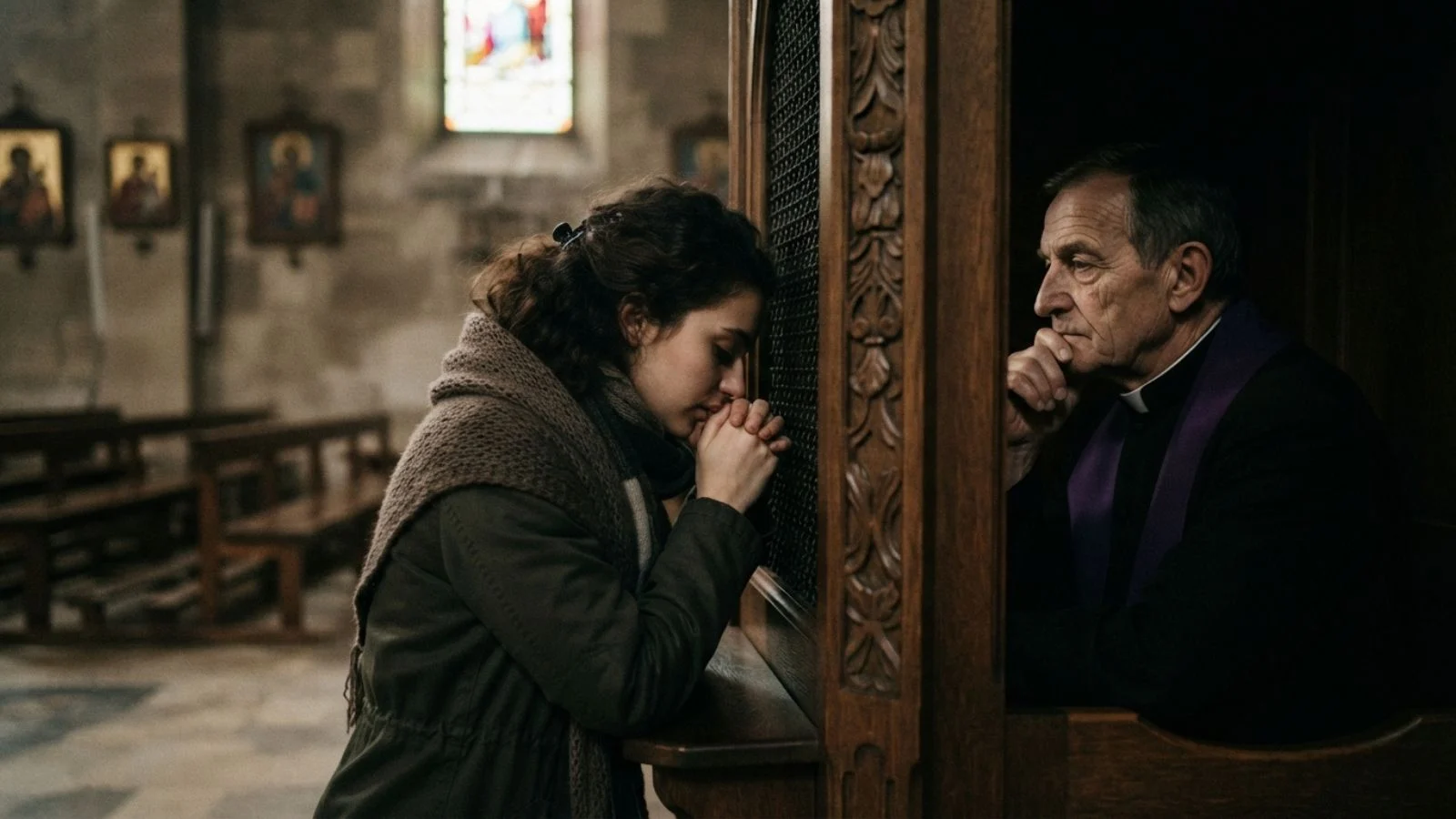
For many Catholics the walk toward the confessional is heavier than it needs to be. Maybe it’s been months, years or even decades since your last confession maybe you were never taught how to do it properly in the first place.
Or maybe the thought of saying your sins out loud to another person fills you with dread whatever is holding you back you’re far from alone confession is one of the most avoided yet most misunderstood sacraments in the Catholic Church.
Here’s the truth: confession isn’t designed to shame you it’s designed to free you behind that screen or across that room sits someone whose entire purpose in that moment is to offer you mercy not condemnation.
This guide walks through everything you need to know from preparing your heart beforehand to what to actually say once you’re there so you can walk in nervously and walk out at peace.
Understanding the Sacrament
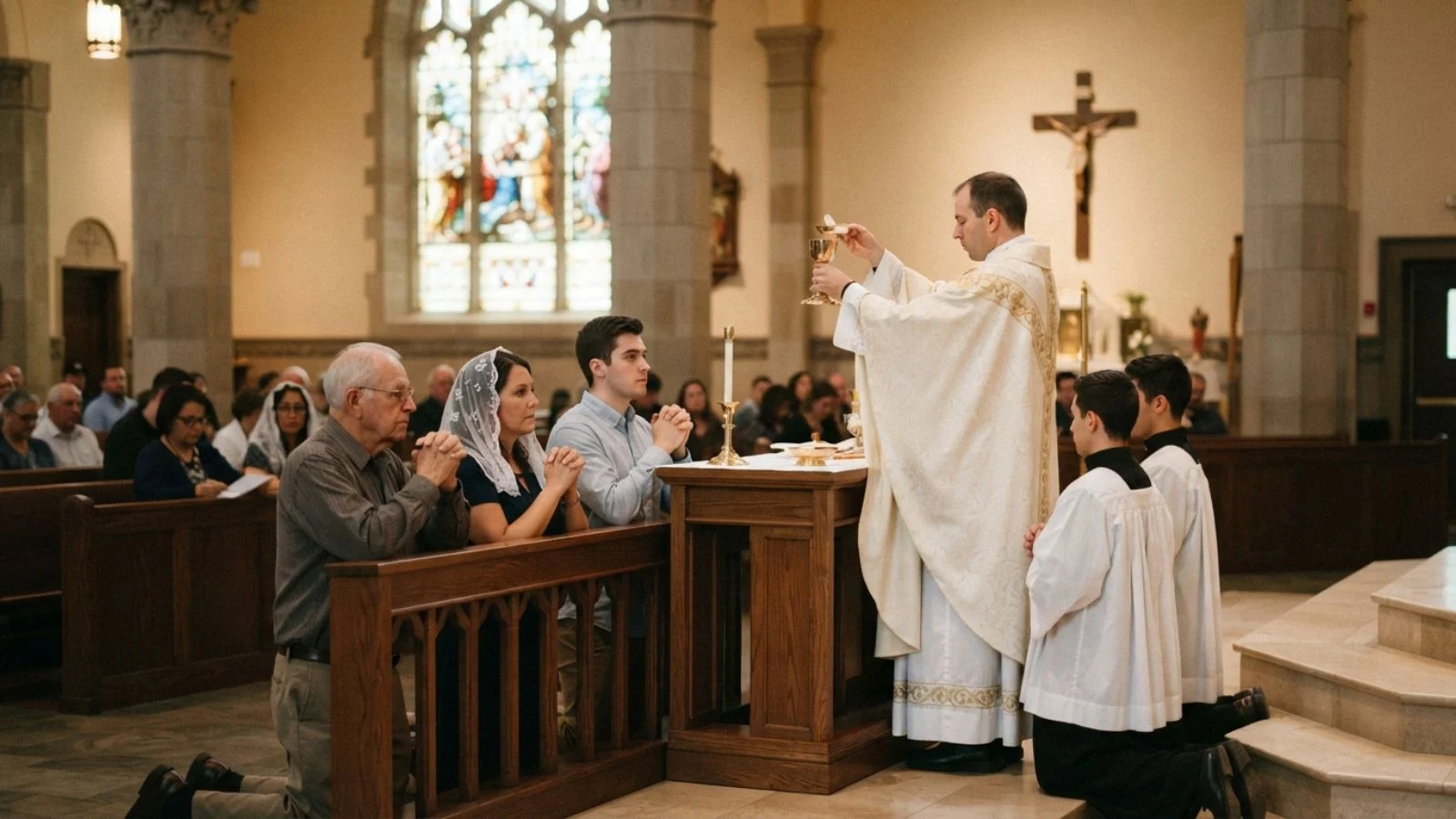
Confession formally known as the Sacrament of Reconciliation or Penance is one of the seven sacraments of the Catholic Church. At its core it’s an encounter with God’s mercy facilitated through a priest who acts in persona Christi meaning “in the person of Christ.”
The biblical foundation for this sacrament comes from the Gospel of John where the resurrected Jesus breathes on his apostles and says “Receive the Holy Spirit. If you forgive the sins of any they are forgiven them; if you retain the sins of any they are retained” (John 20:22-23). Catholics understand this as Christ handing his authority to forgive sins to the apostles and through apostolic succession to priests today.
You might wonder why confessing directly to God in private prayer isn’t enough. The Church teaches that confessing to a priest offers something private prayer doesn’t: a tangible audible assurance of forgiveness along with guidance and accountability from another person.
Every valid confession includes four essential elements: contrition (genuine sorrow for sin) confession (verbally naming your sins) penance (an act assigned to make amends and grow in virtue) and absolution (the priest’s official pronouncement of forgiveness).
As for frequency the Church requires Catholics to confess serious sins at least once a year typically around Easter. However many devout Catholics go monthly or even more often treating confession as an ongoing tool for spiritual growth rather than an emergency measure.
Before You Go: Preparation
Good confessions start before you ever enter the confessional. The most important step is an examination of conscience, a quiet honest review of your thoughts, words and actions since your last confession. Rushing this step is the most common reason people leave confession feeling like they forgot something important.
Most parishes offer printed examination guides often structured around the Ten Commandments or the Seven Deadly Sins walking you through prompts like “Have I been honest in my dealings with others?” or “Have I put anything before God in my life?” These tools exist precisely because self-reflection doesn’t come naturally under pressure to use them rather than relying on memory alone.
It also helps to distinguish between mortal sins (serious deliberate offenses that break your relationship with God) and venial sins (smaller everyday failings). This isn’t about scoring yourself, it simply helps you organize your thoughts and know what’s essential to mention.
Before walking in, take a moment to pray for the grace of honesty and true sorrow rather than mere embarrassment at being caught.
If it’s been years since your last confession don’t panic. Simply tell the priest it’s been a long time; he will gently guide you through the process. The same goes for first-time confessions; children converts and adults returning to the faith are never expected to have it memorized perfectly.
Practical Logistics

Once you’ve prepared spiritually the next step is simply figuring out the logistics and this part is easier than most people expect.
Most parishes post regular confession times in their bulletin on their website or on a sign outside the confessional itself. Saturday afternoons are the most common slot though many parishes also offer confession before weekday Masses or during Advent and Lent when demand is higher. If none of the posted times work with your schedule don’t hesitate to call the parish office priests are almost always willing to schedule a private appointment.
You’ll also need to decide between anonymous confession where you kneel behind a screen and remain unseen or face-to-face confession where you sit across from the priest in a reconciliation room. Neither is more valid or more spiritual than the other; it’s entirely a matter of personal comfort. Many first-timers and those confessing something particularly difficult prefer the anonymity of the screen while others find a face-to-face conversation more personal and pastoral.
It’s worth bringing a written examination of conscience or a prayer card with the Act of Contrition especially if nerves tend to make your mind go blank. There’s no shame in reading from notes.
Lastly if you’re traveling you’re not limited to your home parish. Any Catholic church offers confession and priests are accustomed to hearing from visitors passing through.
Step-by-Step Walkthrough
When it’s your turn enter the confessional or reconciliation room and begin with the traditional greeting: “Bless me Father for I have sinned. It has been [amount of time] since my last confession.” If you don’t remember the exact wording simply say so the priest will walk you through it.
Next confess your sins as specifically as you’re able. Rather than vague statements like “I haven’t been a good person” name the actual actions: dishonesty, anger , neglecting prayer or whatever applies. Specificity isn’t about self-punishment; it helps the priest offer relevant guidance and helps you take ownership of real change.
If you forget something once you’re in the moment don’t panic. You can either mention it if it resurfaces or simply bring it up next time. Nothing is disqualifying about an imperfect memory.
The priest will typically respond with a few words of counsel not a lecture but perspective meant to help you grow followed by an assigned penance usually a prayer or small act.
You’ll then be asked to pray an Act of Contrition expressing sorrow and a resolve to avoid sin going forward. Many people keep the words on a card since nerves make memorised prayers slip away easily.
Finally the priest extends his hands and prays the Prayer of Absolution officially forgiving your sins in the name of the Father Son and Holy Spirit the heart of the entire sacrament.
Common Fears and Misconceptions
Much of what keeps people away from confession isn’t theological, it’s emotional. Addressing these fears directly can make the experience far less intimidating.
“The priest will judge me.” This is perhaps the most common worry and it’s rooted in a misunderstanding of the priest’s role. Priests are bound by the seal of confession, an absolute and unbreakable obligation never to reveal anything heard in confession to anyone under any circumstances, not even under legal or personal pressure. Beyond that priests hear the same categories of sin repeatedly; very little genuinely shocks them.
“My sin is too bad to confess.” No sin is beyond the scope of God’s mercy within this sacrament. In fact the more burdensome a sin feels the more relief people typically report after confessing it.
“I don’t remember the exact words.” This is completely normal especially for those returning after years away or attending for the first time. Priests are used to guiding people line by line and won’t rush or embarrass you.
“What if I’m recognized?” For those choosing the anonymous option the screen genuinely protects your identity and priests generally avoid trying to guess who’s speaking. For those choosing face-to-face most report that the personal connection outweighs any initial awkwardness.
After Confession
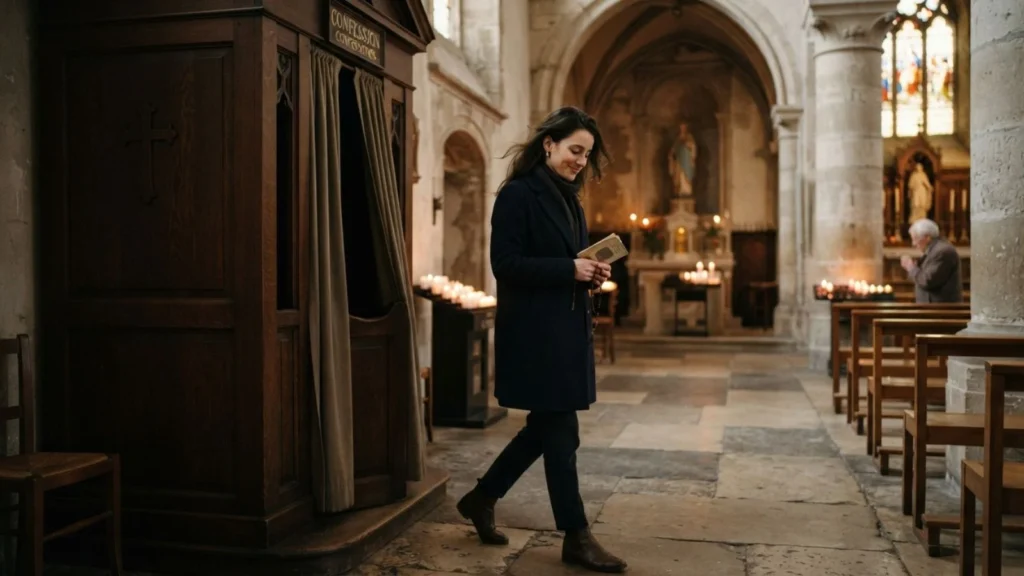
Walking out of the confessional is often described as one of the lightest, most peaceful moments in a person’s spiritual life but the sacrament doesn’t fully end the moment you leave the room.
The first practical step is completing your assigned penance. This might be a specific prayer, a period of quiet reflection or a small act of charity. It’s not a punishment or a “price” for forgiveness; your sins are already forgiven the moment the priest pronounces absolution. Rather penance is a gesture of gratitude and a small tangible way of reinforcing your commitment to change.
Emotional reactions vary widely. Some people feel an immediate wave of relief or even tears; others feel a quiet steady peace that builds over the following days. Some feel nothing dramatic at all in the moment and that’s completely normal too. Grace doesn’t always announce itself with strong feelings.
For many one honest confession becomes the beginning of a habit rather than an isolated event. Building a regular rhythm monthly is common among devout Catholics turns confession from a stressful occasional hurdle into an ordinary part of spiritual maintenance much like a regular checkup.
Finally confession works best paired with genuine effort toward change: identifying triggers for recurring sins seeking accountability and returning to prayer consistently. The sacrament offers grace but lasting transformation usually comes from pairing that grace with real ongoing effort in daily life.
Special Situations

While the process above covers the typical experience several situations call for a slightly different approach.
Confessing serious or mortal sins can feel especially daunting but these are exactly the sins the sacrament exists for. Being direct and specific rather than minimizing or dancing around the issue actually makes the confession easier and more effective. Priests are trained to respond with pastoral care not shock or condemnation.
Confessing to a priest you know a family friend or someone from your own parish staff can feel uncomfortable. If this discomfort is significant it’s entirely acceptable to seek out a different parish or an unfamiliar priest instead. There’s no obligation to confess only within your home parish.
Language barriers sometimes arise particularly for immigrants or those attending an unfamiliar parish. Many dioceses maintain lists of priests who hear confessions in specific languages; calling ahead can help you find the right fit.
Confession for the sick or homebound is available through priests who make pastoral visits to hospitals, nursing homes or private residences; a family member or chaplain’s office can typically arrange this.
General absolution given to a group without individual confession is reserved for rare emergency circumstances such as danger of death when individual confession isn’t possible. It is not a substitute for regular practice and still requires individual confession afterward when feasible.
Helpful Resources
Having the right tools on hand can make preparing for confession significantly less stressful especially for those who are anxious out of practice or attending for the first time.
Examination of conscience guides are widely available as free printables from diocesan websites, parish bulletins or Catholic publishing organizations. These typically walk through prompts organized around the Ten Commandments or the Seven Deadly Sins helping surface things that might otherwise be forgotten in the moment. Keeping a printed copy or a saved version on your phone removes the pressure of relying purely on memory.
Prayer cards with the Act of Contrition are worth carrying as well. Even devout Catholics sometimes blank on the exact wording under nerves and there is no shame in reading directly from a card rather than reciting from memory.
Parish confession schedules are usually posted on a parish’s official website often under a “Sacraments” or “Confession Times” tab. Many dioceses also maintain searchable directories of nearby parishes and their confession hours which is especially useful while traveling.
Several free and paid Catholic apps offer digital examination guides, confession trackers and reminders to help build a consistent habit over time.
Finally, don’t underestimate the value of simply asking a priest directly. Priests are generally happy to answer questions about the process itself whether by phone, email or in person, especially for those returning after a long absence or attending for the first time.
Conclusion
If there’s one idea worth carrying away from all of this it’s that confession was never meant to be a source of dread, it was meant to be a source of freedom.
The nervousness, the years of avoidance, the fear of judgment: all of it tends to dissolve the moment someone actually walks through the door and discovers what waits on the other side isn’t condemnation but mercy.
Every element of the sacrament from the quiet work of examining your conscience to the simple words of the opening greeting to the relief of hearing absolution spoken aloud exists to move a person from guilt toward peace.
It doesn’t require perfect words, a flawless memory or a spotless conscience. It only requires honesty and a willingness to begin.
If it’s been ten days or ten years since your last confession the process remains the same and so does the welcome waiting for you. Priests hear it all, forgive it all and are there for exactly this purpose.
So if you’ve been putting it off let this be the nudge to stop waiting. Find your parish’s confession times this week, bring an examination of conscience if it helps and walk in nervously is fine. What matters is that you go.