If you’re breastfeeding and struggling with a low milk supply or you’ve just learned your prolactin levels are lower than they should be you’re probably wondering how to fix it and fast.
Prolactin is the hormone primarily responsible for milk production but its influence stretches far beyond lactation touching everything from immune function to reproductive health and even emotional bonding.
The good news is that there are several ways to support healthy prolactin levels ranging from simple lifestyle adjustments to medical interventions for more persistent cases.
If you’re a new parent trying to boost your milk supply, someone investigating unexplained symptoms or simply curious about how this hormone works, this guide walks through what prolactin does, what causes it to drop and the natural and clinical strategies that may help raise it.
What Is Prolactin? (Deep Dive)
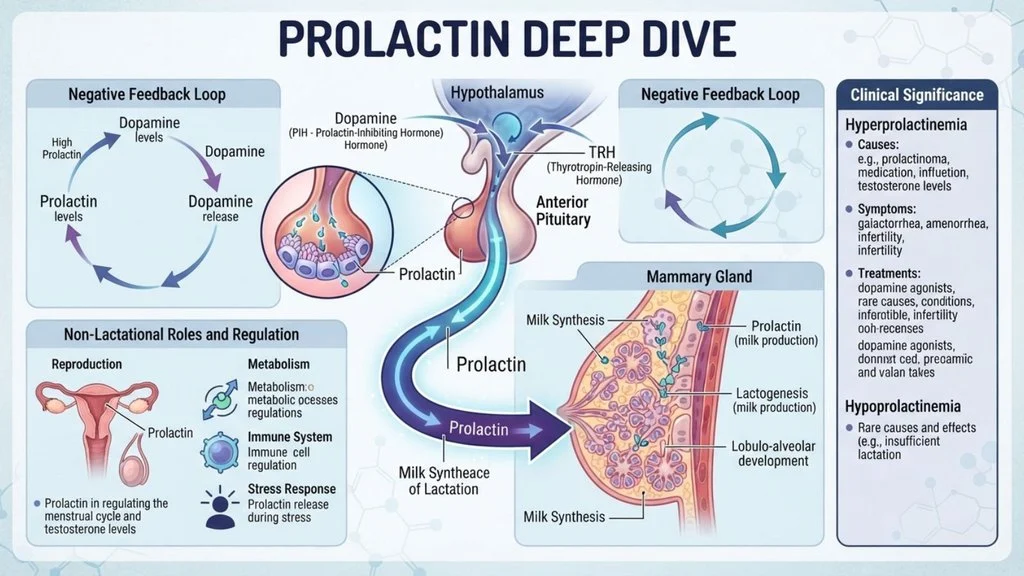
Prolactin is a hormone produced primarily by the anterior pituitary gland, a pea-sized structure at the base of your brain. While it’s best known for stimulating milk production after childbirth its role in the body is far more expansive than most people realize.
Prolactin release is controlled by a feedback loop between the hypothalamus and pituitary gland. Dopamine, a neurotransmitter , acts as the primary “brake” on prolactin secretion when dopamine levels drop and prolactin rises and vice versa. This is why medications that block dopamine (like certain antipsychotics) often cause prolactin levels to climb as a side effect.
Beyond lactation prolactin contributes to immune system regulation helping modulate how your body responds to inflammation and infection. It also plays a part in metabolism, reproductive function and even psychological bonding behaviors which is part of why it’s sometimes nicknamed the “parenting hormone.”
Normal prolactin levels vary depending on who you are. Non-consists women typically have lower baseline levels than consists women whose prolactin rises steadily throughout pregnancy to prepare for breastfeeding. Men have their own distinct reference range and newborns often show elevated levels shortly after birth.
It’s also worth noting that prolactin naturally fluctuates throughout the day. Levels tend to peak during sleep particularly during REM cycles and can rise in response to stress exercise or even a big meal. Understanding this natural rhythm is key before assuming something is medically wrong.
Signs & Causes of Low Prolactin
Low prolactin levels can show up in different ways depending on the underlying cause and who’s affected. For breastfeeding parents the most noticeable sign is often a diminished milk supply. Babies may seem unsatisfied after feeding or pumping sessions yield less than expected. Some also experience difficulty with the letdown reflex where milk doesn’t release as readily during feeding or pumping.
Beyond lactation low prolactin can present as persistent fatigue, reduced libido and irregular or absent menstrual cycles. Because prolactin interacts with other reproductive hormones, imbalances can sometimes contribute to fertility challenges as well.
Several underlying conditions can cause prolactin levels to drop. Sheehan’s syndrome, a rare condition involving pituitary damage after severe blood loss during childbirth, is one recognized cause. Pituitary damage or surgery whether from trauma tumors or radiation treatment can also impair the gland’s ability to produce adequate prolactin. Additionally certain medications, particularly dopamine agonists used to treat conditions like Parkinson’s disease or prolactinomas, work by suppressing prolactin and can inadvertently push levels too low.
If low prolactin is suspected, diagnosis typically involves a blood test measuring prolactin levels often timed to specific points in the day or menstrual cycle since levels fluctuate naturally. Doctors may also check related hormones such as thyroid-stimulating hormones to rule out other contributing factors. Getting an accurate diagnosis is the first step toward figuring out whether lifestyle changes, medication adjustments or other interventions are the right path forward.
Natural & Lifestyle Methods: Breastfeeding Techniques and Diet
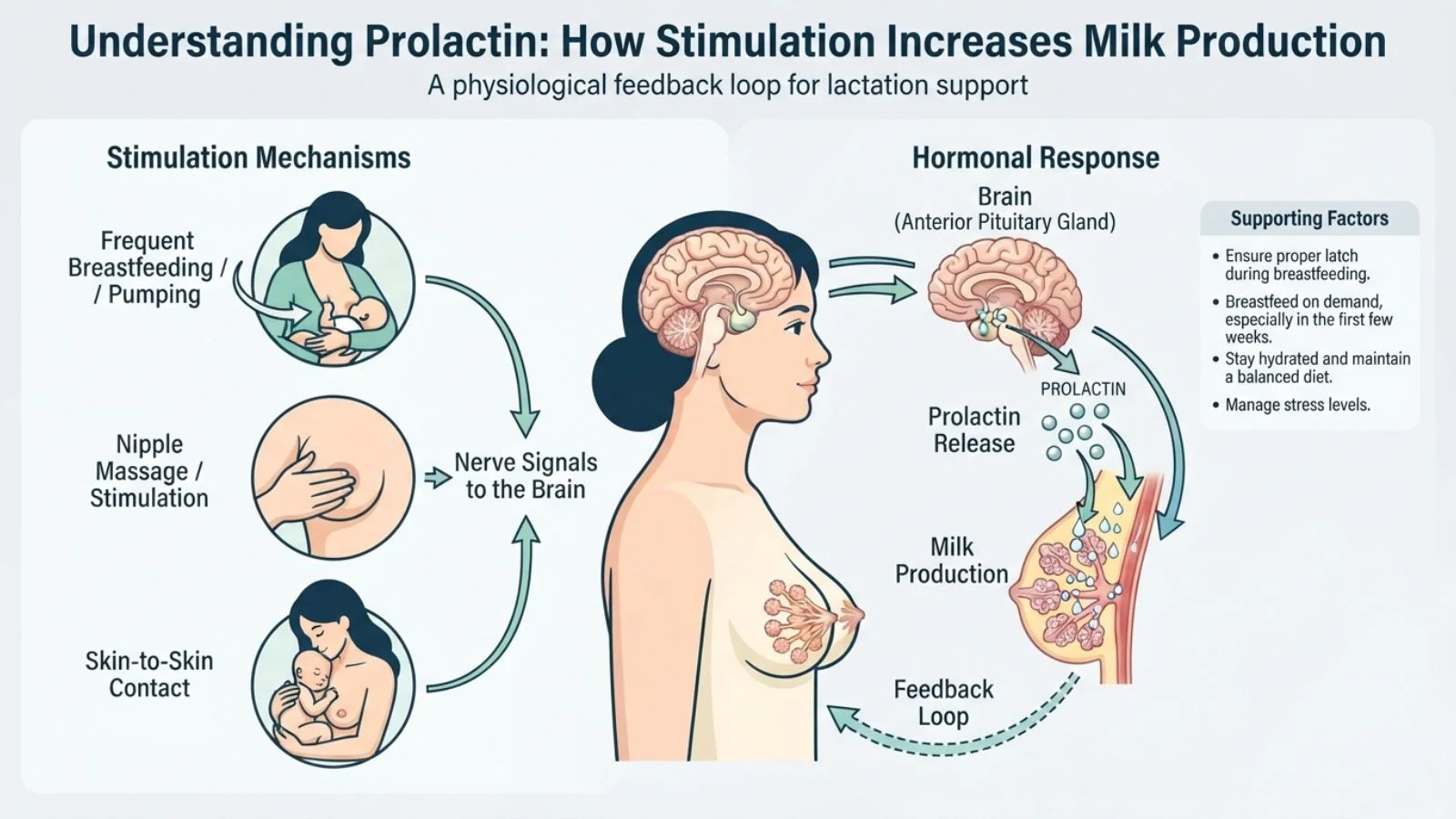
For breastfeeding parents specifically the most effective way to naturally boost prolactin is through consistent frequent milk removal. Prolactin release is directly tied to nipple stimulation so nursing or pumping on demand rather than on a strict schedule signals your body to keep production up. Skin-to-skin contact with your baby also plays a role as this closeness has been shown to naturally elevate prolactin and support bonding hormones simultaneously.
One popular technique is “power pumping” which mimics cluster feeding by alternating short bursts of pumping and rest over roughly an hour. The idea is to trick your body into thinking demand has increased prompting a corresponding rise in supply over the following days.
Diet is another commonly explored avenue. Certain foods known as galactagogues are traditionally believed to support lactation and prolactin production. Oats, fenugreek seeds, fennel garlic brewer’s yeast leafy greens and flaxseed are frequently recommended. While many parents report positive experiences with these foods it’s worth noting that scientific evidence supporting their effectiveness varies; some have more research behind them than others and results can be inconsistent from person to person.
That said, incorporating these foods into a balanced diet is generally low-risk and may offer benefits beyond just prolactin support making them a reasonable starting point for many people looking for a natural approach.
Natural & Lifestyle Methods: Herbal Supplements Sleep Stress and Exercise
Beyond food many people turn to herbal supplements specifically marketed for lactation support. Fenugreek is perhaps the most well-known though shatavari blessed thistle goat’s rue and moringa are also commonly used across different cultures and traditions. While anecdotal reports are often positive these supplements aren’t regulated with the same rigor as medications so dosages and purity can vary significantly between brands. It’s also important to watch for interactions with other medications and to consult a healthcare provider before starting any new supplement especially while breastfeeding.
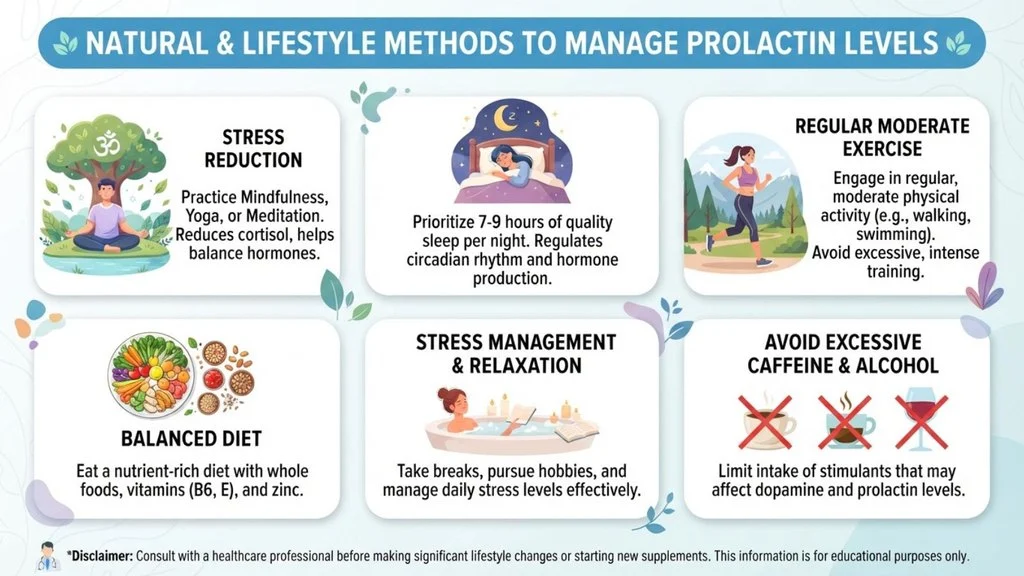
Sleep plays a surprisingly large role in prolactin regulation. Since prolactin naturally peaks during sleep particularly during REM cycles poor or fragmented sleep can blunt this natural rise. Prioritizing consistent sleep habits even in short stretches during postpartum life may help support healthier hormone patterns over time.
Stress management is equally important given the close relationship between cortisol and prolactin. Chronically elevated stress can disrupt the hypothalamic-pituitary feedback loop potentially suppressing prolactin output. Simple practices like deep breathing meditation or short mindfulness breaks may help keep cortisol and by extension prolactin more balanced.
Finally, exercise intensity matters. While moderate activity is generally healthy, excessive or high-intensity exercise has been shown to suppress prolactin in some cases. Finding a sustainable moderate exercise routine rather than pushing to extremes may support better hormonal balance overall.
Medical & Clinical Approaches

When lifestyle changes aren’t enough or when low prolactin stems from an underlying medical condition clinical intervention may be necessary. Certain medications are known to raise prolactin levels including some antipsychotics and drugs like metoclopramide and domperidone which are sometimes prescribed off-label to support lactation. It’s important to stress that these medications should only be used under a doctor’s supervision as they carry their own side effects and risks metoclopramide for instance can cause neurological side effects with prolonged use while domperidone availability varies by country due to cardiac safety concerns.
For breastfeeding parents struggling with low supply despite lifestyle efforts working with a lactation consultant alongside a physician can help identify whether medication technique adjustments or both are needed. A consultant can also help rule out other supply issues unrelated to prolactin such as latch problems or insufficient glandular tissue.
When low prolactin stems from an underlying condition such as hypothyroidism or pituitary damage treating that root cause is often more effective than addressing prolactin in isolation. For example correcting a thyroid imbalance can sometimes normalize prolactin levels without any additional intervention.
Interestingly pituitary tumors called prolactinomas can cause prolactin levels to swing the opposite direction becoming abnormally high rather than low. This highlights why professional evaluation matters: the right treatment depends entirely on accurately identifying what’s driving the imbalance in the first place rather than guessing.
Risks of Too Much Prolactin (Hyperprolactinemia)
While this guide focuses on increasing prolactin it’s worth pausing to address the flip side: prolactin levels that climb too high are a condition known as hyperprolactinemia. Balance matters here more isn’t automatically better and pushing levels up without medical guidance can create new problems.
In women excessively high prolactin can disrupt the menstrual cycle leading to irregular or absent periods. It may also cause galactorrhea or unwanted milk production even outside of pregnancy or breastfeeding. Fertility can be affected as well since elevated prolactin interferes with the hormones responsible for ovulation.
Men aren’t exempt either. High prolactin in men can lead to reduced libido erectile dysfunction and in some cases enlarged breast tissue (gynecomastia). Because these symptoms are less commonly associated with prolactin in public awareness they’re sometimes overlooked or misattributed to other causes.
Hyperprolactinemia can stem from several sources including certain medications (particularly antipsychotics and some antidepressants) pituitary tumors called prolactinomas hypothyroidism or even chronic stress in some cases. Because the causes are so varied self-diagnosing or self-treating based solely on symptoms is risky.
This is precisely why anyone attempting to naturally raise their prolactin levels should do so thoughtfully and ideally with some medical oversight especially if using supplements or medications. Understanding both ends of the spectrum helps clarify that the goal isn’t simply “more prolactin” but “the right amount of prolactin” for your body’s needs.
Myths & Misconceptions

As with many hormone-related topics misinformation about boosting prolactin circulates widely online and separating fact from fiction is essential before trying any method.
One common myth is that more galactagogues automatically mean more milk. In reality, effectiveness varies significantly from person to person and piling on multiple herbs or foods simultaneously doesn’t guarantee better results; it can even increase the risk of unwanted interactions or side effects. Quality and consistency matter more than quantity.
Another misconception is that herbal supplements are inherently “safe” simply because they’re natural. Unlike prescription medications supplements aren’t subject to the same rigorous testing dosage standardization or purity regulations. This means two bottles of the same herb from different brands could vary significantly in potency and some may even be contaminated or mislabeled.
There’s also a widespread assumption that low milk supply is always a prolactin problem. In truth supply issues can stem from many other factors including latch problems, infrequent removal of milk, certain medications or anatomical factors prolactin is just one piece of a larger picture.
Finally many people assume the evidence behind traditional galactagogues is stronger than it actually is. While fenugreek and similar remedies have long histories of traditional use, clinical research remains limited and results are often mixed or inconclusive. This doesn’t mean these approaches don’t work for some people but expectations should be realistic and results shouldn’t be assumed universally.
When to See a Doctor
While many lifestyle adjustments are safe to try on your own, certain signs warrant professional evaluation rather than a wait-and-see approach. If you’re breastfeeding and your milk supply hasn’t improved despite consistent pumping dietary changes and other natural methods over several weeks it’s time to consult a doctor or lactation consultant. Persistent low supply can sometimes indicate an underlying issue that lifestyle changes alone won’t resolve.
Beyond lactation concerns symptoms like ongoing fatigue, unexplained changes in your menstrual cycle, unexpected difficulty conceiving or a noticeable drop in libido are all worth discussing with a healthcare provider. These symptoms can overlap with numerous conditions so professional testing is the only reliable way to determine whether prolactin or something else entirely is the culprit.
If a doctor suspects a prolactin imbalance they’ll typically order a blood test often timed for the morning or a specific point in your cycle since prolactin naturally fluctuates throughout the day. They may also test related hormones such as thyroid function since thyroid imbalances frequently influence prolactin levels.
Before your appointment it can help to track your symptoms, note any medications or supplements you’re taking and write down questions in advance. Ask about potential causes specific to your situation, what the test results actually mean and what treatment options whether lifestyle-based medication-based or a combination might be appropriate for you.
FAQs
Can men increase prolactin naturally?
Yes though the reasons for wanting to are different than for breastfeeding parents. Men typically explore this due to fertility concerns or hormonal imbalances rather than lactation. The same general principles apply: prioritizing sleep, managing stress and maintaining a balanced diet can support healthy hormone levels overall. However medical evaluation is especially important for men since low prolactin symptoms can overlap with other conditions.
Does pumping more always increase supply?
Not necessarily. While frequent milk removal is one of the most effective ways to signal your body to produce more, other factors like pump quality, technique , hydration and overall health also play a role. Some people see significant improvement with increased pumping while others find it makes little difference particularly if an underlying issue is contributing to low supply.
How long does it take to see changes in prolactin levels?
This varies widely depending on the method and individual. Lifestyle changes like improved sleep or stress reduction may take a few weeks to show noticeable effects while techniques like power pumping can sometimes produce results within days. Medical treatments when necessary may work faster but should always be monitored by a healthcare provider.
Are galactagogues scientifically proven?
The evidence is mixed. Some galactagogues like fenugreek have more studies behind them than others but results are often inconsistent and sample sizes in existing research tend to be small. Many recommendations are based on traditional use rather than robust clinical trials.
Conclusion
Prolactin plays a far bigger role in the body than most people realize, and understanding it is the first step toward addressing any concerns about low levels.
If you’re dealing with a diminished milk supply, unexplained fatigue, or irregular cycles, there are multiple avenues worth exploring from simple lifestyle adjustments to more targeted medical interventions.
For many people, starting with natural approaches makes sense: prioritizing frequent breastfeeding or pumping, incorporating traditional galactagogue foods, improving sleep quality, and managing stress levels.
These changes are generally low-risk and may offer benefits beyond just prolactin support. Herbal supplements can also be part of this approach, though they should be used thoughtfully and ideally with guidance from a healthcare provider, given the lack of regulation in this space.