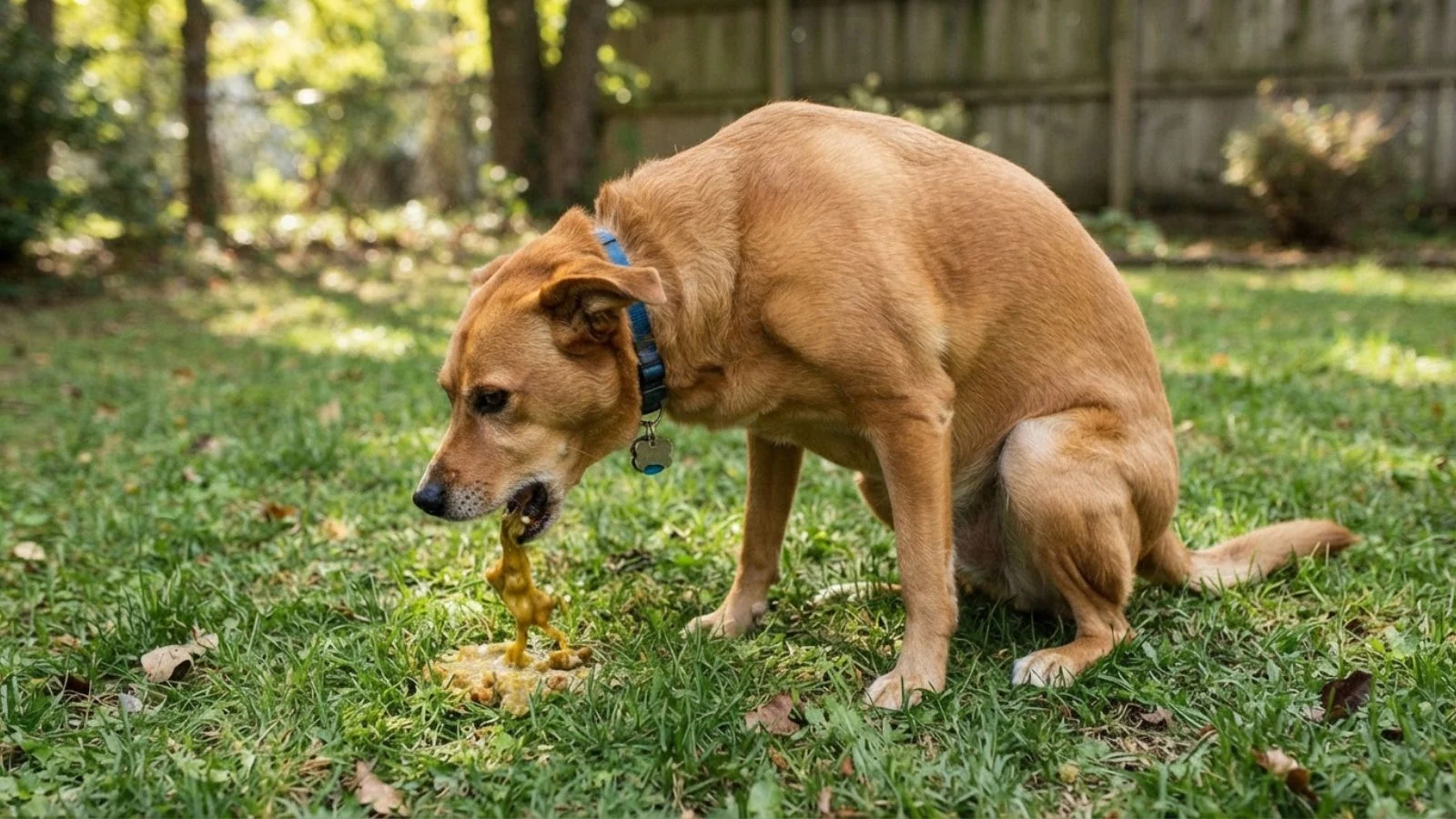
Few moments are as alarming as watching your dog gulp down something they shouldn’t have: a chocolate bar left on the counter, a bottle of pills or a sock that vanished mid-play.
In that panic many owners instinctively wonder: should I make my dog throw up?
The truth is inducing vomiting can be a lifesaving first step in some situations and a dangerous mistake in others.
Timing matters, the substance matters and your dog’s individual health matters. Doing it the wrong way or in the wrong situation can cause more harm than the original ingestion itself.
This guide walks you through exactly when it’s safe to induce vomiting when you should avoid it entirely and the vet-recommended method for doing it correctly if your veterinarian or a poison control hotline advises it. But first and always: call a professional before you act.
Understanding Why Dogs Need to Vomit After Ingestion

To understand why timing is everything it helps to know what actually happens once your dog swallows something harmful. The moment a toxic substance or foreign object enters your dog’s stomach the clock starts ticking. Digestion begins almost immediately and depending on what was ingested your dog’s body may start absorbing dangerous compounds into the bloodstream within minutes.
This is why veterinarians and poison control experts talk about a “golden window” typically the first one to two hours after ingestion. During this period a significant portion of what your dog swallowed is often still sitting in the stomach not yet moved into the small intestine where absorption accelerates. Inducing vomiting during this window can remove much of the substance before it causes serious harm.
Once that window closes the calculation changes. If too much time has passed the toxin may already be absorbed and forcing vomiting offers little benefit while still carrying risks like aspiration or esophageal irritation. In some cases food eaten alongside the toxic substance can also slow absorption which is one of many variables a vet or poison control specialist will factor in when advising you.
This is also why acting fast and calling for professional guidance immediately matters more than trying to remember home remedies. The sooner you reach out the more likely you are to still be within that critical window where inducing vomiting can actually help.
When It’s Safe to Induce Vomiting
Inducing vomiting isn’t a one-size-fits-all response to every ingestion; it’s appropriate only in specific circumstances. Generally it’s considered safer when your dog has swallowed a non-corrosive toxin meaning a substance that won’t cause additional damage on the way back up. Common examples include certain human foods that are toxic to dogs (like chocolate grapes or xylitol-containing products) , some non-caustic medications and certain plants that cause systemic issues rather than tissue burns.
Timing plays a major role as well. Vomiting is most useful when the ingestion was recent, ideally within the last one to two hours and preferably witnessed or strongly suspected rather than just guessed at. If you saw your dog eat something or found clear evidence (an empty package, a chewed-up bottle missing pills) that certainty helps a vet or poison control specialist make a faster, more confident recommendation.
Foreign objects can sometimes fall into this category too but with more caveats. Small smooth non-sharp items swallowed very recently may be brought back up successfully but this depends heavily on the object’s size, shape and your dog’s size and breed.
It’s worth repeating: “safe” in this context doesn’t mean “safe to do on your own without guidance.” It means these are the scenarios where a veterinarian or poison control expert is likely to recommend inducing vomiting as the right course of action, always following their specific instructions for your dog’s situation.
When You Should NEVER Induce Vomiting
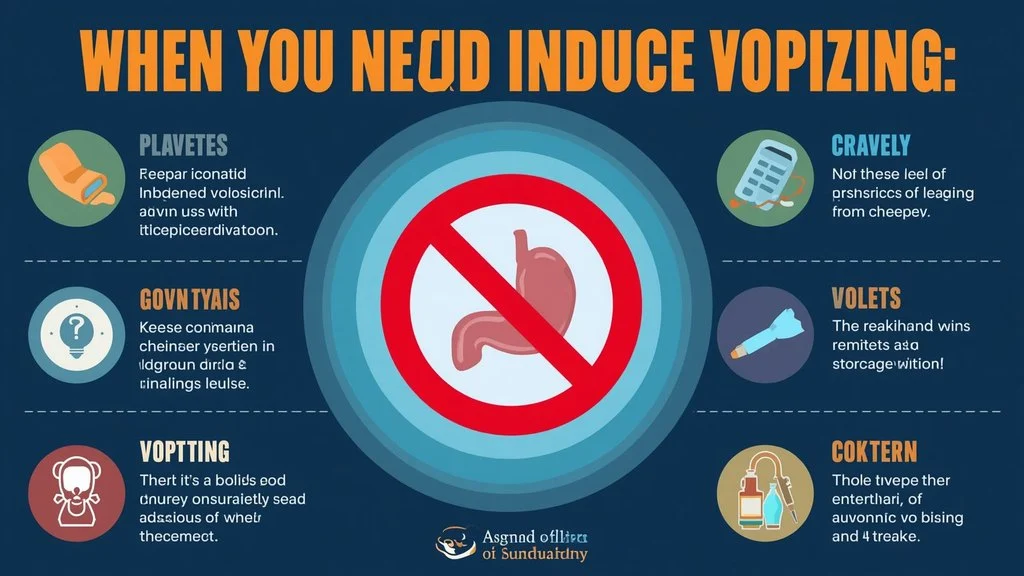
Just as important as knowing when vomiting helps is knowing when it can make things dramatically worse. Corrosive or caustic substances top this list things like bleach drain cleaner or battery acid. If your dog swallows something like this forcing it back up exposes the esophagus and mouth to the damage a second time potentially causing severe burns.
Sharp objects are another firm no. Bone shards, needles , glass or fish hooks can tear the esophagus or throat on the way back up, turning a manageable situation into a surgical emergency. Similarly petroleum-based products like motor oil or gasoline should never be vomited back up since there’s a real risk of the liquid being inhaled into the lungs causing aspiration pneumonia.
Your dog’s physical state matters too. If they’re already lethargic, having seizures unconscious or struggling to breathe inducing vomiting can be outright dangerous; a compromised dog may not have the reflexes to protect their airway properly.
Certain breeds carry extra risk as well. Brachycephalic dogs, Bulldogs Pugs Boxers and similar flat-faced breeds have narrower airways that make aspiration more likely during vomiting. And dogs with pre-existing conditions like megaesophagus face heightened risk from the process itself.
Finally if it’s been more than two hours since ingestion the substance may already be absorbed making the risks of vomiting outweigh any potential benefit something your vet will assess case by case.
Step One: Always Contact a Professional First
Before attempting anything at home your very first move should be reaching out to a professional not searching for home remedies or guessing at what to do. Two resources exist specifically for this kind of emergency: the ASPCA Animal Poison Control Center and the Pet Poison Helpline. Both are staffed by veterinary professionals who handle ingestion emergencies around the clock and can give you guidance tailored to your dog’s exact situation.
If you have a regular veterinarian calling their office first is also a solid option especially if it’s during business hours and they can see your dog quickly. Outside of those hours, locating the nearest emergency vet clinic ahead of time before you actually need one can save precious minutes during a real crisis.
When you call, having key information ready will help the professional give you faster, more accurate advice. Be prepared to share your dog’s weight, the substance (or object) ingested and roughly how much the estimated time since ingestion and any symptoms your dog is currently showing such as drooling, vomiting , restlessness or lethargy.
This step isn’t a formality, it’s the difference between an informed decision and a risky guess. A professional can tell you definitively whether inducing vomiting is appropriate for your dog’s specific situation and if so walk you through exactly how to do it safely.
Vet-Approved Method: Using Hydrogen Peroxide (3%)
When a veterinarian or poison control specialist confirms that inducing vomiting is the right move, 3% hydrogen peroxide is the most commonly recommended method for home use. It’s important to note the concentration, specifically this refers to the standard hydrogen peroxide sold for wound cleaning, not higher-strength industrial or salon versions which can be dangerous.
The professional you speak with will typically calculate an appropriate amount based on your dog’s weight so this isn’t something to eyeball or estimate yourself. Once you have that guidance the peroxide is usually given orally using a needle-less syringe or turkey baster aimed toward the back of the tongue to encourage swallowing.
After administration most dogs will begin vomiting within 10 to 15 minutes. If nothing happens within that window don’t assume more is automatically better. The vet or hotline you’re working with will advise whether a second dose is appropriate or whether it’s time to head to the clinic instead. Repeated dosing without guidance can cause stomach irritation or other complications.
It’s also worth watching your dog closely during this process. Keep them in an open area away from stairs or furniture edges and stay with them throughout. If vomiting doesn’t occur or your dog seems to be in distress at any point this is a sign to move straight to in-person veterinary care rather than continuing to wait it out at home.
Methods to Avoid and Why

The internet is full of “home remedy” suggestions for inducing vomiting in dogs but several common ones are outdated, ineffective or outright dangerous. Knowing what not to use is just as important as knowing the correct method.
Table salt is one of the most persistent myths. While it can sometimes trigger vomiting it carries a serious risk of sodium ion poisoning especially in smaller dogs. Symptoms can include excessive thirst vomiting unrelated to the original issue, tremors and in severe cases seizures meaning the “cure” can become more dangerous than the original ingestion.
Syrup of ipecac, once a household staple for human poisoning emergencies, is no longer recommended for dogs either. It’s been linked to cardiotoxic effects meaning it can negatively affect heart function and its vomiting-inducing effects are unreliable in dogs compared to the risks involved.
Manual methods like putting a finger down your dog’s throat to trigger a gag reflex are largely ineffective and carry real risk of injury both to your dog’s throat and to your own hand especially if your dog is anxious or in pain.
You may also come across suggestions involving mustard water or dish soap circulating in online forums or old wives’ tales. These aren’t supported by veterinary guidance and can introduce additional irritants into your dog’s system rather than solving the problem safely.
Special Considerations by Situation
Not every dog responds to induced vomiting the same way which is another reason professional guidance matters more than a generic set of instructions. Age is one major factor; puppies have smaller reserves and less physiological resilience than adult dogs meaning dosages and risk tolerances differ significantly. Senior dogs may have underlying health issues that aren’t immediately obvious making them more vulnerable to complications during the process.
Breed and body size also shape the approach. A hydrogen peroxide dose appropriate for a 70-pound Labrador could be far too much for a 10-pound Chihuahua which is why weight-based calculations from a vet or poison control specialist are essential rather than optional. Small breeds are also more prone to complications like sodium imbalances or dehydration if the process isn’t managed carefully.
Dogs with pre-existing health conditions require extra caution. Those with heart conditions may be more sensitive to certain substances used to induce vomiting while dogs with kidney issues may have a harder time recovering from the stress of the process itself. Dogs with megaesophagus, a condition affecting the esophagus’s ability to move food properly, face a significantly higher risk of aspiration during vomiting which may make professionals recommend skipping induced vomiting entirely in favor of an in-clinic approach.
These variables are exactly why “how much peroxide to give a dog” isn’t something to search for generically; it depends entirely on the individual dog in front of you.
What to Expect During and After Vomiting

Once vomiting begins paying close attention to what comes up can give you and your vet if you call them afterward valuable information about how the situation is progressing. Normal vomit in this context might contain partially digested food, the toxic substance itself (like wrapper fragments or pill remnants) or the foreign object your dog swallowed. Seeing the substance or object come back up is generally a reassuring sign that the process worked as intended.
Certain signs however warrant closer attention. Blood in the vomit, whether bright red or a darker coffee-ground appearance, can indicate irritation or damage to the esophagus or stomach lining and should be reported to your vet right away. Unusual colors or textures that don’t match what your dog ate can also be worth mentioning during a follow-up call.
After vomiting concludes most dogs benefit from a period of rest in a calm quiet space. Access to small amounts of water is usually fine but check with your vet about when to reintroduce food since eating too soon can sometimes trigger additional stomach upset.
It’s also important to remember that successfully vomiting up a toxin or object doesn’t automatically mean the danger has passed. Some substances have effects that develop over hours so continued observation and a follow-up call to your vet describing what happened is a sensible next step even when things seem to have gone smoothly.
Signs That Warrant Immediate Emergency Care (Even After Vomiting)
Successfully inducing vomiting is often just the first step not the end of the story. Certain symptoms afterward signal that your dog needs to see a veterinarian immediately regardless of how smoothly the vomiting itself went.
Continued vomiting or persistent dry heaving beyond what’s expected can indicate that something more serious is happening internally whether that’s ongoing irritation, an object that didn’t fully come up or absorption of the toxin that already occurred before vomiting began. Similarly blood in the vomit or stool whether appearing immediately or hours later is never something to wait out at home.
Breathing changes are especially urgent. Labored breathing persistent coughing or choking sounds can point to aspiration meaning some of the vomited material entered the lungs rather than staying clear of the airway. This is a medical emergency that requires prompt treatment to prevent aspiration pneumonia.
Behavioral and neurological changes matter too. Lethargy that doesn’t improve tremors, disorientation , wobbliness or unusual weakness can indicate that a toxin is still affecting your dog’s system despite the vomiting.
Finally if you have reason to believe the object or substance wasn’t fully expelled whether because you expected to see something specific and didn’t or because your dog’s symptoms haven’t changed this is a clear signal to head to an emergency vet clinic rather than assuming the situation has resolved on its own.
Common Ingestion Scenarios and How They’re Handled

While every case should involve a call to your vet or poison control, understanding how professionals typically approach common ingestions can help you recognize urgency levels. Chocolate, one of the most frequent culprits, contains theobromine and toxicity depends on the type of chocolate and your dog’s size, dark and baking chocolate are far more dangerous than milk chocolate and vomiting is often recommended if caught within the golden window.
Xylitol found in sugar-free gum candy and some peanut butters is treated as a high-urgency situation. It can cause a rapid drop in blood sugar and in some cases liver damage so professionals often recommend immediate action rather than waiting to see symptoms develop.
Grapes and raisins present a trickier case since the toxic mechanism isn’t fully understood and reactions vary significantly between dogs. Vets often err on the side of caution and recommend inducing vomiting regardless of the amount consumed.
Human medications from over-the-counter pain relievers to prescription drugs are assessed based on the specific medication dosage and your dog’s weight since some are far more dangerous than others in even small amounts.
Small toys, socks or other foreign objects are handled differently depending on size and shape. If recently swallowed and small enough vomiting may be attempted but larger or oddly shaped objects may require an X-ray and possible endoscopic or surgical removal instead since risk of the object getting stuck on the way up is a real concern.
How to Prevent Future Incidents
While knowing how to respond to an ingestion emergency is essential, preventing one in the first place saves your dog from the stress of the whole ordeal. A thorough pet-proofing pass through your home is the best starting point. Keep cabinets containing cleaning supplies, medications or chemicals secured with childproof latches since determined dogs can often nudge open unlatched doors. Trash cans should have secure lids or be stored somewhere your dog can’t access as food scraps packaging and spoiled items are common culprits behind emergency vet visits.
Countertops and tables deserve attention too; “counter-surfing” is a well-known behavior in many breeds and items left within reach are often items that end up swallowed. This includes not just food but small objects like medication bottles, sewing supplies or children’s toys.
Familiarizing yourself with common household toxins can also make a real difference. Certain human foods (chocolate grapes onions xylitol) houseplants (lilies sago palm aloe vera) and everyday chemicals (antifreeze fertilizers rodenticides) are frequent causes of emergency calls and knowing what to keep out of reach reduces risk significantly.
Finally consider assembling a small pet first-aid kit and keeping emergency numbers of your vet, the nearest emergency clinic and poison control hotlines somewhere easy to find like on your fridge or saved in your phone. Preparation before a crisis happens is often what makes the difference in how quickly and effectively you can respond.
Conclusion
Watching your dog eat something dangerous is a frightening experience but how you respond in those first few minutes can make a real difference in the outcome.
The most important takeaway from everything covered here is simple: don’t go it alone. Inducing vomiting isn’t a one-size-fits-all home remedy.
It depends on what was ingested, how much time has passed your dog’s breed and health history and several other factors that only a trained professional can properly weigh.
Calling your vet the ASPCA Animal Poison Control Center or the Pet Poison Helpline should always be your first move, not a backup plan.
These professionals can tell you within minutes whether inducing vomiting is appropriate, walk you through the correct method if it is and help you recognize warning signs that require immediate in-person care.
Beyond emergency response prevention remains your best tool. Pet-proofing your home, understanding common household toxins and keeping emergency contact numbers readily accessible can spare you from ever needing this guide in a real crisis.