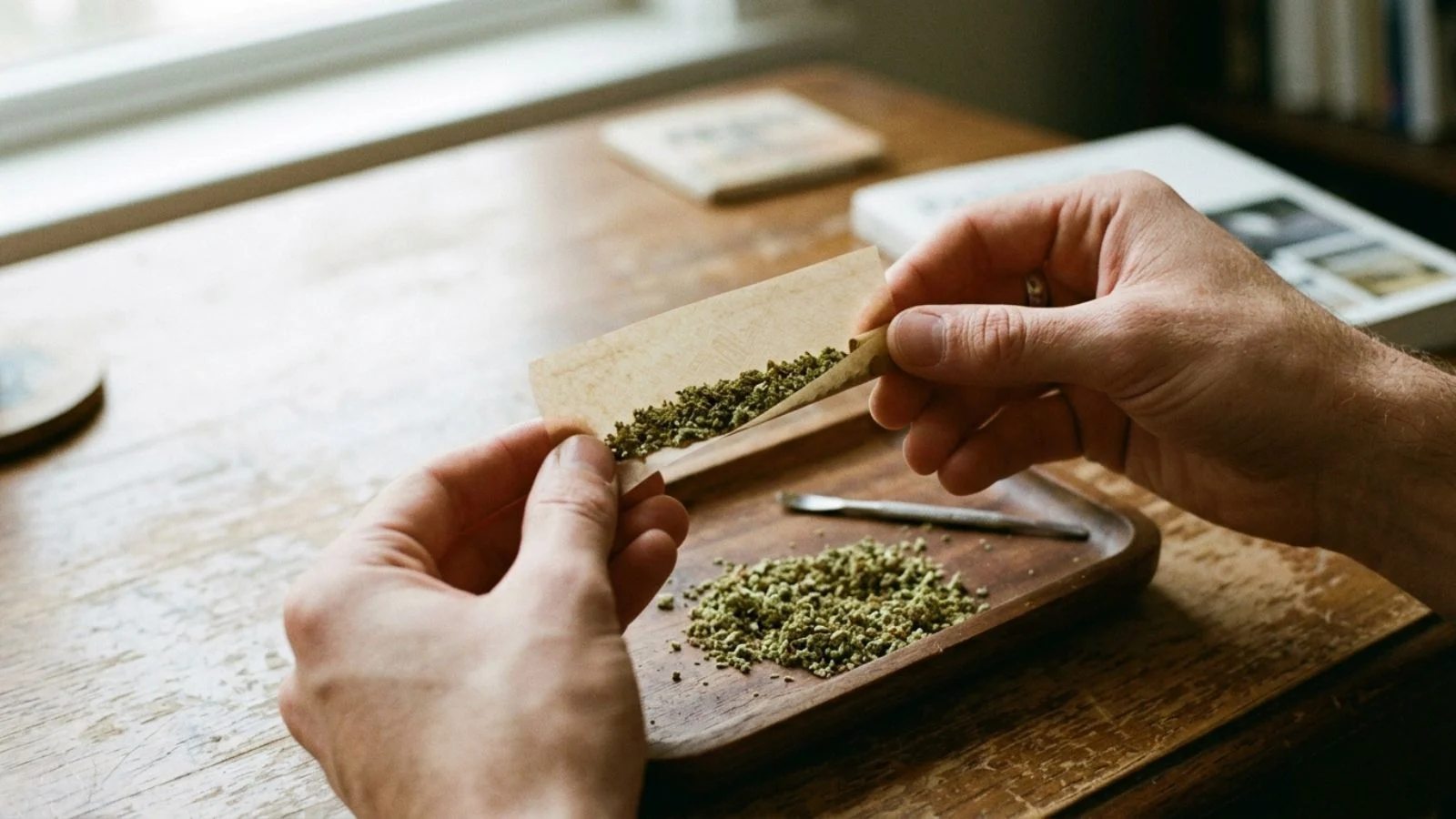
Rolling a joint without a filter sometimes called a “pinner” or “filterless roll” is a classic technique that many smokers prefer for its simplicity and old-school feel.
If you’re out of filter tips, prefer a more traditional smoking experience or simply want to master every rolling style, learning to roll without a filter is a useful skill to have in your rotation. Unlike filtered joints a filter less roll relies entirely on technique and grind consistency to burn evenly and hold its shape.
It can feel trickier at first especially when it comes to sealing the tip and preventing loose ends but with a bit of practice it becomes second nature.
In this guide we’ll walk through everything you need to know from grind prep to rolling technique so you can roll a clean smooth joint without needing a filter at all.
What You’ll Need
Rolling a clean joint without a filter doesn’t require much but having the right materials on hand makes a noticeable difference in how smoothly the process goes. Start with your rolling papers. The type you choose matters more than you might think. Rice papers are thin and burn slowly making them a popular choice for a clean even burn though their thinness can make them slightly trickier to handle for beginners. Hemp papers are a bit thicker and more forgiving to work with, offering a good balance between durability and burn quality. Wood pulp papers are the most common and beginner-friendly though they tend to burn a little faster and leave more ash.
Next you’ll need ground cannabis. Grind consistency plays an even bigger role in a filterless roll than in a filtered one since there’s no crutch to help control airflow at the mouthpiece. A medium-fine even grind helps the joint burn consistently from end to end and reduces the risk of canoeing or clogging.
Optional but helpful tools include a grinder for consistent texture, a rolling tray to keep everything contained and organized and a poker or thin tool for tamping down the mix and clearing airflow if needed. None of these are strictly required but they make the process faster and more consistent especially while you’re still building your technique.
Filter vs. No Filter: What Changes
Rolling without a filter changes more than just the shape of the joint; it affects airflow structure and even how the joint burns from start to finish. A filter often called a crutch or tip normally serves two purposes: it gives the joint a sturdy base to hold onto and it helps regulate airflow so the joint pulls evenly. Without one both of these jobs fall entirely on your rolling technique and grind quality.
Airflow is the biggest difference. With a filter air is naturally channeled through a small structured opening. Without it the end of the joint is just twisted paper so how tightly you twist and how evenly you’ve packed the mix determines whether air flows smoothly or gets restricted. Too loose and the joint may burn too fast or run hot; too tight and it can be hard to pull from.
Structural stability is the other major factor. A filter gives the joint a solid end to hold and pass around without crushing the tip. Without one the twisted end is more delicate and can loosen or unravel if not sealed properly.
Finally, grinding consistency becomes more important without a filter. Since there’s no crutch to help “catch” larger pieces or uneven bits an inconsistent grind is more likely to cause an uneven burn or canoeing. This is why many experienced rollers pay extra attention to grind texture when they know they’re skipping the filter.
Step-by-Step Rolling Instructions
1. Prepare Your Grind
Break up your cannabis using a grinder or your hands until it reaches a medium-fine even consistency. Avoid overly fine or powdery grinds as they can burn too fast and slip through the paper.
2. Set Up Your Paper
Hold the rolling paper with the adhesive strip facing up and away from you gum side up. Crease it slightly down the center to create a channel for your mix.
3. Load the Paper Evenly
Distribute your ground cannabis evenly along the crease keeping it slightly thicker in the middle and tapering toward both ends. Even distribution is key since there’s no filter to help regulate the burn.
4. Shape and Tuck
Use your thumbs and index fingers to gently shape the mix into a cylindrical form. Tuck the non-adhesive side of the paper around the mix, rolling it against the tips of your fingers.
5. Roll and Seal
Continue rolling in a back-and-forth motion to pack the mix evenly then roll the adhesive edge up and seal it by moistening the strip and pressing it down firmly.
6. Close the Tip
Twist the open end tightly to seal it mimicking the stability a filter would normally provide. This twist is especially important without a filter as it holds the structure together.
7. Pack Down the Other End
Use a poker or thin tool to gently pack down the open end for a smoother, more even burn.
Common Mistakes and Fixes
Even experienced rollers run into issues when rolling without a filter but most problems come down to a few common causes and they’re easy to fix once you know what to look for.
Canoeing (Uneven Burn)
This happens when one side of the joint burns faster than the other creating a “canoe” shape. It’s usually caused by an uneven grind or inconsistent packing. To prevent it make sure your cannabis is ground to a consistent texture and evenly distributed along the paper before rolling. Rotating the joint slowly while smoking also helps promote an even burn.
Loose Ends Unraveling
Without a filter the twisted end relies entirely on a tight twist to stay sealed. If it’s too loose it can come undone. Make sure to twist firmly and if needed twist it a second time for extra security.
Overpacking or Underpacking
Too much cannabis makes the joint hard to pull air through while too little causes it to burn too quickly and unevenly. Aim for a snug but not overly tight pack similar to the firmness of a pencil.
Papers Tearing During Rolling
This often happens with thinner papers like rice papers especially if too much pressure is applied while rolling. Handle the paper gently and use smooth even motions rather than forceful ones.
Tips for a Better Filterless Joint
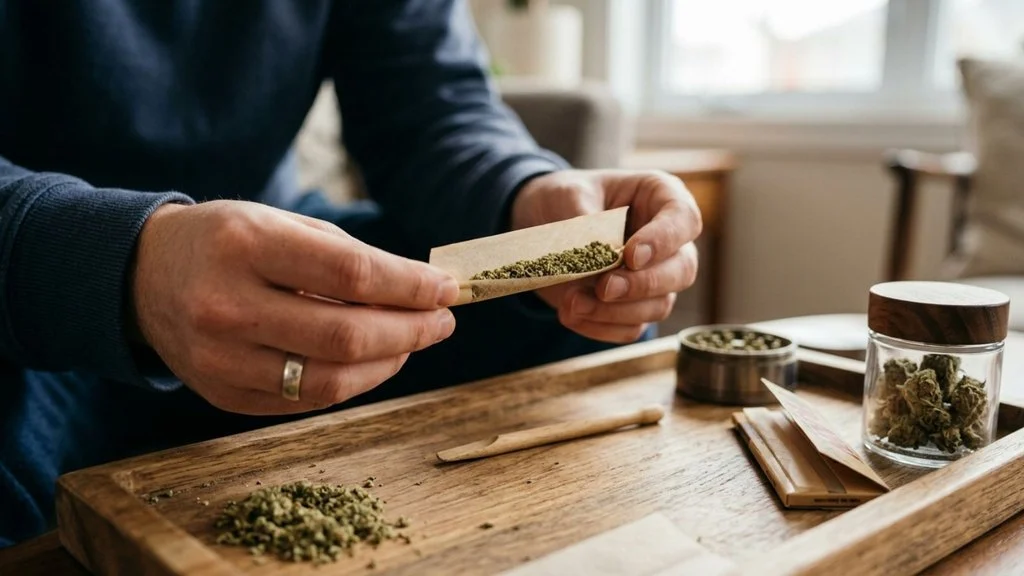
Once you’ve got the basic rolling technique down a few extra habits can take your filterless joints from decent to consistently great.
Prioritize an Even Grind
Since there’s no filter to help regulate airflow, grind consistency becomes one of the most important factors in how well your joint burns. A grinder helps achieve a uniform texture far more reliably than breaking buds apart by hand, reducing the risk of clumps or uneven spots that lead to canoeing.
Pack with the Right Density
Density plays a big role in both airflow and burn rate. A joint packed too loosely will burn quickly and harshly while one packed too tightly can be difficult to pull from. Aim for a firm but breathable pack adjusting slightly based on your grind texture.
Perfect Your Twist
Since the twisted end replaces the structural role a filter normally plays, take extra care here. A firm tight twist not only seals the joint but also helps maintain its shape when handled or passed around.
Store Joints Properly
Without a filter joints can be more delicate on both ends. Store rolled joints in a hard case or airtight container to prevent them from drying out, crushing or losing their shape before you’re ready to smoke.
Practice Consistency Over Speed
Rolling without a filter often takes a little more practice than rolling with one. Focus on repeating the same steps consistently rather than rushing and your technique will naturally improve over time.
Alternatives to Consider

While rolling without a filter is a perfectly valid technique it’s worth knowing a few alternatives in case you want more structure or stability without buying pre-made filter tips.
DIY Paper or Cardboard Crutch
One of the most common alternatives is making a simple filter from a small strip of thin cardboard such as a piece cut from a business card or the flap of a rolling paper booklet. Fold the strip in an accordion pattern at one end then roll it into a small cylinder. This creates a makeshift crutch that offers many of the same airflow and stability benefits as a store-bought filter tip without needing anything extra on hand.
Folded Paper Filter
Similarly a small piece of the rolling paper itself or an extra paper can be folded and rolled into a mini tube to serve the same purpose. This is a quick option if you don’t have cardboard available but still want a firmer mouthpiece.
When a Filter Might Still Be Worth Using
If you find yourself dealing with frequent canoeing loose ends or difficulty holding the joint comfortably it might be worth switching to a filtered roll at least for certain sessions. Filters can also make it easier for beginners to grip and pass the joint without damaging the structure.
Ultimately whether you roll with or without a filter comes down to personal preference experience level and the specific smoking experience you’re going for.
FAQ Section
Does a joint burn differently without a filter?
Yes, slightly. Without a filter regulating airflow the burn rate depends more heavily on grind consistency and how tightly the joint is packed. A well-rolled filterless joint can burn just as evenly as a filtered one but it requires a bit more attention to technique.
Is it harder to roll without a filter?
It can be a little more challenging at first mainly because the twisted end has to do the structural job a filter normally handles. Beginners may find it takes a few extra tries to get a tight secure twist and an even burn but it becomes much easier with practice.
Can you add a filter alternative mid-roll?
It’s possible but it’s much easier to decide on a filter or filterless approach before you start rolling. Trying to insert a makeshift crutch partway through can disrupt the shape and packing of the joint making it harder to achieve a clean roll.
Does rolling without a filter mean more or less waste?
Filterless joints typically mean less material waste since there’s no separate filter tip using extra paper or cardboard. However some smokers feel filterless joints are more prone to loose ends or minor cannabis loss if not twisted tightly enough.
Do filterless joints hit harder?
Not necessarily but without a filter’s slight airflow resistance some smokers feel the pull is a touch smoother or more direct though this varies based on packing and rolling style.
Conclusion
Rolling a joint without a filter is a skill that combines simplicity with a bit of extra attention to technique while it eliminates the need for filter tips it shifts more responsibility onto grind consistency even packing and a secure twist to hold everything together.
As we’ve covered small details like using a medium-fine grind, distributing your mix evenly and sealing the twisted end tightly make the biggest difference between a joint that burns smoothly and one that canoes or falls apart.
Like most rolling techniques, filterless joints improve significantly with practice. The first few attempts might feel a little more delicate or unpredictable compared to rolling with a filter but over time the process becomes second nature.
Paying attention to common mistakes such as uneven grinds or loose twists and applying the tips outlined in this guide will help you consistently roll cleaner, more even joints.