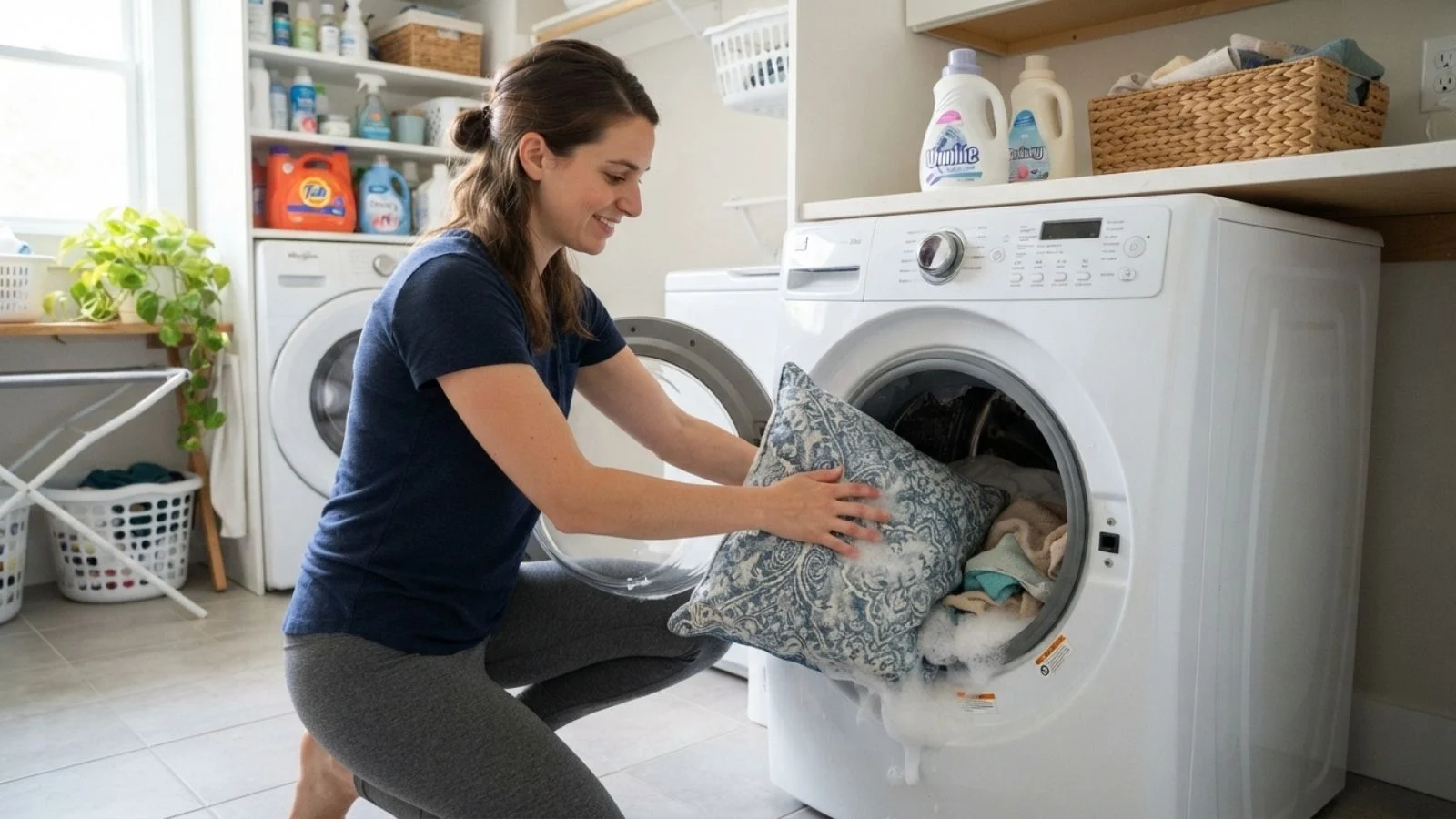
Throw pillows do more heavy lifting than we give them credit for they cushion your back on the couch, prop you up during movie nights and absorb more sweat, body oil, drool and dust than most people realise.
Yet they’re often the most neglected item in the home when it comes to cleaning tossed on for years without ever seeing the inside of a washing machine.
The truth is throw pillows need regular washing just like bedding or towels but the “how” isn’t always straightforward. Between removable covers sewn-shut designs delicate fabrics like velvet or silk and fillings ranging from polyester fiberfill to memory foam one-size-fits-all washing advice can actually damage your pillows.
This guide walks through exactly how to wash throw pillows safely no matter the fabric or filling plus how to spot-clean deodorize and dry them properly so they come out fresh, fluffy and intact.
Before You Start: Read the Care Label
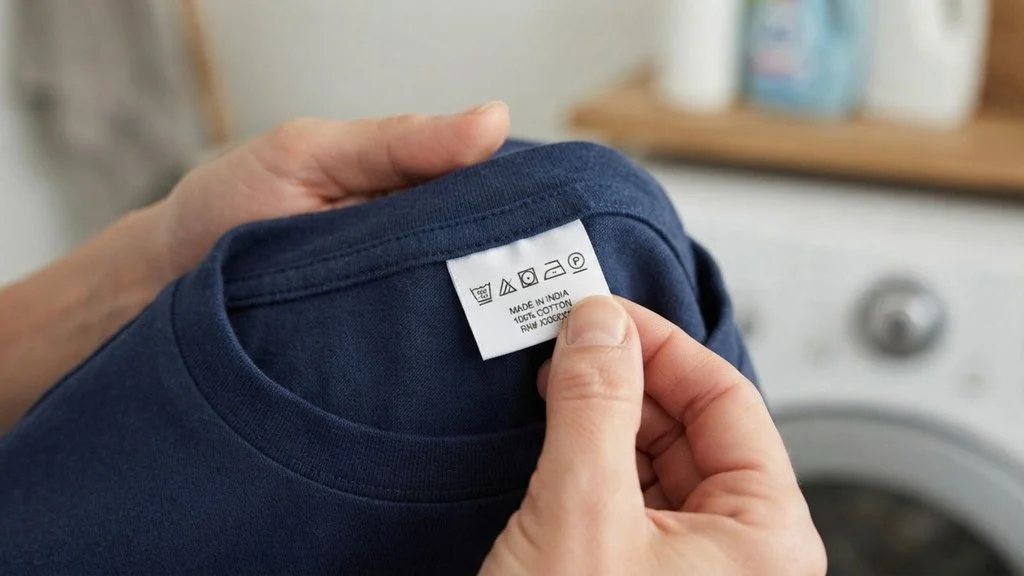
Before you throw a pillow into the wash literally take a minute to find and read its care label. This small tag can save you from shrinking a cover, feeling delicate fibers or breaking down filling that was never meant to get wet.
Most throw pillows have their care label sewn into a side seam or hidden inside the zipper opening of the cover. If you can’t find one on the pillow itself check the original packaging or the manufacturer’s website since some brands list care instructions online instead of on a physical tag.
Once you find the label you’ll typically see one of these codes:
- W – Safe to wash with water either by hand or machine using mild detergent.
- S – Solvent-clean only; water should not be used and professional dry cleaning is recommended.
- S/W – Can be cleaned with either a mild detergent and water or a solvent-based cleaner.
- X – Vacuum only; no water or solvent cleaning at all. Common for delicate or structured decorative pillows.
If your pillow has no label whatsoever don’t assume it’s machine-safe. Instead identify the fabric and filling type first (covered in the next section) , test a hidden area for colorfastness and lean toward the gentlest method available, hand washing or spot cleaning rather than risking a full machine cycle.
Identifying Your Pillow Type
Not all throw pillows are built the same and knowing what’s underneath the fabric is just as important as reading the care label. Before choosing a washing method take stock of two things: how the pillow is constructed and what it’s made of.
Cover style matters first. Some throw pillows have a removable zippered cover that slides off the insert completely; these are by far the easiest to clean since you can wash the cover on its own. Others have a sewn-shut cover with the filling permanently enclosed meaning the entire pillow has to be washed and dried as one unit which takes more care and time.
Filling type is the next factor. Polyester fiberfill is the most common and generally the most forgiving in a washing machine and dryer. Down and feather fillings require more attention since they clump when wet and need thorough drying to avoid mildew. Memory foam should never go in a washer or dryer as agitation and heat can break it down. Buckwheat hulls and foam chips should never get wet at all; only the cover should be washed.
Fabric type rounds out the picture. Sturdy fabrics like cotton and linen tolerate machine washing well while velvet silk faux fur and leather need gentler handling or professional cleaning. Identifying both filling and fabric upfront prevents surprises later and ensures you pick a method that won’t damage the pillow.
Supplies You’ll Need
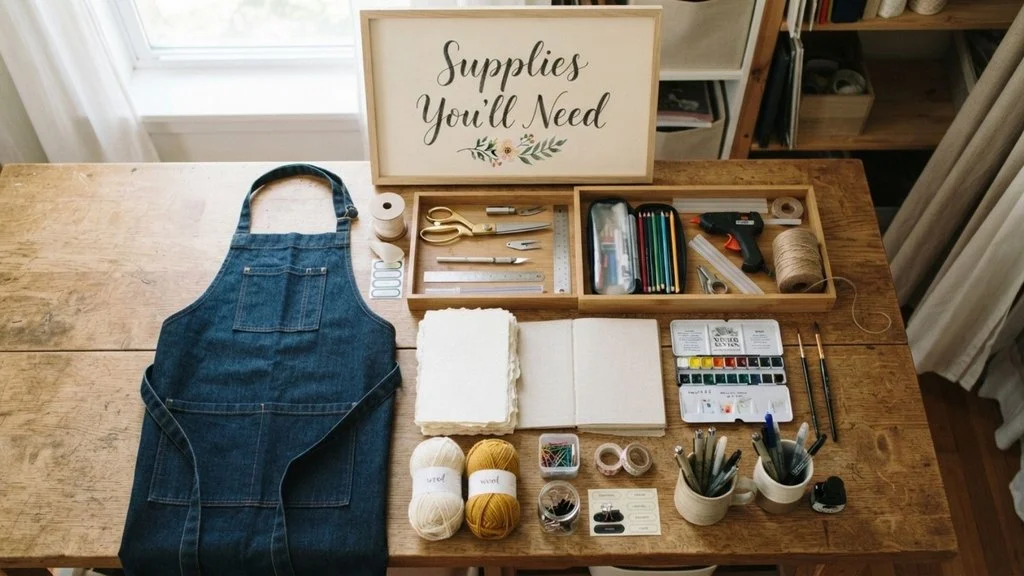
Having the right supplies on hand before you start makes the whole process smoother and helps protect your pillows from accidental damage. Most of what you need is likely already in your cleaning cabinet.
Detergent is the most important item to get right. Choose a mild pH-neutral or “gentle” formula rather than a heavy-duty or bleach-based one. Harsh detergents and enzyme cleaners can strip color weaken fibers and irritate skin on fabrics that touch your face and hands often.
Mesh laundry bags are essential if you’re machine washing covers or full pillows. They prevent zippers from snagging other fabric, protect delicate materials from friction damage and help pillows keep their shape during the spin cycle.
Stain pre-treatment products should be ready before you start since treating a stain after washing (and drying) can set it permanently. Dish soap baking soda or an enzyme-based stain remover all work well depending on the type of stain.
A soft-bristle brush is useful for working pre-treatment solutions into fabric without damaging delicate weaves like velvet or linen blends.
Dryer balls or clean tennis balls help fluff filling back into shape during drying and prevent clumping especially important for down or fiberfill pillows.
Finally a drying rack or flat well-ventilated surface gives pillows room to air dry evenly which matters most for fillings that shouldn’t go in a dryer at all.
Pre-Wash Prep
A few minutes of prep before washing can make the difference between pillows that come out looking refreshed and ones that end up with set-in stains or a lumpy uneven finish.
Start by vacuuming each pillow using the upholstery attachment on your vacuum. This removes surface dust crumbs pet hair and loose debris that would otherwise just get pushed deeper into the fabric during washing. It’s a step people often skip but it noticeably improves the end result.
Check for visible stains and treat them first. Washing over a stain without pre-treating it can actually set the stain permanently especially with heat from warm water or the dryer. Apply a small amount of dish soap, baking soda paste or enzyme cleaner directly to the spot and let it sit for a few minutes before washing.
Remove any detachable embellishments if possible such as decorative buttons, tassels , brooches or clip-on trim. These items can snag warp or fall off entirely in the wash and removing them beforehand protects both the pillow and your washing machine.
Test for colorfastness on an inconspicuous area like the underside or a hidden seam. Dab a small amount of water and detergent on the spot then blot with a white cloth. If color transfers onto the cloth that’s a sign to hand wash or spot clean only rather than risk the fabric bleeding or fading in a full wash.
Machine Washing Removable Covers
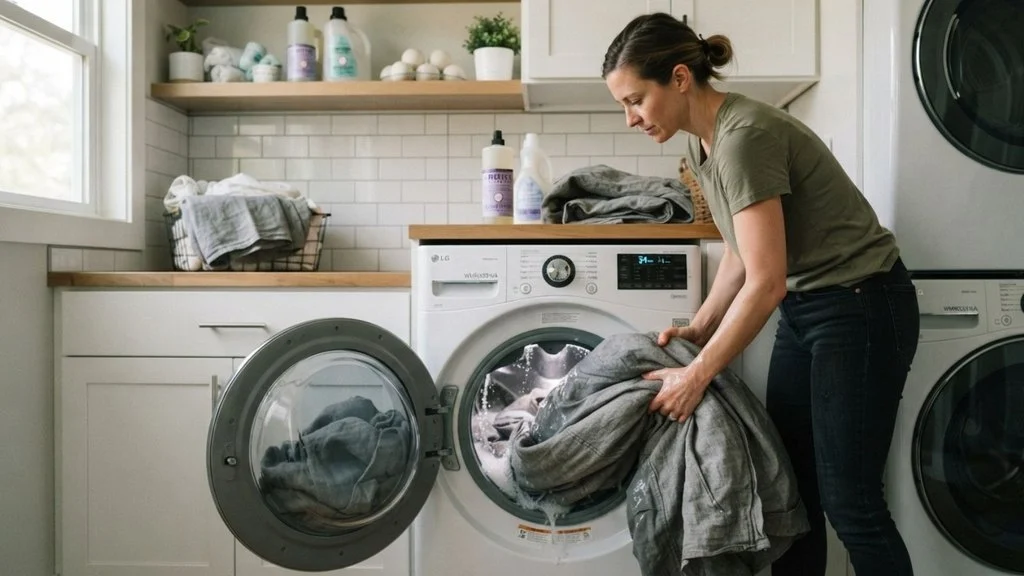
If your throw pillow has a zippered removable cover this is the easiest and safest washing method available and it’s the one most manufacturers design their pillows around.
Start by zipping the cover shut before placing it in the washer. Leaving it unzipped risks the insert (if any fabric is still attached) getting tangled or the zipper snagging on itself. Place the cover inside a mesh laundry bag for extra protection especially if you’re washing it alongside other laundry.
Choose your water temperature based on fabric type. Cotton and linen covers generally tolerate cold or warm water well while more delicate fabrics like linen blends or printed cotton should stick to cold water to prevent shrinking or fading.
Select a gentle or delicate cycle rather than a normal or heavy-duty setting. The reduced agitation protects seams, zippers and any decorative trim from excess wear.
Use a mild detergent adding it in the amount recommended for a small load throw pillow covers don’t need a full detergent measure.
For drying air drying is the safest choice for most covers especially those with color or delicate trim. If you do use a dryer, select a low-heat setting and remove the cover promptly to avoid wrinkling. Once dry a quick steam or light ironing (if fabric-appropriate) helps the cover look crisp before putting it back on the pillow.
Machine Washing Full Pillows (Cover + Insert)
If your throw pillow has a sewn-shut cover you’ll need to wash the entire pillow filling and all as one unit. This method works well for pillows filled with polyester fiberfill but requires a bit more care to get right.
Wash two pillows at a time whenever possible. A single pillow can throw off the washing machine’s balance during the spin cycle causing excess noise, vibration or even damage to the machine. Two pillows of similar size balance each other out.
Select a gentle cycle with cold or warm water depending on the fabric. Avoid hot water which can cause shrinkage or damage certain fillings.
Use a mild detergent in a moderate amount. Too much detergent is harder to rinse out completely which can leave pillows feeling stiff or smelling soapy even after drying.
Run an extra rinse cycle if your machine allows it. Fiberfill and fabric can trap detergent residue more easily than typical clothing items so a second rinse helps ensure everything comes out clean and residue-free.
Watch for pillows that aren’t machine-safe. If a pillow feels unusually heavy when wet, has a structured or stiff shape containing foam or shows any sign of the filling shifting unevenly, stop and switch to hand washing or spot cleaning instead machine washing could permanently damage the shape or filling.
Hand Washing Delicate Pillows
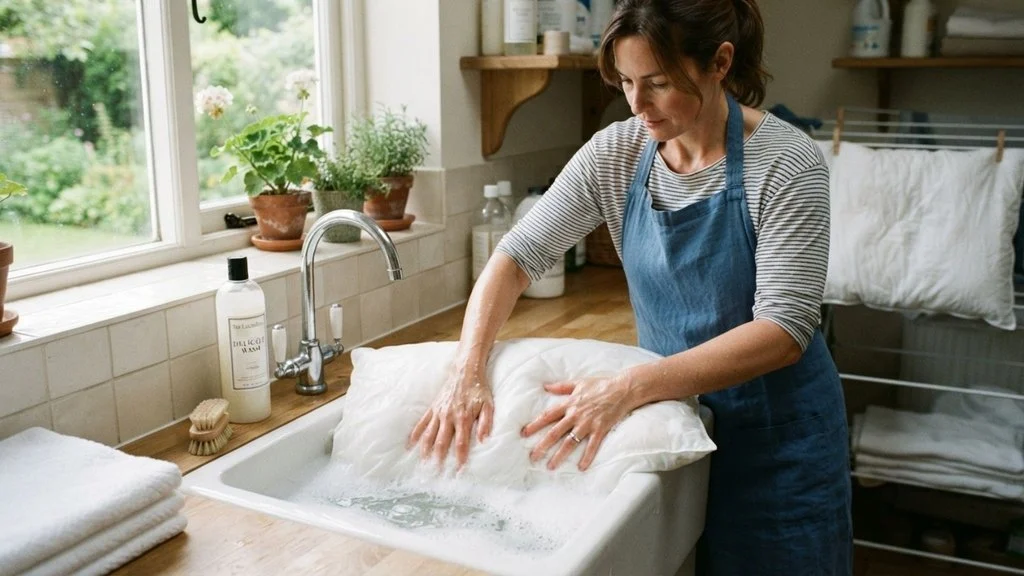
Some pillows are too delicate for a washing machine but still need more than a quick spot treatment. Hand washing offers a gentler middle ground that protects fabric trim and filling while still getting the pillow genuinely clean.
Start by filling a clean basin sink or bathtub with cool or lukewarm water depending on what the fabric can tolerate. Add a small amount of mild detergent and mix it into the water until it’s evenly dissolved rather than pouring detergent directly onto the fabric.
Submerge the pillow or cover and use a gentle kneading or pressing motion to work the soapy water through the fabric. Avoid scrubbing, twisting or wringing since these actions can distort the shape, damage delicate fibers or cause filling to shift and clump unevenly.
Pay extra attention to visibly soiled areas gently pressing the soapy water through those spots a bit longer without aggressive rubbing.
Drain the soapy water and rinse thoroughly with clean cool water. Repeat the rinse until no soap suds remain since leftover detergent can leave a stiff residue or attract dirt more quickly once dry.
To remove excess water press the pillow between clean dry towels rather than wringing it. You can roll the pillow in a towel and apply gentle pressure to draw out moisture before moving on to the drying stage.
Spot Cleaning Without a Full Wash
Not every stain or refresh requires a full wash. For small spills light odors or pillows that can’t tolerate water exposure spot cleaning is often the safer and more practical choice.
For general stains mix a few drops of dish soap with warm water to create a light suds. Dip a clean cloth into the solution and gently dab the stained area, never rubbing since rubbing can spread the stain outward or push it deeper into the fibers. Blot with a dry clean cloth afterward to lift the moisture and remaining residue.
For odor without a visible stain sprinkle baking soda generously over the affected area and let it sit for 15 to 20 minutes. Baking soda absorbs odor-causing particles naturally without leaving a residue. Vacuum it off afterward using the upholstery attachment.
For lingering musty or sweat odors a diluted vinegar solution (one part white vinegar to two parts water) can help neutralize smells. Lightly mist the area with a spray bottle being careful not to soak the fabric then let it air dry completely.
Always blot rather than scrub with any spot-cleaning method and work from the outside of the stain inward to avoid spreading it further.
Washing Special Fabrics
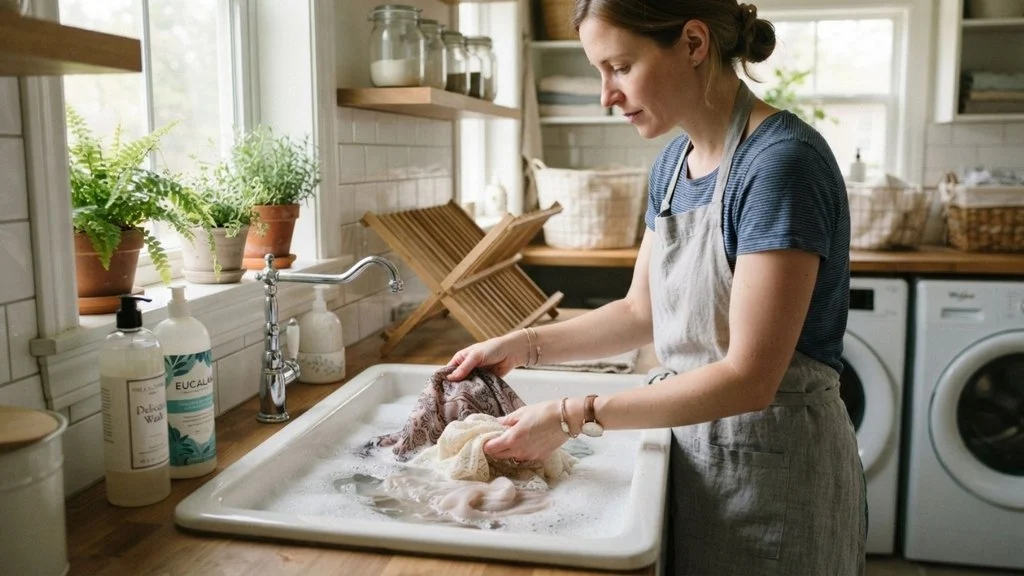
Certain fabrics demand extra care regardless of which washing method you choose. Knowing how to treat each one protects both the look and lifespan of your throw pillows.
Velvet should never be machine washed or wrung out since agitation and pressure crush its delicate pile leaving permanent flat spots. Spot clean or hand wash gently and always air dry flat brushing the nap back into place with a soft brush once dry.
Silk is best left to professional dry cleaning in almost every case. Water can cause silk to water-spot or shrink and its delicate fibers weaken significantly when wet, especially if agitated.
Faux fur should be spot cleaned whenever possible. If a full wash is necessary use cold water and the gentlest hand-washing motion then reshape and brush the fibers with a wide-tooth comb while damp to prevent matting during drying.
Leather and faux leather covers should never be submerged in water. Instead wipe them down with a damp cloth and mild soap then dry immediately with a soft towel to prevent water spots or cracking.
Outdoor and water-resistant fabrics like those used for patio cushions can typically handle mild soap and water washing followed by full air drying. After drying, consider reapplying a fabric water-repellent spray to restore the material’s weather resistance since washing can strip this protective coating over time.
Washing Special Fillings
The filling inside your throw pillow often matters even more than the fabric outside it. Choosing the wrong washing or drying method for a specific filling type can permanently ruin its shape, texture or safety.
Down and feather pillows require extra caution. These fillings clump together when wet and take significantly longer to dry than synthetic alternatives. If left even slightly damp they’re prone to developing mold or a musty odor inside the pillow where it’s hard to detect. Use a low-heat extended dryer cycle with a few dryer balls tossed in to break up clumps and check thoroughly for dampness before considering the pillow.
Memory foam should never go in a washing machine or dryer under any circumstance. The agitation from washing can tear the foam’s cell structure while dryer heat can melt or warp it entirely. Memory foam inserts should be hand washed gently if at all and always air dried completely out of direct sunlight.
Buckwheat hulls should never get wet. Water causes the hulls to swell, rot or grow mold and they can’t be effectively dried once soaked. Only the removable cover should be washed; the hulls themselves should be cleaned by airing out or lightly vacuuming from a distance.
Polyester fiberfill is the most forgiving filling for both machine washing and drying tolerating moderate heat and agitation without losing shape as easily as natural or foam alternatives.
Drying Thoroughly (Critical Step)
Drying is arguably the most important step in the entire washing process yet it’s the one most people rush. A pillow that looks dry on the outside can still be damp at its core creating the perfect environment for mold and mildew to develop unnoticed.
Always check the center of the pillow not just the surface before considering it fully dry. Press firmly into the middle of the pillow if it feels cool, heavy or damp compared to the outer edges it needs more drying time. This is especially critical for full pillows washed with their filling intact.
Use dryer balls or clean tennis balls during machine drying to help fluff filling and break up clumps as the pillow tumbles. This is particularly useful for down feather and fiberfill pillows which tend to compact and clump when wet.
For fillings that can’t go in the dryer like memory foam or delicate fabrics, air drying on a flat well-ventilated surface is necessary. Flip and reposition the pillow every few hours to promote even drying on all sides.
Sun-drying offers added benefits beyond just speeding up the process. Natural sunlight helps kill bacteria, neutralize lingering odors and brighten white or light-colored fabrics naturally.
Drying times vary significantly by filling type fiberfill pillows may dry within a few hours while down or feather pillows can take a full day or more to dry completely throughout.
Removing Tough Stains
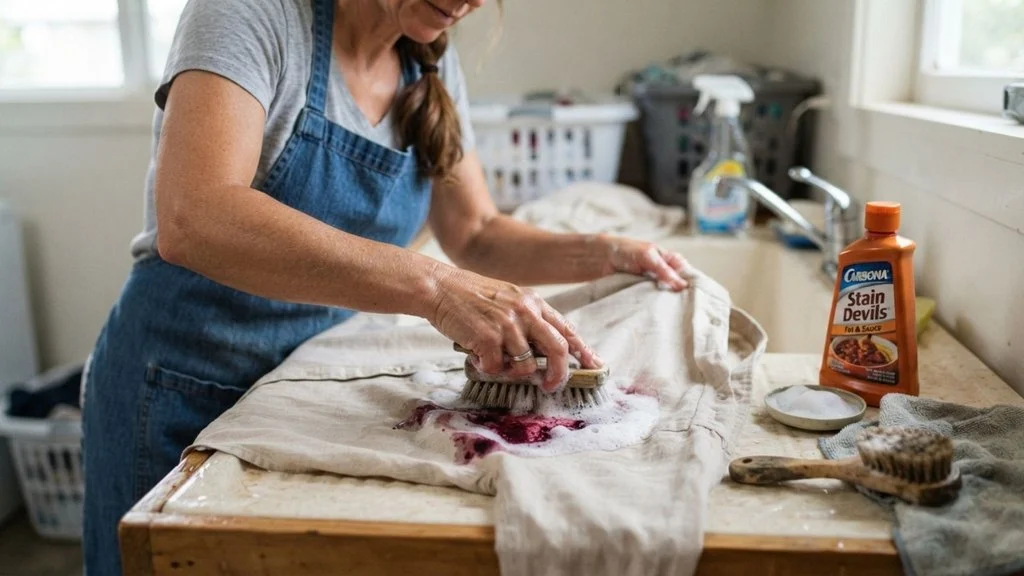
Some stains need more targeted treatment than a standard wash cycle can provide. Identifying the type of stain first helps you choose the most effective approach without damaging the fabric.
Yellow or sweat stains typically build up on pillows that support your head or neck. Mix equal parts white vinegar and water, apply it to the stained area and let it sit for 10–15 minutes before washing. For tougher discoloration a paste of baking soda and water can be applied directly and gently worked into the fabric before rinsing.
Grease and oil stains respond well to a small amount of dish soap since it’s specifically designed to break down grease. Apply directly to the stain, let it sit for a few minutes and gently work it in with a soft brush before washing as usual.
Pet stains and odors often need an enzyme-based cleaner which breaks down the organic compounds causing both the stain and smell rather than just masking them. Apply according to the product’s instructions and allow it to fully absorb before washing.
Mildew stains should be treated with a mix of white vinegar and water since vinegar’s acidity helps kill mold spores. Always ensure the pillow dries completely afterward to prevent the mildew from returning.
Deodorizing Without Washing
Sometimes a pillow just needs a quick refresh between full washes rather than another trip through the machine. These methods tackle odor without exposing fabric or filling to excess moisture.
The baking soda sprinkle method is one of the simplest and most effective options. Generously dust baking soda over the entire surface of the pillow focusing on any areas with noticeable odor. Let it sit for at least 20–30 minutes or longer for stronger smells then vacuum thoroughly using the upholstery attachment. Baking soda absorbs odor molecules rather than just covering them up.
A vodka and water spray works as a natural deodorizer because the alcohol content kills odor-causing bacteria without leaving a strong scent behind once it evaporates. Mix equal parts vodka and water in a spray bottle lightly mist the pillow’s surface and let it air dry completely in a well-ventilated area.
Sunlight airing is an easy no-cost option. Set pillows outside on a dry sunny day for a few hours. UV rays naturally help kill bacteria and neutralize musty smells while fresh air helps release trapped odors from the fabric and filling.
Fabric refresher sprays offer a quick fix whether store-bought or homemade. A simple DIY version combines water, a few drops of essential oil and a splash of rubbing alcohol in a spray bottle giving pillows a light pleasant scent between washes without any need for water exposure.
How Often You Should Wash Throw Pillows
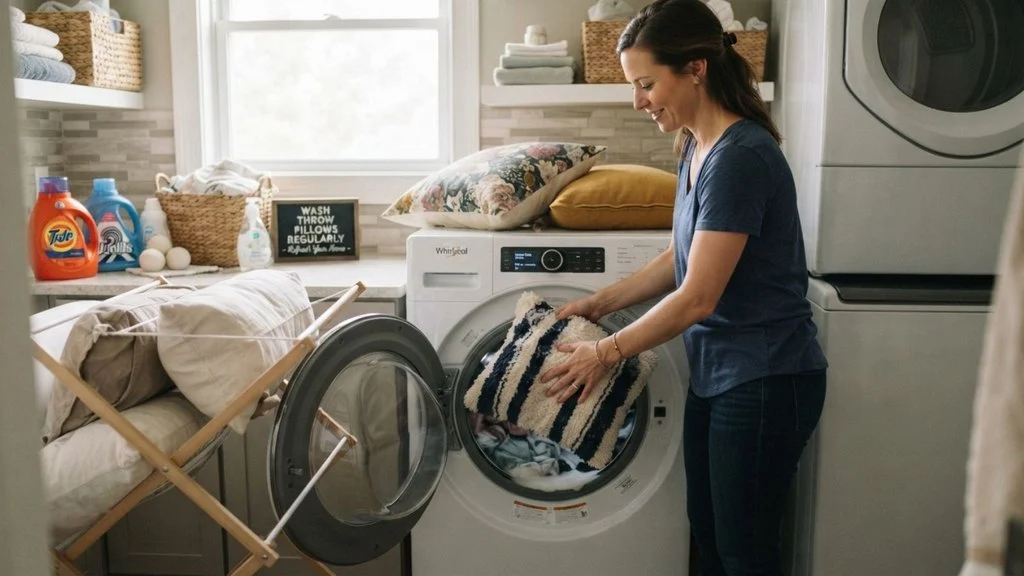
There’s no single rule for how often throw pillows need washing since it depends heavily on how they’re used and what’s inside them but general guidelines can help you build a realistic routine.
Removable covers should ideally be washed every one to two months for pillows in regular use similar to how often you’d wash a pillowcase on your bed. Covers on decorative pillows that see less daily contact can often stretch to every three months.
Full pillows with sewn-in fillings don’t need washing as frequently since the filling itself doesn’t accumulate oils and sweat the way a cover does. Washing every three to six months is typically sufficient for pillows in normal household use.
Several factors can increase how often you should wash including homes with pets that shed or track in dirt households with young children who frequently touch or drool on pillows allergy suffers who benefit from more frequent dust mite removal and pillows placed in high-traffic areas like a living room sofa versus a rarely-used guest room.
Watch for signs that washing is overdue rather than relying solely on a calendar. A noticeable odor even after airing out visible stains or discoloration or filling that feels flattened and less supportive than it used to are all clear indicators it’s time for a wash regardless of how much time has passed since the last one.
Common Mistakes to Avoid
Even with good intentions a few common missteps can turn a routine wash into a costly mistake. Knowing what to avoid helps protect your pillows’ shape, color and lifespan.
Using hot water on delicate fabrics is one of the most frequent errors. Hot water can cause shrinkage fading and fiber damage especially on cotton blends, linen or anything with printed designs. Unless the care label specifically allows it, cold or lukewarm water is the safer default.
Skipping the mesh laundry bag might seem like an unnecessary extra step but it leaves zippers free to snag on other fabric pillow shapes vulnerable to distortion during the spin cycle and delicate trim exposed to unnecessary friction.
Not drying thoroughly is arguably the most damaging mistake of all. A pillow that feels dry on the outside but remains damp at its core creates ideal conditions for mold and mildew often without any visible warning until the smell becomes obvious.
Ignoring the care label entirely removes the built-in guardrails manufacturers provide. Skipping this step increases the risk of using an incompatible washing method for the specific fabric or filling inside.
Washing embellished or trim-heavy pillows without protection such as those with beading sequins tassels or delicate lace without removing detachable pieces or using a mesh bag can result in torn embellishments, snagged fabric or damage to the washing machine itself.
When to Skip Washing Entirely (Professional Cleaning or Replacement)
Not every throw pillow situation calls for a DIY wash. Some pillows are better left to professionals and others may simply need to be replaced rather than repeatedly cleaned.
Non-washable fabrics are the clearest case for skipping a home wash altogether. Certain silks structured decorative fabrics and pillows with a care label marked “S” or “X” are specifically designed to avoid water exposure. Attempting to wash these at home risks permanent water spots shrinkage or fiber damage that can’t be undone.
Leather and some faux leather pillows also fall into this category since even careful wiping has limits when deeper cleaning or conditioning is needed. A professional upholstery cleaner has the tools and products to clean and recondition leather without cracking or discoloring it.
Severely damaged or moldy pillows are often not worth saving. If mold has spread deep into the filling, if the fabric has deteriorated to the point of tearing or if odors persist even after multiple cleaning attempts, replacement is usually more practical and safer for indoor air quality than continued washing.
Professional upholstery cleaning is worth considering for high-value decorative pillows, antique or heirloom pieces or pillows with intricate embellishments like beading or embroidery that a home wash could damage. While it costs more upfront professional cleaning can extend the life of pillows that would otherwise be risky to wash yourself.
Frequently Asked Questions
Can you throw pillows in the washing machine?
Yes most throw pillows with polyester fiberfill or removable cotton/linen covers can be machine washed on a gentle cycle with cold or warm water. Always check the care label first and use a mesh laundry bag to protect zippers and shape. Delicate fabrics like silk or memory foam inserts should avoid the machine entirely.
How do you dry a throw pillow fast?
The quickest method is a low-heat dryer cycle with a few dryer balls or tennis balls added to help fluff the filling and speed up drying. Placing pillows in a warm sunny spot outdoors can also accelerate air drying. Avoid high heat which can damage filling or shrink fabric.
Can you throw pillows in the dryer?
Polyester fiberfill and most down or feather pillows can typically go in the dryer on low heat. However memory foam should never be placed in a dryer as heat can melt or warp the foam permanently.
Do throw pillows shrink when washed?
Shrinkage is possible especially with hot water or high heat drying on natural fibers like cotton or linen. Using cold water and air drying or low-heat tumble drying significantly reduces this risk.
How do you get the musty smell out of throw pillows?
A combination of thorough drying baking soda treatments and sunlight exposure usually resolves musty odors. If the smell persists the pillow may have trapped moisture inside which could indicate mold growth requiring deeper cleaning or replacement.
Conclusion
Washing throw pillows doesn’t have to be complicated once you understand the basics: check the care label, identify the fabric and filling and choose the method that matches both.
A quick glance at that small tag can save you from shrinking a cover clumping the filling or damaging fabric that was never meant to touch water.
For pillows with removable covers machine washing is usually the simplest route. Sewn-shut pillows require a bit more care and delicate fabrics like silk velvet or leather are often better handled with hand washing spot cleaning or professional attention.
If method you choose thorough drying matters just as much as the wash itself. A pillow that stays even slightly damp at its core can develop mold or mildew that’s difficult to reverse.
Beyond full washes, small habits go a long way toward keeping pillows fresh between cleanings. Regular vacuuming baking soda treatments and the occasional afternoon in direct sunlight can extend the time between deep cleans while keeping odors and allergens at bay.