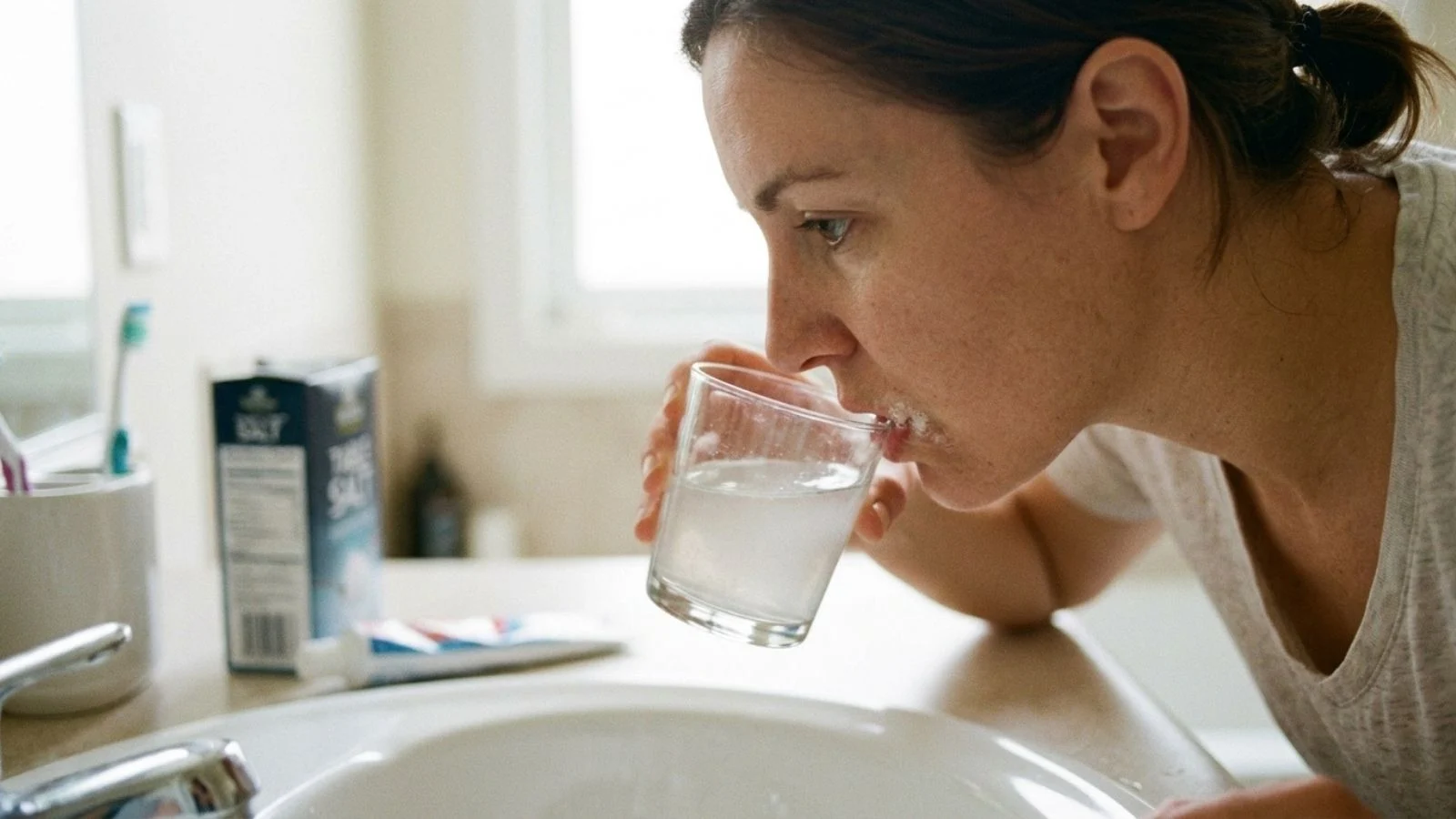
There’s a good chance you’re reading this because your gums are sore right now, maybe from brushing a little too hard, recovering from a dental cleaning or dealing with the early stages of gum irritation.
And somewhere along the way someone told you to rinse with warm salt water. It’s advice that’s been passed down for generations and dentists still recommend it today but it naturally raises the question: how long until it actually works?
The truth is there’s no single answer. Salt water can bring noticeable relief in as little as a day or two for minor irritation while more involved issues like gingivitis or post-procedure healing can take one to two weeks of consistent rinsing.
In this article we’ll break down exactly what to expect, why salt water works the way it does and how to use it correctly to get the fastest results.
How Long Does It Take?

If you just want the short version here’s what you can expect based on the underlying cause of your gum discomfort:
- Minor irritation (from brushing too hard a small cut or mild soreness): 1 to 3 days of noticeable improvement with consistent rinsing.
- Gingivitis or mild gum inflammation: 1 to 2 weeks of steady rinsing paired with good oral hygiene before you see real change.
- Post-procedure healing (after a tooth extraction or deep cleaning): timelines vary widely depending on the procedure but salt water is often recommended starting 24 hours after surgery and continued for several days to a couple of weeks as part of the recovery process.
- Gum abscess or infection: salt water can ease discomfort but it will not resolve the underlying infection this requires a dentist regardless of how long you rinse.
The key thing to understand is that salt water works best as a supportive remedy. It reduces bacteria calms inflammation and keeps the area clean which creates better conditions for your gums to heal on their own. It doesn’t actively repair tissue or cure an infection by itself.
So if you’re dealing with something minor a few days of rinsing 2-3 times daily should bring visible relief. If you’re not seeing any improvement within a week or two that’s your signal to stop relying on salt water alone and see a dental professional instead.
Why Salt Water Works on Gums (The Science)
Salt water isn’t just an old wives’ tale, there’s real science behind why it helps gum tissue heal. Understanding the mechanism can also help you use it more effectively.
Osmosis and fluid drainage. Salt water is hypertonic meaning it has a higher salt concentration than the fluid inside your cells. When you rinse this concentration difference draws excess fluid out of swollen gum tissue through a process called osmosis. Less fluid buildup means less swelling and less pressure-related pain.
Antibacterial effect. Many of the bacteria responsible for gum irritation and infection struggle to survive in a salty environment. Salt disrupts the balance bacteria need to multiply which can slow down or reduce harmful bacterial growth in your mouth.
pH balancing. A saltwater rinse temporarily raises the pH level in your mouth making it less acidic. Since many oral bacteria thrive in acidic conditions this shift creates a less favorable environment for them to flourish.
Mechanical flushing. Beyond the chemistry simply swishing liquid around your mouth physically dislodges food particles plaque and debris trapped near the gumline or in wounds areas that can otherwise become breeding grounds for bacteria if left undisturbed.
Anti-inflammatory support. Together these effects reduce the overall inflammatory response in gum tissue which is often what’s driving the pain redness and tenderness you’re feeling.
Factors That Affect Healing Time
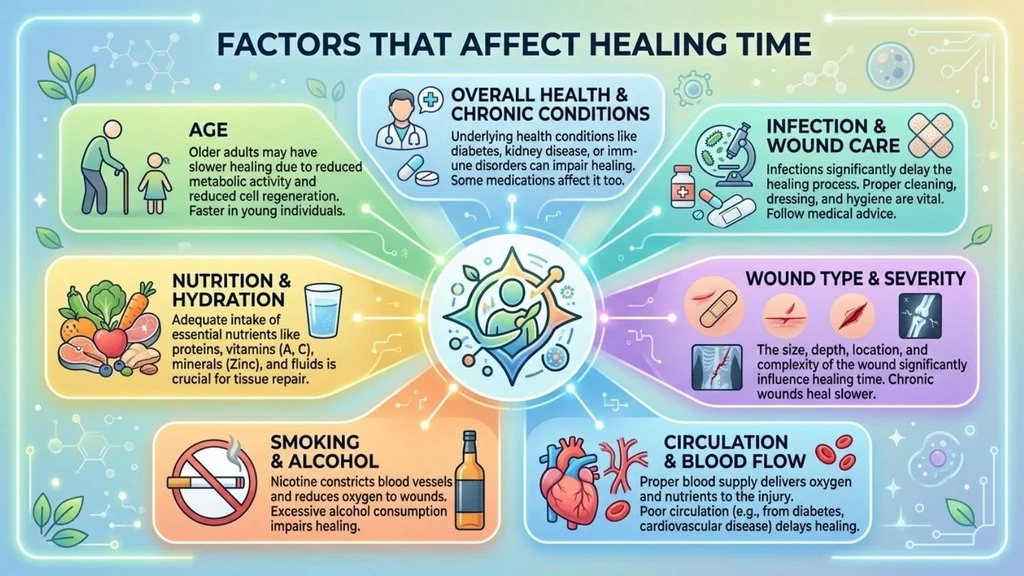
Not everyone will see the same results on the same timeline. Several variables influence how quickly your gums respond to salt water rinsing.
Severity and cause of the issue. A small irritation from brushing too hard will heal much faster than gingivitis, an abscess or a surgical wound. The underlying cause matters more than the remedy itself.
Rinsing frequency and consistency. Rinsing 2-3 times daily every day produces far better results than sporadic use. Skipping days or rinsing only when you remember slows progress considerably.
Salt-to-water ratio. Using too little salt reduces effectiveness while using too much can actually irritate and dry out already-sensitive tissue working against healing rather than for it.
Overall oral hygiene habits. Salt water works best alongside proper brushing and flossing. If plaque and bacteria continue building up between rinses healing will be slower or may stall entirely.
Underlying health conditions. Conditions like diabetes autoimmune disorders or a generally weakened immune system can slow gum healing regardless of how diligently you rinse. Smoking also significantly impairs gum tissue recovery.
Age and individual healing rate. Just like skin gum tissue heals at different speeds depending on age, genetics and general health.
Type of irritation. Mechanical irritation (like a cut or abrasion) tends to heal faster than bacterial inflammation (like gingivitis) since the latter requires ongoing bacterial control rather than just tissue repair.
Understanding which of these factors applies to your situation can help set realistic expectations for your specific case.
Healing Timeline by Condition (Detailed Breakdown)
Canker sores or minor cuts on gums. These typically respond fastest to salt water often showing noticeable improvement within 2-4 days. Rinsing 2-3 times daily helps keep the area clean and reduces the sting associated with these sores.
Gum irritation from brushing or flossing too hard. This is mechanical damage rather than infection so it usually heals quickly often within 1-3 days once you also correct the technique causing it.
Gingivitis (early-stage gum disease). Since this involves ongoing bacterial buildup along the gumline it takes longer: expect 1-2 weeks of consistent rinsing combined with improved brushing and flossing before redness and bleeding noticeably subside.
Post-tooth extraction. Dentists often recommend waiting 24 hours before rinsing then using gentle salt water rinses several times a day for about a week to keep the socket clean and support healing without disrupting the blood clot.
Post-deep cleaning (scaling and root planing). Gums are often tender and slightly inflamed afterward. Salt water rinses over 3-7 days can meaningfully ease discomfort and support tissue recovery.
Gum abscess. Salt water can reduce pain and encourage some drainage but it cannot resolve the infection at the root of an abscess. This always requires professional treatment regardless of rinsing duration.
Teething-related gum soreness. While salt water isn’t typically used for infant teething, older children and adults with erupting wisdom teeth may find mild diluted rinses soothing for a few days during eruption discomfort.
Day-by-Day Expectations
Knowing what to expect at each stage can help you gauge whether your healing is on track or whether it’s time to seek further care.
Day 1-2. During this initial period you’ll likely notice temporary relief immediately after each rinse, slightly less throbbing, a bit less swelling and a cleaner feeling in the affected area. This is mostly short-term symptom relief rather than actual tissue healing yet since the osmotic and antibacterial effects are just beginning to work on the underlying irritation.
Day 3-5. For minor issues like small cuts, mechanical irritation or mild canker sores this is typically when real improvement becomes visible. Redness starts to fade, swelling decreases more noticeably and tenderness when eating or brushing lessens significantly.
Week 1-2. This is the realistic window for more involved conditions gingivitis post-extraction recovery or healing after a deep cleaning. By the end of this period you should see a clear reduction in bleeding inflammation and discomfort if you’ve been rinsing consistently and maintaining good oral hygiene alongside it.
Beyond 2 weeks. If you’ve been diligent with rinsing and proper oral care but aren’t seeing meaningful improvement by this point, that’s a strong signal that salt water alone isn’t enough. Persistent symptoms beyond two weeks often indicate an underlying issue like an infection, advanced gum disease or a complication that requires professional evaluation rather than continued home treatment.
How to Make and Use a Salt Water Rinse Correctly
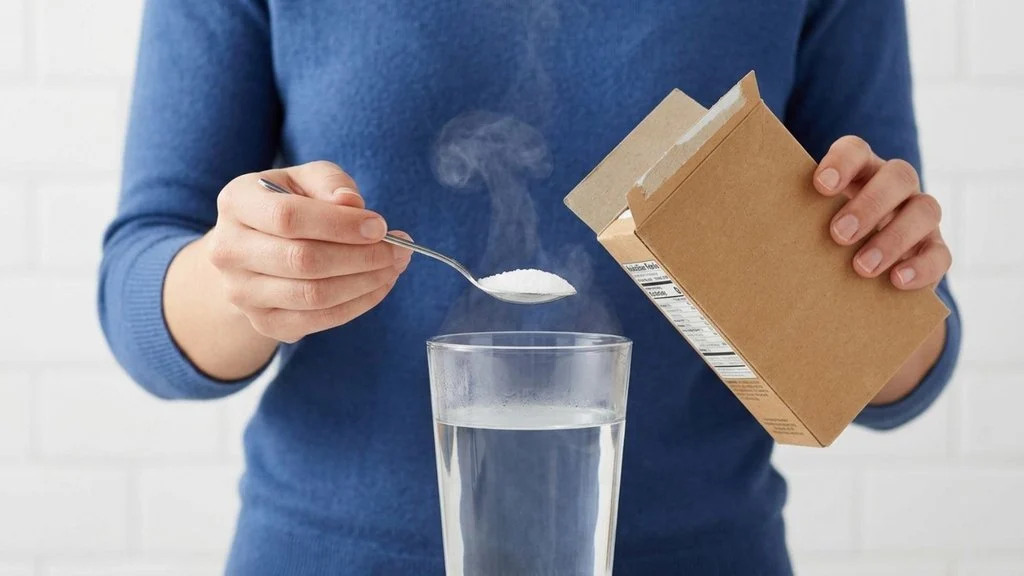
Getting the technique right makes a real difference in how effective and comfortable your rinsing is.
The ideal ratio. Mix 1/2 teaspoon of salt into 8 ounces (1 cup) of warm water. This concentration is strong enough to be antibacterial and draw out fluid but gentle enough not to irritate soft tissue. Avoid the temptation to add more salt thinking it’ll work faster too much can actually dehydrate and damage gum tissue.
Water temperature. Use warm, not hot water. Warm water dissolves salt more thoroughly and feels soothing against inflamed tissue while water that’s too hot can aggravate sensitive or already-damaged gums.
Rinsing technique. Take a mouthful and swish gently for about 30 seconds directing the liquid toward the affected area rather than swallowing or rinsing aggressively. Aggressive swishing can dislodge healing tissue or in post-extraction cases disturb the blood clot.
Frequency. Rinse 2-3 times a day for general irritation or up to 4 times daily if recommended by your dentist after a procedure. More isn’t necessarily better: over-rinsing can dry out oral tissue and slow healing rather than speed it up.
Timing. Rinsing after meals helps clear food debris while a final rinse before bed ensures your mouth stays clean overnight when saliva production naturally decreases.
Spit, don’t swallow. Always spit out the rinse rather than swallowing it particularly if you’re monitoring sodium intake.
Salt Water vs. Other Remedies/Rinses
Salt water is far from the only option for gum discomfort and understanding how it compares to alternatives can help you decide what’s right for your situation.
Salt water vs. mouthwash. Alcohol-based mouthwashes can be effective antibacterials but the alcohol content often dries out and irritates already-sensitive gum tissue, sometimes prolonging discomfort. Non-alcohol mouthwashes are gentler but typically cost more and offer similar benefits to salt water for minor irritation. Salt water remains the simpler cheaper choice for everyday use.
Salt water vs. hydrogen peroxide rinses. Diluted hydrogen peroxide is a stronger antibacterial and can help with more stubborn inflammation or minor infections but it’s harsher on tissue and isn’t recommended for daily long-term use the way salt water is. It’s often used as a short-term more aggressive option rather than a first choice.
Salt water vs. baking soda rinses. Baking soda neutralizes acid and can help balance oral pH similar to salt water but it lacks the same osmotic fluid-drawing effect. Some people combine both a pinch of baking soda with salt water for a rinse that addresses both acidity and swelling.
When to combine remedies. For minor day-to-day irritation salt water alone is usually sufficient. For more stubborn inflammation alternating salt water with a dentist-approved antibacterial rinse can offer more complete coverage. Always check with a dentist before combining remedies long-term especially after a procedure.
Who Should Be Cautious with Salt Water Rinses
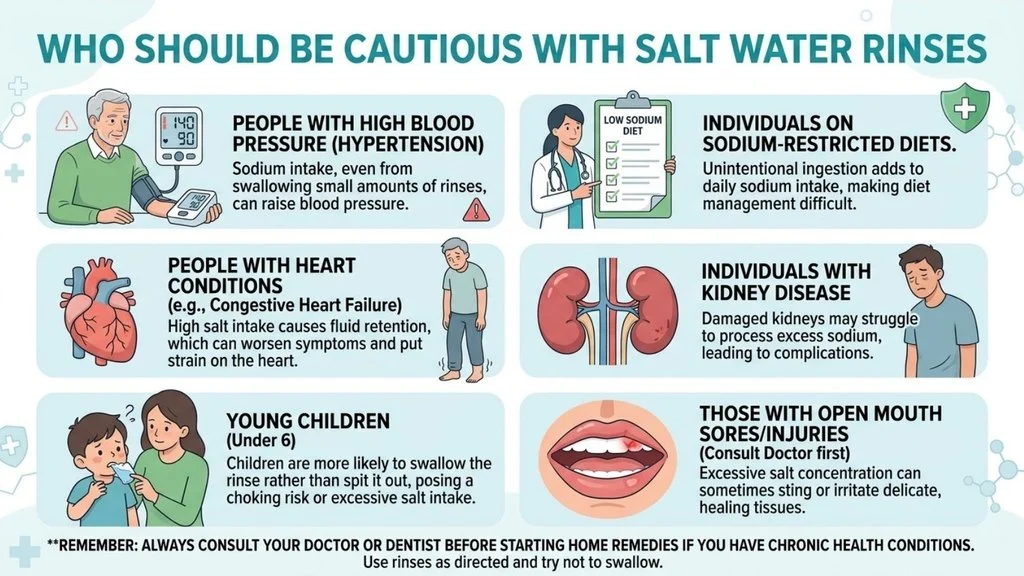
While salt water is generally safe it isn’t the right choice for everyone and a few groups should use it carefully or avoid it altogether.
People with high blood pressure. Although you’re meant to spit out the rinse rather than swallow it, small amounts of salt can still be absorbed through the mouth’s tissue or accidentally ingested. Anyone managing sodium intake closely for blood pressure or heart-related conditions should check with their doctor before making salt water rinsing a regular habit.
Young children. Kids often struggle to reliably swish and spit without swallowing which makes salt water rinses risky for young children. It’s generally better suited for older children who can follow instructions and adults.
People with dry mouth (xerostomia). Since salt has a drying effect, those already dealing with reduced saliva production may find that salt water rinses make dryness and irritation worse rather than better.
Recent extraction sites. Timing matters significantly here. Rinsing too soon after a tooth extraction typically within the first 24 hours can dislodge the protective blood clot and lead to a painful complication called dry socket. Always follow your dentist’s specific timeline rather than starting rinses immediately.
Anyone with open wounds beyond the gums. If irritation extends to the cheeks, tongue or throat, salt water can sting significantly more and may not be appropriate without a doctor’s guidance.
Signs Salt Water Isn’t Working / When to See a Dentist
Salt water is a helpful home remedy but it has limits. Knowing when to stop relying on it and seek professional care can prevent a minor issue from becoming a serious one.
Worsening pain or swelling after 3-4 days. If your symptoms are getting worse rather than better despite consistent rinsing this suggests the underlying cause is more significant than simple irritation, possibly an infection that needs treatment beyond home care.
Persistent bleeding. Occasional light bleeding while brushing can be normal with mild gingivitis but bleeding that continues or worsens despite good oral hygiene and rinsing is a sign your gums need professional attention.
Pus fever or a bad taste that won’t go away. These are classic signs of infection. Pus draining from the gumline a persistent foul taste or fever alongside gum pain point toward an abscess or infection that salt water cannot resolve on its own.
Loose teeth or gum recession. These are signs of more advanced gum disease affecting the structures that support your teeth. This requires a dentist’s evaluation and likely treatment beyond at-home remedies.
Pain severe enough to interfere with eating or sleeping. If discomfort is disrupting your daily life despite consistent care, that level of pain typically signals something requiring professional diagnosis and treatment such as an infection, abscess or impacted tooth.
Complementary Habits to Speed Healing
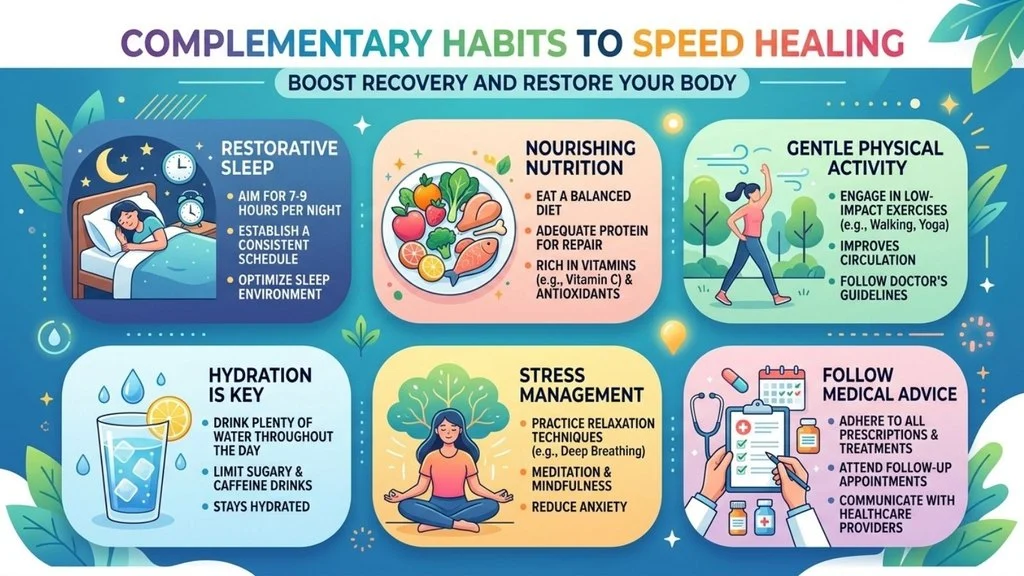
Salt water works best as part of a broader routine rather than as a standalone fix. Pairing it with good habits can noticeably speed up recovery.
Gentle brushing technique. Aggressive brushing is one of the most common causes of gum irritation in the first place. Use short gentle strokes at a 45-degree angle to the gumline rather than scrubbing hard which can reopen irritation you’re trying to heal.
Soft-bristle toothbrush. Switching to a soft-bristle brush reduces trauma to already-sensitive gum tissue. Medium or hard bristles can undo the progress your salt water rinses are making especially during an active healing period.
Diet adjustments. Spicy acidic and very hard or crunchy foods can irritate healing gum tissue and slow recovery. Sticking to softer milder foods for a few days especially after a procedure gives your gums a better chance to heal undisturbed.
Staying hydrated. Drinking enough water supports natural saliva production which plays its own role in washing away bacteria and keeping oral tissue healthy. Dehydration can work against the very benefits you’re trying to get from rinsing.
Avoiding tobacco and alcohol. Both substances are known to significantly slow gum healing and increase inflammation. Smoking in particular restricts blood flow to gum tissue which is essential for repair making it one of the most damaging habits during a healing period.
Combining these habits with regular salt water rinsing creates the best possible environment for your gums to recover as quickly as your specific condition allows.
Frequently Asked Questions
Can I use salt water too often?
Yes. While 2-3 times daily is generally safe and effective, rinsing excessively (more than 4 times a day) can dry out and irritate gum tissue working against healing rather than supporting it. More isn’t better here consistency matters more than frequency.
Is sea salt better than table salt?
Not meaningfully. Both dissolve similarly in water and provide the same osmotic and antibacterial benefits. Sea salt is often marketed as more “natural” but for oral rinsing purposes plain table salt works just as well.
Can salt water fix receding gums?
No. Gum recession involves the gum tissue pulling back from the tooth often due to advanced gum disease, aggressive brushing or genetics. Salt water can support overall gum health but it cannot regenerate lost gum tissue. This requires professional treatment sometimes including procedures like gum grafting.
How soon after a tooth extraction can I rinse with salt water?
Most dentists recommend waiting at least 24 hours after an extraction before rinsing to avoid disturbing the protective blood clot that forms in the socket. After that gentle rinsing several times a day is often encouraged for about a week.
Does salt water whiten teeth or just help gums?
Salt water is not a whitening treatment. Its benefits are limited to reducing bacteria, calming inflammation and supporting gum tissue; it has no meaningful effect on tooth color or stain removal.
Conclusion
Salt water has earned its place as a trusted home remedy for a reason: it’s simple, inexpensive and genuinely effective at supporting gum healing when used correctly. For minor irritation you can expect to see improvement within just 1 to 3 days.
For more involved issues like gingivitis or post-procedure recovery a realistic timeline is closer to 1 to 2 weeks of consistent rinsing paired with good oral hygiene habits.
What’s important to remember is that salt water works by supporting your body’s natural healing process, reducing bacteria, easing inflammation and keeping the area clean rather than actively repairing damaged tissue or curing an infection on its own. It’s a helper not a cure.
If you follow the proper ratio of 1/2 teaspoon of salt to 8 ounces of warm water, rinse gently 2-3 times daily and pair it with gentle brushing and good oral care.
Most minor gum issues should show clear signs of improvement within the timelines outlined in this article.