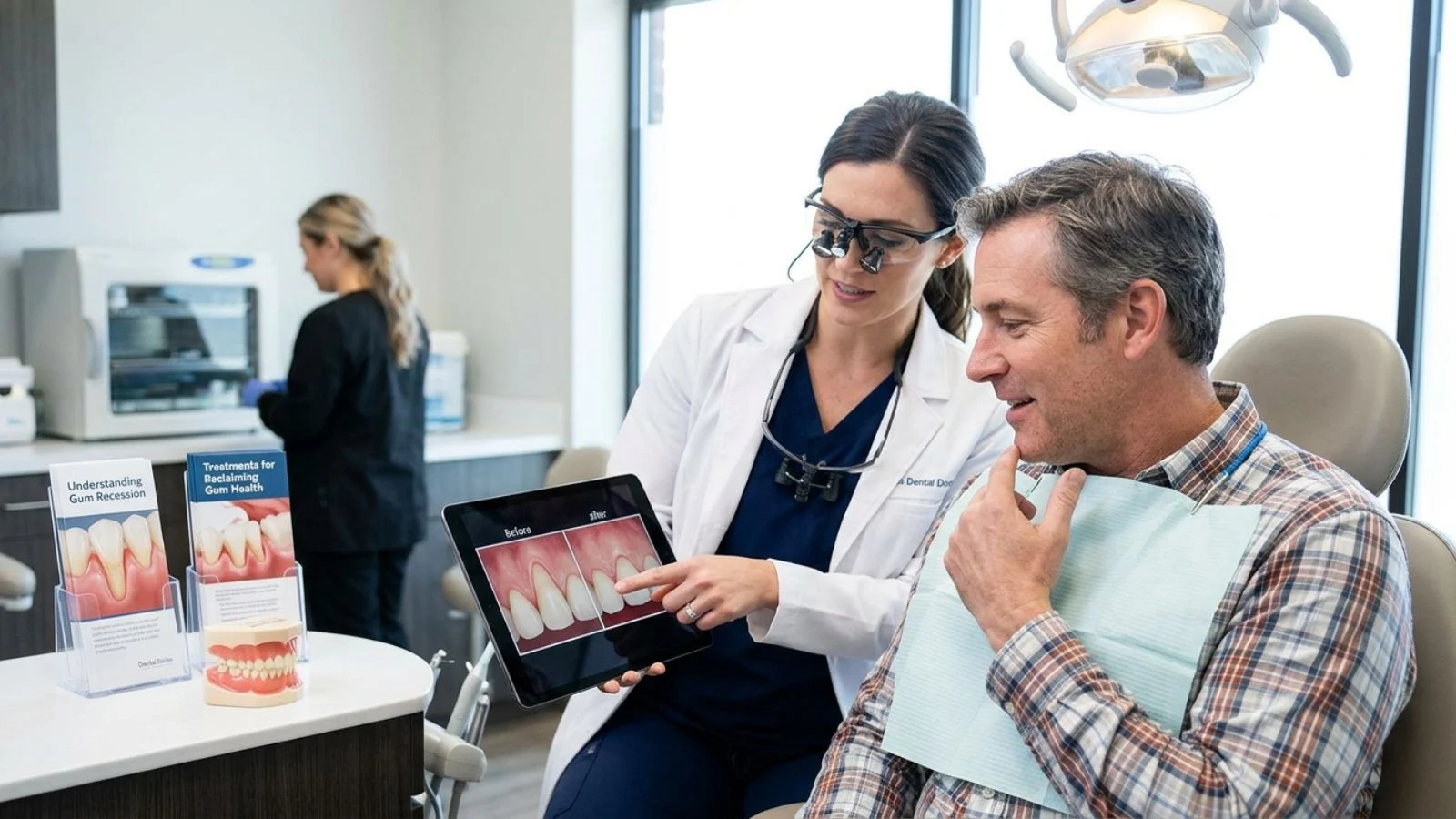
If you’ve noticed your teeth looking a little longer than they used to or you’ve felt a twinge of sensitivity when you sip something cold you might be dealing with receding gums and you’re probably wondering if there’s a way to fix it.
It’s one of the most searched dental concerns out there and for good reason: gum recession is common, it tends to creep up slowly and once you notice it it’s natural to want it gone.
Here’s the honest truth before we go any further: gum tissue that has already receded generally won’t grow back on its own.
But that doesn’t mean you’re out of options. Recession can be stopped in its tracks and in many cases lost tissue can be restored with the right treatment.
This guide walks through exactly how from at-home habits to professional procedures so you know what’s realistic and what actually works.
What Is Gum Recession?
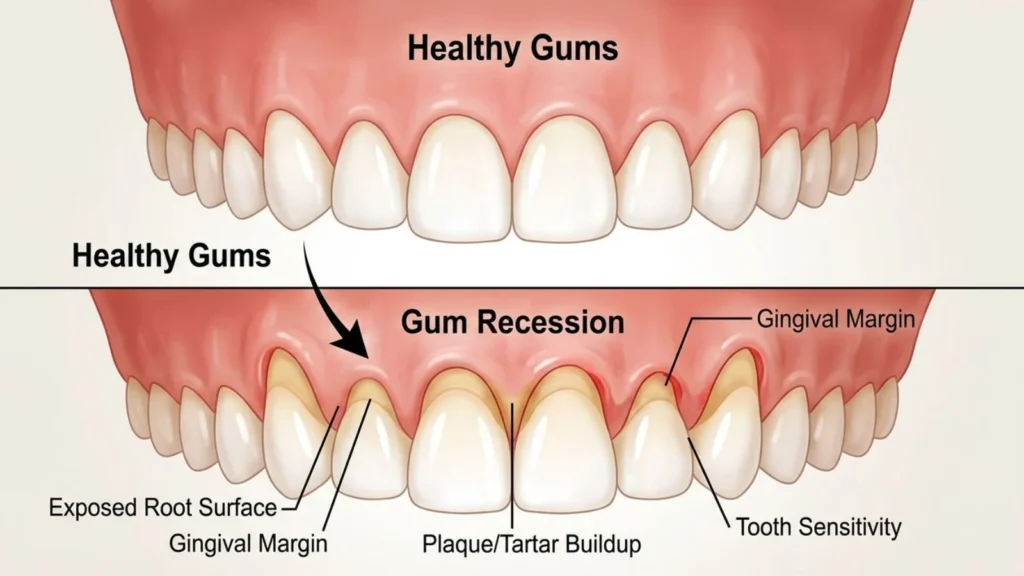
Gum recession happens when the gum tissue surrounding your teeth pulls back or “recedes” exposing more of the tooth and sometimes the root surface underneath. Unlike a cavity or a chip it’s not always obvious at first. It tends to happen gradually, often over months or years, which is part of why so many people don’t notice it until it’s already fairly advanced.
So how do you know if you have it? A few telltale signs to look for:
- Teeth that look longer than they used to. This is one of the most common complaints: a “toothy” smile that wasn’t always that way.
- Sensitivity to hot, cold or sweet foods and drinks. Exposed root surfaces lack the protective enamel found on the crown of the tooth making nerves more reactive.
- A visible notch or indentation at the gumline where the gum meets the tooth.
- Teeth that feel rough near the base or gums that appear uneven from one tooth to the next.
Dentists typically classify gum recession by severity using systems like the Miller Classification which ranges from mild recession with no bone or tissue loss between teeth to severe cases involving significant tissue and bone loss. Understanding where you fall on that spectrum matters because it directly affects which treatments home-based or professional are realistic for your situation, a topic we’ll get into next.
Can Receding Gums Actually Grow Back? (Set the Record Straight)
This is the question everyone searching “how to reverse receding gums” really wants answered and it deserves a straightforward response. Once gum tissue has receded it does not naturally regenerate on its own. Unlike skin, gum tissue doesn’t have the same regenerative capacity so no amount of brushing technique, natural remedy or diet change will make that lost tissue simply grow back.
That said, “reversing” gum recession isn’t a lost cause, it just means something different than most people assume. There are really three distinct outcomes worth understanding:
- Stopping further recession. This is the most achievable goal and it’s within your control through better oral hygiene addressing underlying causes and catching issues early.
- Improving gum health and appearance. Reducing inflammation, tightening gum tissue and improving the color and firmness of your gums is realistic with consistent care even if the tissue position itself doesn’t change.
- Regenerating lost tissue. This is possible but only through professional treatments like gum grafting not through home remedies alone.
Understanding this distinction matters. It’s the difference between wasting months on remedies that were never going to restore your gumline and taking the right steps toward outcomes you can actually achieve. The rest of this guide is organized around exactly what you can do at home and when it’s time to bring in a professional.
Common Causes of Gum Recession
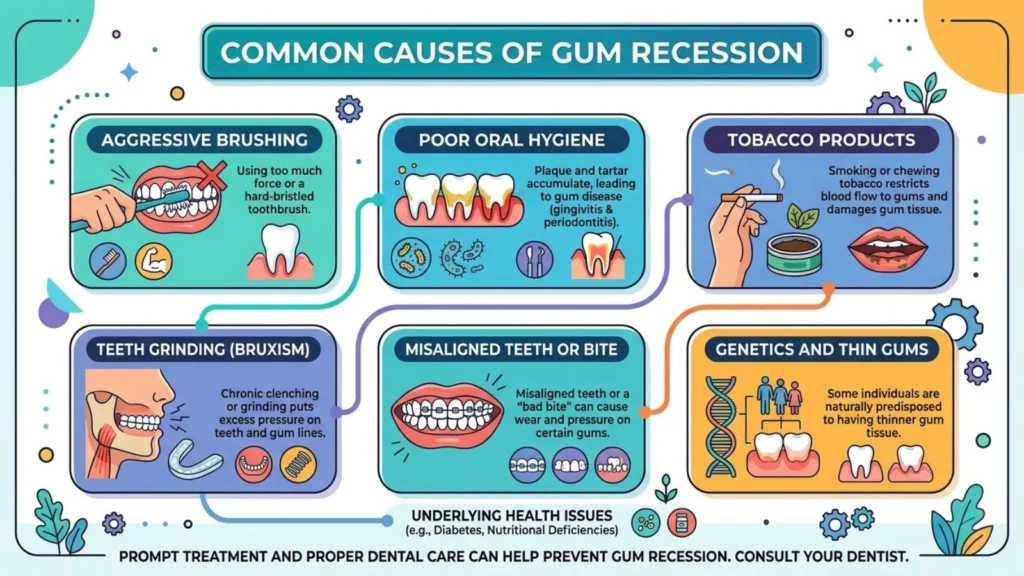
Understanding what’s causing your gum recession is key to stopping it from getting worse and to choosing the right treatment. Here are the most common culprits:
- Periodontal (gum) disease. Bacterial infection of the gum tissue is one of the leading causes of recession, gradually breaking down the tissue and bone that support your teeth.
- Aggressive or improper brushing. Brushing too hard using a hard-bristled brush or using a harsh back-and-forth sawing motion can wear away gum tissue over time.
- Poor oral hygiene. Plaque and tartar buildup along the gumline irritate and inflame gum tissue eventually causing it to pull back.
- Genetics and thin gum tissue. Some people are simply born with thinner or more delicate gum tissue making them more prone to recession regardless of how well they care for their teeth.
- Tobacco use. Smoking and chewing tobacco contribute to plaque buildup and impair gum tissue’s ability to heal.
- Teeth grinding or clenching (bruxism). Excessive force on teeth can affect the surrounding gum and bone.
- Misaligned teeth or bite issues. Crowded or crooked teeth can put uneven pressure on gums and bone.
- Hormonal changes. Fluctuations during pregnancy, puberty or menopause can make gums more sensitive and vulnerable.
- Piercings. Lip or tongue jewelry can repeatedly rub against gum tissue wearing it down.
- Aging. Gum recession becomes more common simply with age and years of cumulative wear.
At-Home Steps to Stop Gum Recession From Getting Worse
While you can’t regrow lost gum tissue at home you have real power to stop recession from progressing further. These habits make the biggest difference:
- Switch to a soft-bristled toothbrush. Firm or medium bristles are often too abrasive for gum tissue especially if you already brush with heavy pressure. Soft bristles clean just as effectively without the wear and tear.
- Fix your brushing technique. Hold your brush at a 45-degree angle to the gumline and use gentle circular motions rather than aggressive back-and-forth scrubbing. Let the bristles do the work, not your arm strength.
- Floss or clean between teeth daily. Removing plaque from areas your toothbrush can’t reach prevents the buildup that irritates and inflames gum tissue.
- Use a toothpaste designed for gum health. Look for fluoride toothpaste or formulas specifically marketed for sensitive teeth and gums which can help manage discomfort from exposed roots.
- Address teeth grinding. If you grind or clench at night a custom or over-the-counter night guard can protect both your teeth and the surrounding gum tissue from excess force.
- Quit tobacco. Smoking and chewing tobacco actively worsen gum health and slow healing making this one of the most impactful changes you can make.
- Treat gum disease early. If inflammation bleeding or bad breath signal early gum disease, addressing it promptly can prevent recession from advancing further.
Natural and Home Remedies: What the Evidence Actually Says

Search “reverse receding gums naturally” and you’ll find no shortage of remedies promising results. Here’s a realistic look at what they can and can’t do: none of these regenerate lost gum tissue but several may support gum health and reduce inflammation.
- Oil pulling. Swishing coconut or sesame oil in the mouth may reduce harmful bacteria and plaque which can support gum health though evidence is limited and it won’t restore recession.
- Saltwater rinses. A simple saltwater rinse has mild antibacterial properties and can soothe inflamed gums making it a reasonable addition to your routine.
- Aloe vera gel. Known for its soothing anti-inflammatory properties aloe vera may help calm irritated gum tissue when applied topically.
- Green tea. Rich in antioxidants, green tea may help reduce inflammation and support gum tissue health when consumed regularly.
- Turmeric paste. Turmeric’s anti-inflammatory compounds are sometimes applied as a paste to gums though clinical evidence supporting significant benefits remains limited.
- Eucalyptus oil. Some studies suggest antibacterial properties but it should be used cautiously and diluted as it can irritate tissue if used incorrectly.
- Herbal supplements. Products like Septilin are sometimes marketed for gum health but evidence remains preliminary.
The bottom line: these remedies can be a helpful supplement to good oral hygiene but they are not substitutes for treating the underlying cause or for professional care when needed.
Professional Treatments That Can Actually Restore Gum Tissue
When gum recession has progressed beyond what home care can address, professional treatment is where real restoration happens. Here are the main options a dentist or periodontist may recommend:
- Scaling and root planing. This deep cleaning procedure removes plaque and tartar from below the gumline and smooths root surfaces often used for early-stage recession caused by buildup and mild gum disease.
- Pinhole Surgical Technique (PST). A minimally invasive procedure where a small pinhole is made in the gum tissue allowing the dentist to gently reposition existing gum tissue over exposed roots without grafting or stitches.
- Gum graft surgery. Considered the gold standard for restoring lost gum tissue, this involves taking tissue (often from the roof of the mouth or a donor source) and grafting it onto the affected area. Common types include connective tissue grafts, free gingival grafts and pedicle grafts.
- Guided tissue regeneration. Used alongside grafting in some cases this technique encourages the body to regenerate lost bone and tissue using a special membrane placed at the site.
- Composite bonding. A cosmetic option where tooth-colored resin is applied to cover exposed roots improving appearance and reducing sensitivity though it doesn’t restore actual gum tissue.
Recovery time varies by procedure ranging from a few days for minimally invasive options to a couple of weeks for traditional grafting.
When to See a Dentist or Periodontist
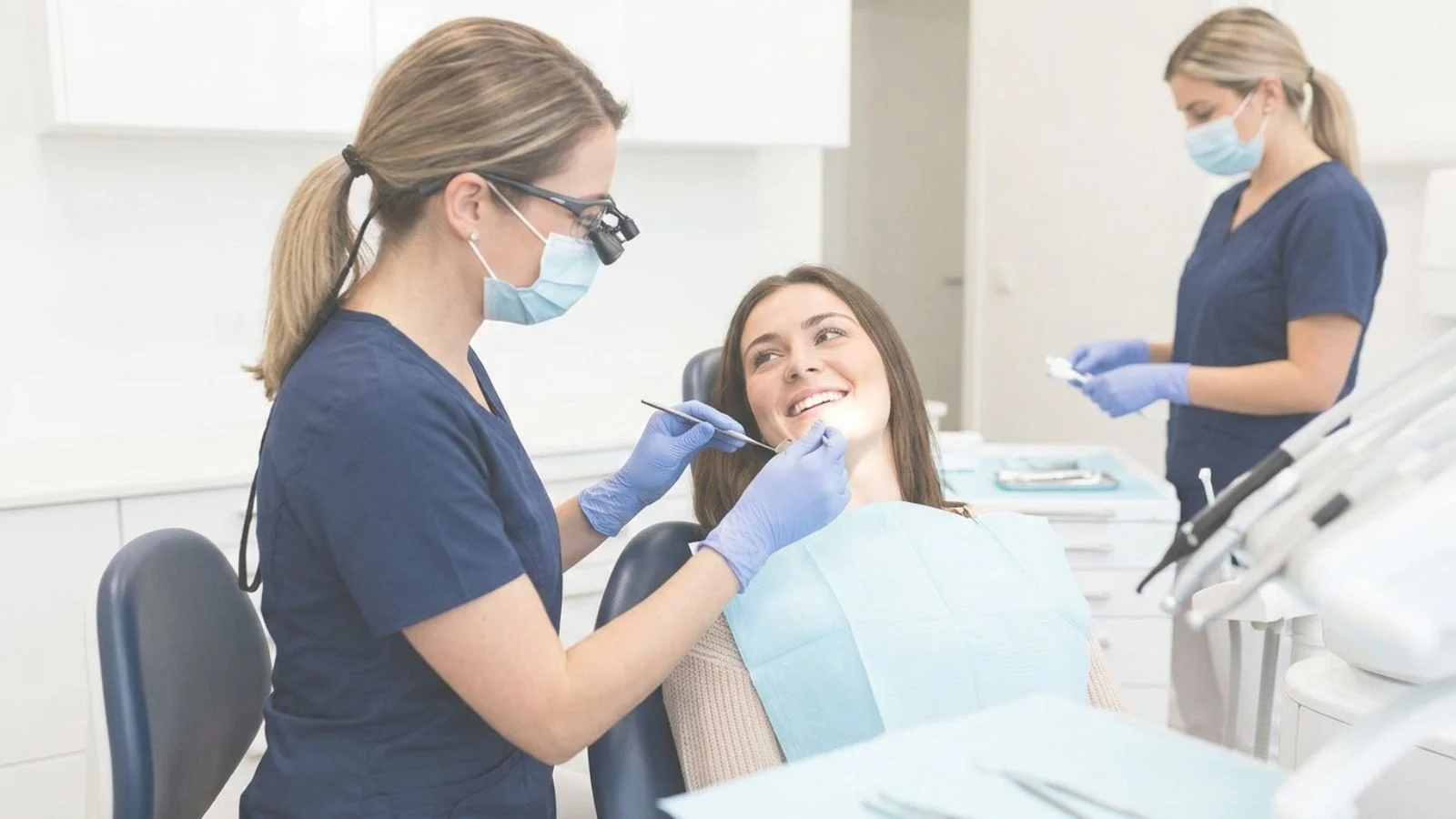
While mild recession can often be managed and slowed at home, certain signs mean it’s time to bring in a professional rather than waiting to see if things improve on their own.
Watch for these warning signs:
- Noticeable or worsening tooth sensitivity especially to cold hot or sweet foods
- Visible root exposure or teeth that appear to be getting longer
- Bleeding gums especially during brushing or flossing
- Persistent bad breath that doesn’t improve with better hygiene
- Loose or shifting teeth which can signal bone loss
- Pain or discomfort at the gumline
- Gum recession that seems to be spreading to multiple teeth or getting visibly worse over a few months
Early intervention matters far more than most people realize. Left untreated gum recession can progress to expose more of the root surface, increase the risk of cavities forming at the root and eventually contribute to bone loss and tooth instability. What starts as a cosmetic concern can become a structural one.
At a periodontal evaluation expect your provider to measure the depth of recession at each affected tooth, check for signs of active gum disease, evaluate bone levels (sometimes with X-rays) and identify contributing factors like bite alignment or brushing habits. This assessment is what determines whether home care is enough or whether a procedure like scaling PST or grafting is the better path forward.
How to Prevent Gum Recession in the Future
Whether you’re recovering from treatment or simply want to protect healthy gums, prevention comes down to a handful of consistent habits rather than any single fix.
- Keep up with routine dental checkups and cleanings. Visiting your dentist every six months allows plaque and tartar to be removed before they cause damage and lets small issues get caught before they become bigger ones.
- Stick to gentle consistent oral hygiene. A soft-bristled brush, proper technique and daily flossing remain your best everyday defense against the buildup that leads to recession.
- Address bite and alignment issues. If crowded or misaligned teeth are putting uneven pressure on your gums, talk to your dentist about orthodontic options that can reduce long-term strain.
- Manage known risk factors. This means quitting tobacco if you use it wearing a night guard if you grind your teeth and removing or adjusting oral piercings that repeatedly rub against gum tissue.
- Pay attention to hormonal changes. If you’re pregnant or going through a period of hormonal fluctuation, extra attention to gum care can help offset increased sensitivity during these times.
- Don’t ignore early symptoms. Bleeding gums mild sensitivity or slight puffiness are early warning signs not things to wait out. Addressing them promptly is far easier than reversing advanced recession later.
Prevention is ultimately about consistency not perfection. Small daily habits sustained over years are what protect your gumline long-term.
Common Myths About Reversing Receding Gums
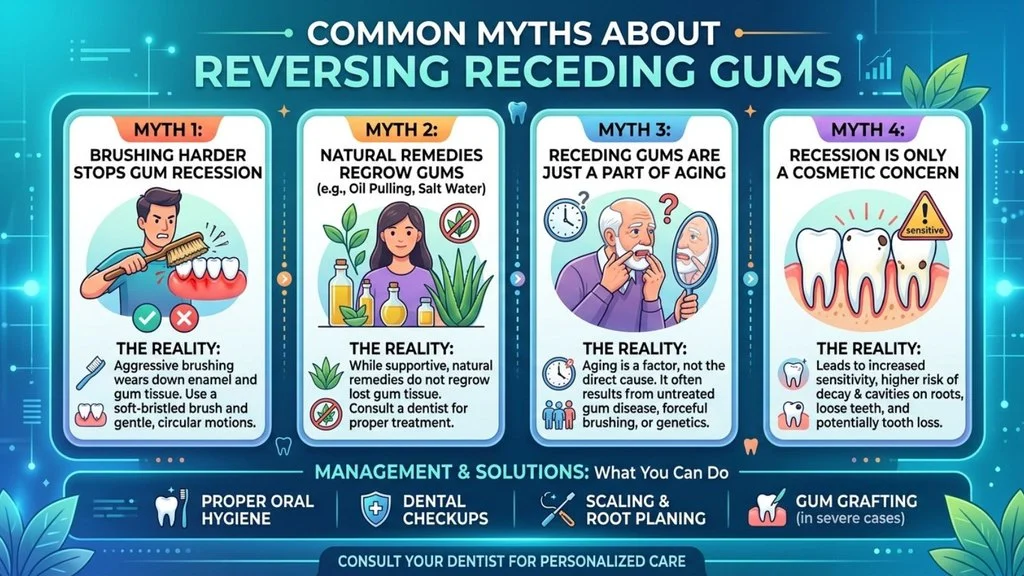
With so much conflicting advice online a few persistent myths keep circulating. Here’s a clear-eyed look at what’s actually true.
Myth: “Oil pulling regrows gums.”
Oil pulling may support oral hygiene by reducing bacteria but there’s no evidence it regenerates gum tissue. Any claims suggesting otherwise are overstating what the practice can actually do.
Myth: “Gums grow back if you just improve your brushing.”
Better brushing technique can absolutely stop recession from worsening and it protects the gum tissue you still have. But it cannot restore tissue that’s already been lost that requires professional treatment.
Myth: “Only older people get receding gums.”
While recession does become more common with age it affects people of all ages. Aggressive brushing genetics piercings and untreated gum disease can cause recession in people in their 20s and 30s just as easily.
Myth: “It’s just cosmetic not serious.”
Receiving gums are often dismissed as an appearance issue but exposed roots are more vulnerable to decay and untreated recession can progress to bone loss and tooth instability. Treating it early is about long-term oral health, not just how your smile looks.
Myth: “Natural remedies alone can fix advanced recession.”
Home remedies can support gum health and slow progression but once recession is moderate to severe professional treatment is typically necessary to achieve meaningful improvement.
FAQ
Can receding gums grow back naturally?
No. Once gum tissue recedes it doesn’t regenerate on its own. Good oral hygiene and lifestyle changes can stop recession from progressing and support overall gum health but restoring lost tissue requires professional treatment like grafting.
How long does it take to stop the gum recession?
This varies by cause and severity but many people see improvement in gum health within a few weeks of adopting proper brushing technique, better hygiene and addressing underlying issues. Fully halting progression may take a few months of consistent care especially if gum disease is involved.
Is gum recession reversible without surgery?
Mild recession caused by plaque buildup can sometimes be managed with deep cleaning (scaling and root planing) rather than surgery. However, restoring already-lost tissue in moderate to severe cases typically requires a surgical option like gum grafting or the Pinhole Surgical Technique.
What foods help gum health?
Foods rich in vitamin C (citrus bell peppers) crunchy vegetables that stimulate saliva production and green tea for its antioxidant properties can all support healthier gum tissue though diet alone won’t reverse existing recession.
Does oil pulling really work for gums?
It may help reduce oral bacteria and support general gum health but current evidence doesn’t support claims that it regenerates receded gum tissue.
How much does a gum graft cost?
Costs vary widely by location provider and graft type typically ranging from a few hundred to a couple thousand dollars per site. Checking with a periodontist and your dental insurance is the best way to get an accurate estimate.
Conclusion
Receding gums can feel discouraging especially once you realize that lost tissue doesn’t simply grow back on its own.
But that’s not the same as being out of options. As this guide has shown there’s a real achievable path forward one that starts with stopping further recession through better brushing technique, consistent hygiene and addressing risk factors like grinding tobacco use or untreated gum disease.
For many people that alone is enough to protect their smile long-term. But if recession has already progressed professional treatments like scaling and root planing the Pinhole Surgical
Technique or gum grafting can do what home care can’t: actually restore the tissue you’ve lost. The right option depends on your specific situation which is exactly why a proper evaluation matters more than guessing based on what worked for someone else online.