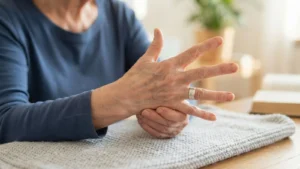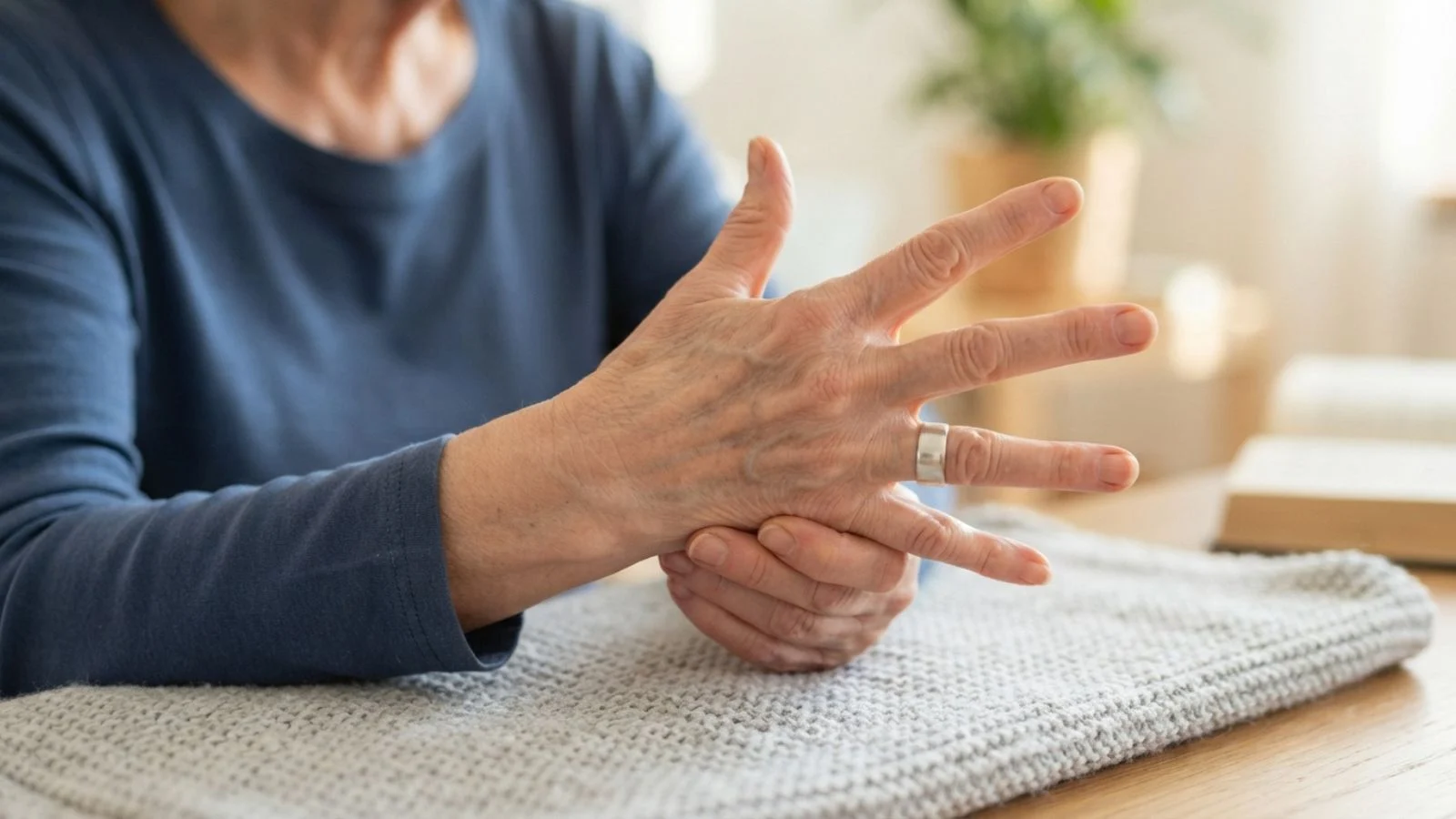
If you’ve ever winced trying to twist open a jar button a shirt or type through a full workday you already know how disruptive arthritis in the fingers can be.
It’s one of the most common and most underestimated sources of chronic hand pain affecting millions of people as they age or recover from repetitive strain and injury.
The stiffness swelling and aching that come with it don’t just hurt; they chip away at independence one small task at a time.
The good news? While arthritis in the fingers can’t always be “cured” outright it can absolutely be managed often dramatically with the right combination of exercises, lifestyle adjustments and treatments.
In this guide we’ll break down what causes finger arthritis, how to recognize it early and the most effective strategies from simple at-home remedies to medical interventions for easing pain and keeping your hands moving.
Understanding Finger Arthritis
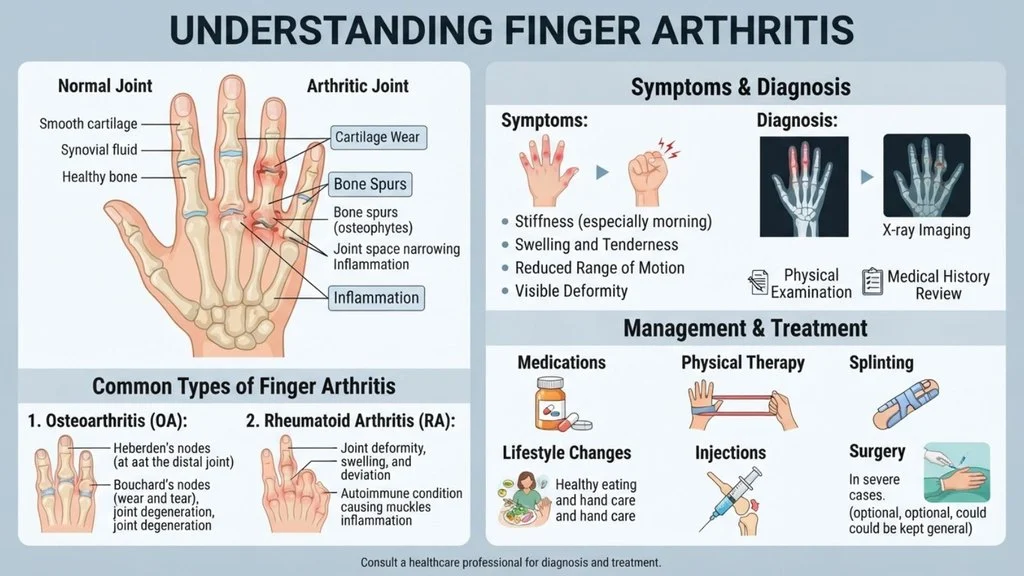
Finger arthritis isn’t a single condition; it’s an umbrella term for several types of joint inflammation each with its own cause and pattern. To manage it effectively it helps to understand what’s actually happening inside your hands.
Each finger has three small joints: the DIP joint (closest to the fingertip) , the PIP joint (the middle knuckle) and the MCP joint (where the finger meets the hand). These joints are cushioned by cartilage, a smooth tissue that lets bones glide against each other without friction. Arthritis develops when that cartilage breaks down or when the joint lining becomes inflamed.
Osteoarthritis (OA) is by far the most common type affecting fingers. It’s a “wear-and-tear” condition where cartilage gradually erodes over years, often showing up first at the DIP and thumb joints.
Rheumatoid arthritis (RA) by contrast is an autoimmune disease the body’s immune system mistakenly attacks the joint lining. RA tends to affect the same joints on both hands symmetrically and often starts at the MCP and PIP joints.
Psoriatic arthritis linked to the skin condition psoriasis can also target finger joints sometimes causing a distinctive “sausage-like” swelling of an entire finger.
Finally post-traumatic arthritis can develop years after a finger injury fracture or dislocation even if it healed properly at the time.
Knowing which type you’re dealing with matters it shapes everything from the exercises you choose to the treatments your doctor may recommend.
Causes & Risk Factors
While anyone can develop arthritis in their fingers certain factors make it far more likely and understanding them can help you catch symptoms early or even slow their progression.
Age is the single biggest factor. Cartilage naturally thins over decades of use which is why osteoarthritis becomes increasingly common after 40 and even more so after 60.
Genetics play a significant role too. If your parents or grandparents had arthritic hands especially with visible knuckle nodules you’re statistically more likely to develop it yourself.
Repetitive strain from occupational or hobby-related overuse typing assembly line work playing instruments or manual labor puts continuous stress on finger joints accelerating cartilage breakdown over time.
A previous joint injury, even one that seemed to heal completely, can leave microscopic damage that develops into arthritis years later. This is especially true for fractures or dislocations involving the joint surface itself.
Gender matters as well women are diagnosed with hand osteoarthritis at notably higher rates than men particularly after menopause likely tied to hormonal shifts affecting joint tissue.
Obesity contributes indirectly. While it’s more obviously linked to weight-bearing joints like knees and hips, excess body fat also promotes systemic inflammation that can worsen joint conditions throughout the body including the hands.
Finally for rheumatoid and psoriatic arthritis autoimmune triggers sometimes linked to infections, smoking or family history of autoimmune disease cause the immune system to attack joint tissue directly rather than simple wear-and-tear.
Signs & Symptoms

Recognizing finger arthritis early can make a real difference in how effectively it’s managed so it’s worth knowing exactly what to watch for.
Joint stiffness is often the first sign especially noticeable first thing in the morning or after periods of inactivity. With osteoarthritis this stiffness typically eases within 30 minutes; with rheumatoid arthritis it can linger much longer sometimes for hours.
Swelling and redness around the joints are common particularly during flare-ups. The skin may feel warm to the touch and the joint itself can appear visibly puffier than usual.
One of the most recognizable signs of osteoarthritis is the development of bony nodules small hard bumps that form at the joints. Those at the fingertip joints are called Heberden’s nodes while ones at the middle knuckle are known as Bouchard’s nodes. They’re not dangerous but they can affect finger shape and flexibility.
Reduced range of motion often follows making it harder to fully bend or straighten fingers from a fist or grip objects tightly.
Speaking of which grip weakness is a frequent complaint, everyday tasks like opening jars, turning keys or carrying grocery bags can suddenly feel much harder.
Many people also notice a cracking or grinding sensation known as crepitus when moving affected joints as a result of roughened cartilage surfaces rubbing together.
Left unaddressed these symptoms tend to worsen gradually over time which is why early recognition and intervention matter so much.
Diagnosis
Self-recognizing symptoms is a useful first step but confirming finger arthritis and identifying which type you have requires a proper medical evaluation. Getting an accurate diagnosis matters because treatment approaches differ significantly between osteoarthritis rheumatoid arthritis and other forms.
The process usually begins with a physical examination. A doctor will check for swelling tenderness warmth and visible nodules while also testing your range of motion and grip strength. They’ll often ask about symptom patterns whether pain is symmetrical when stiffness is worst and how long it’s been present since these details help distinguish between arthritis types.
Imaging tests particularly X-rays are commonly used to assess joint damage. X-rays can reveal narrowed joint spaces (a sign of cartilage loss) bone spurs and changes in bone structure that are characteristic of osteoarthritis. In some cases MRI or ultrasound may be used for a more detailed look at soft tissue and early-stage inflammation.
For suspected rheumatoid arthritis blood tests play a central role. Doctors typically check for rheumatoid factor (RF) and anti-cyclic citrullinated peptide (anti-CCP) antibodies along with inflammatory markers like ESR and CRP which tend to be elevated during active autoimmune flares.
It’s worth emphasizing that self-diagnosis has real limits. Many hand conditions tendonitis carpal tunnel syndrome or ganglion cysts can mimic arthritis symptoms. A proper diagnosis ensures you pursue the right treatment path rather than guessing based on symptoms alone.
Non-Medical / At-Home Management
Alongside professional care everyday habits can meaningfully ease finger arthritis symptoms and slow their progression.
Exercises & stretches help maintain flexibility and reduce stiffness. Simple routines like finger bends, tendon glides fist stretches and thumb touches done a few times daily keep joints mobile. Grip-strengthening tools like stress balls or therapy putty build supportive hand muscles without overloading joints.
Hot and cold therapy each serve different purposes. Heat via warm water soaks or paraffin wax baths relaxes stiff joints and improves blood flow ideal before activity. Cold packs reduce swelling and numb pain best used after activity or during flare-ups.
Ergonomic adjustments reduce daily strain. Jar openers built-up pen grips key turners and ergonomic keyboards all minimize the repetitive stress that worsens symptoms.
Diet plays a supporting role too. Omega-3-rich foods (fatty fish walnuts flaxseed) and turmeric/curcumin have anti-inflammatory properties worth incorporating. Limiting processed sugar and excess red meat may help reduce systemic inflammation.
Weight management matters even for non-weight-bearing joints like fingers since excess body fat contributes to inflammation throughout the body.
Simple massage techniques gently kneading the palm and fingers can boost circulation and ease tension.
Finally rest and joint protection including splinting during flare-ups and avoiding repetitive strain prevent overuse from accelerating damage.
Over-the-Counter & Topical Options

For many people over-the-counter solutions offer meaningful relief without needing a prescription, a useful first line of defense before or alongside other treatments.
Topical NSAID creams and gels are among the most popular choices. Applied directly to the affected joints they deliver anti-inflammatory relief locally with less systemic exposure than oral medications. They’re particularly well-suited for finger arthritis since the joints are close to the skin surface allowing the medication to penetrate effectively.
Capsaicin creams derived from chili peppers work differently; they create a warming sensation that helps disrupt pain signals to the brain. Some people find them highly effective though they can take consistent use over several days to show noticeable results and a mild burning sensation on first application is common.
Oral over-the-counter pain relievers are another widely used option for managing flare-ups. As with any medication it’s important to follow the dosing instructions on the label and check with a doctor or pharmacist especially if you take other medications or have existing health conditions dosing needs can vary significantly from person to person.
Compression gloves are a simple drug-free option worth mentioning as well. Designed with mild even pressure they can help reduce swelling and provide gentle support during daily activities and many users wear them overnight to ease morning stiffness.
Together these accessible options often make a noticeable difference before considering more involved medical treatments.
Medical & Professional Treatments
When at-home care and OTC options aren’t enough a range of professional treatments can offer more targeted relief and in some cases help prevent further joint damage.
Physical and occupational therapy are often the first step. A therapist can design a personalized hand-exercise program, teach joint-protection techniques for daily tasks and recommend adaptive tools tailored to your specific limitations. This approach is especially valuable for maintaining function without over-relying on medication.
Prescription medications may be recommended depending on the type and severity of arthritis. For osteoarthritis this might include stronger anti-inflammatory options than what’s available over the counter. For rheumatoid arthritis doctors often prescribe disease-modifying antirheumatic drugs (DMARDs) which work to slow the underlying autoimmune process rather than just masking symptoms. Any prescription treatment should be discussed directly with a doctor since the right choice depends on individual health history and disease severity.
Corticosteroid injections deliver concentrated anti-inflammatory medication directly into an affected joint offering relief that can last weeks to months. They’re particularly useful during severe flare-ups though they’re typically not used too frequently due to potential effects on joint tissue over time.
Splints and orthotic devices support and stabilize affected joints reducing strain during use and helping correct or slow deformity progression.
For advanced cases where joint damage significantly limits function surgical options including joint fusion or joint replacement may be considered. These are generally reserved for situations where conservative treatments have been exhausted.
Alternative & Complementary Approaches

Beyond conventional treatments many people explore complementary approaches to further ease arthritis symptoms often alongside rather than instead of standard medical care.
Acupuncture is one of the most widely studied alternative therapies for joint pain. By inserting thin needles at specific points it’s thought to stimulate the body’s natural pain-relief responses and improve circulation to affected areas. While research results are mixed many people report meaningful symptom relief particularly for stiffness and chronic discomfort.
Supplements like glucosamine and chondroitin are popular additions to arthritis management routines based on the theory that they support cartilage structure and repair. It’s worth noting the scientific evidence here is genuinely mixed. Some studies show modest benefits for certain individuals while others find little difference compared to a placebo. If considering supplements it’s a good idea to discuss them with a doctor particularly regarding interactions with other medications.
Yoga and hand-specific mobility routines offer a gentler more holistic approach to joint care. Beyond flexibility these practices often incorporate breathing techniques and mindful movement that can reduce overall tension which sometimes indirectly eases joint discomfort.
Mind-body approaches for chronic pain management including meditation guided relaxation and cognitive behavioral techniques are increasingly recognized for their role in managing the psychological toll of chronic pain. Living with ongoing discomfort can be mentally exhausting and these techniques help build resilience and coping strategies alongside physical treatment.
Lifestyle Changes for Long-Term Relief
Beyond specific treatments the daily habits you build around your hands play a major role in how arthritis progresses over months and years.
Establishing a daily hand-care routine creates consistency that pays off over time. This might include morning stretches to ease overnight stiffness, periodic movement breaks during repetitive tasks and an evening wind-down of gentle massage or warmth to relax the joints before bed. The key is regularity; occasional care helps far less than a sustainable daily habit.
Sleep quality matters more than many people realize. Poor sleep is linked to increased inflammation throughout the body which can intensify joint pain and stiffness. Prioritizing consistent quality rest supports the body’s natural repair processes and may reduce next-day symptom flares.
Stress management deserves real attention too particularly for those with rheumatoid arthritis. Stress hormones can trigger or worsen autoimmune flares meaning chronic stress isn’t just uncomfortable mentally it can have a direct physical impact on joint inflammation. Techniques like deep breathing journaling or simply carving out downtime can help keep flares in check.
Finally staying active without overloading joints strikes an important balance. Complete rest can lead to further stiffness and muscle weakening around the joints while overuse accelerates damage. The goal is moderate joint-friendly movement, swimming , walking or gentle hand exercises that keeps the body active without excessive strain on already-affected areas.
When to See a Doctor

While many arthritis symptoms can be managed at home certain warning signs indicate it’s time to seek professional medical attention rather than continuing self-care alone.
Sudden severe swelling that appears quickly and significantly especially if it’s accompanied by intense pain warrants prompt evaluation. This can sometimes signal an acute flare infection or other condition requiring immediate attention rather than routine arthritis management.
Joint deformity is another important red flag. If fingers begin visibly shifting position bending at unusual angles or losing their normal alignment this often indicates progressive joint damage that may benefit from earlier intervention to slow further structural changes.
Fever accompanying joint pain should never be ignored. While arthritis itself doesn’t typically cause fever this combination can point to an infection within the joint (septic arthritis) or a systemic autoimmune flare both of which require timely medical assessment.
Perhaps most importantly symptoms that aren’t improving despite consistent home care OTC treatments and lifestyle adjustments are a clear signal to consult a doctor. This is especially true if pain is worsening, spreading to new joints or increasingly interfering with daily function.
The broader theme here is early intervention. Arthritis particularly rheumatoid arthritis tends to respond best to treatment when caught and addressed early before significant joint damage occurs. Waiting too long hoping symptoms will simply resolve on their own can mean missing a window where treatment could have prevented long-term structural changes to the joints.
Prevention Tips
While not all arthritis is preventable, genetics and autoimmune triggers play roles beyond our control; certain habits can meaningfully reduce risk or delay onset particularly for osteoarthritis.
Ergonomic habits at work make a significant difference for anyone whose job involves repetitive hand movements. This means positioning keyboards and tools to keep wrists neutral, taking regular micro-breaks during repetitive tasks and using tools designed to reduce grip strain. Small adjustments compound significantly over years of daily use.
Protecting joints during repetitive tasks extends beyond the workplace too. Activities like gardening, playing instruments, knitting or certain sports can all place repeated stress on finger joints. Using proper technique taking breaks and varying activities to avoid overusing the same joints repeatedly all help distribute strain more evenly.
Regular gentle exercise to maintain mobility is perhaps the most universally beneficial habit. Keeping joints moving through their full range of motion even without arthritis symptoms present helps maintain cartilage health and surrounding muscle strength. Simple daily hand stretches much like the ones used for symptom management work equally well as preventive maintenance.
It’s also worth mentioning broader lifestyle factors that support joint health long-term: maintaining a healthy weight to reduce systemic inflammation eating an anti-inflammatory-friendly diet avoiding smoking (which is linked to higher rheumatoid arthritis risk) and staying attentive to early symptoms rather than dismissing occasional stiffness as “normal aging.”
Myths vs. Facts
Arthritis is surrounded by misconceptions many of which can lead people to either unnecessary worry or missed opportunities for effective management. Let’s clear up some of the most common ones.
Myth: Cracking your knuckles causes arthritis.
This is one of the most persistent hand-health myths out there. The popping sound comes from gas bubbles collapsing in the joint fluid not from cartilage damage. Multiple studies including long-term research comparing habitual knuckle-crackers to non-crackers have found no meaningful link to arthritis development. It might annoy people around you but it isn’t hurting your joints.
Myth: Nothing can be done once arthritis develops.
This one discourages far too many people from seeking help. While arthritis isn’t typically “curable” in the sense of fully reversing joint changes it’s highly manageable. Between exercises, lifestyle adjustments, medications and medical treatments most people see significant symptom improvement often enough to maintain a normal active daily routine.
Myth: Arthritis only affects older people.
While age is a major risk factor for osteoarthritis, rheumatoid and psoriatic arthritis can develop at virtually any age including in your 20s and 30s. Younger people experiencing unexplained joint stiffness or swelling shouldn’t dismiss it as “too young for arthritis.”
Myth: If it doesn’t hurt constantly it’s not serious.
Arthritis often progresses gradually with symptoms coming and going before becoming persistent. Early intermittent stiffness shouldn’t be ignored just because it isn’t yet a daily issue; early intervention tends to yield the best long-term outcomes.
Conclusion
Arthritis in the fingers can feel like a frustrating ever-present obstacle turning once-simple tasks like opening a jar, typing or buttoning a shirt into daily challenges but as this guide has shown it’s far from a condition you have to simply endure.
Understanding which type of arthritis you’re dealing with, recognizing symptoms early and getting a proper diagnosis lay the groundwork for effective management.
From there a combination of approaches tends to work best: daily hand exercises and stretches to maintain mobility, smart ergonomic adjustments to reduce strain, anti-inflammatory dietary choices and hot or cold therapy to manage discomfort as it arises.
When home care isn’t enough OTC options professional treatments like physical therapy and medications and in more advanced cases medical interventions can offer significant relief.