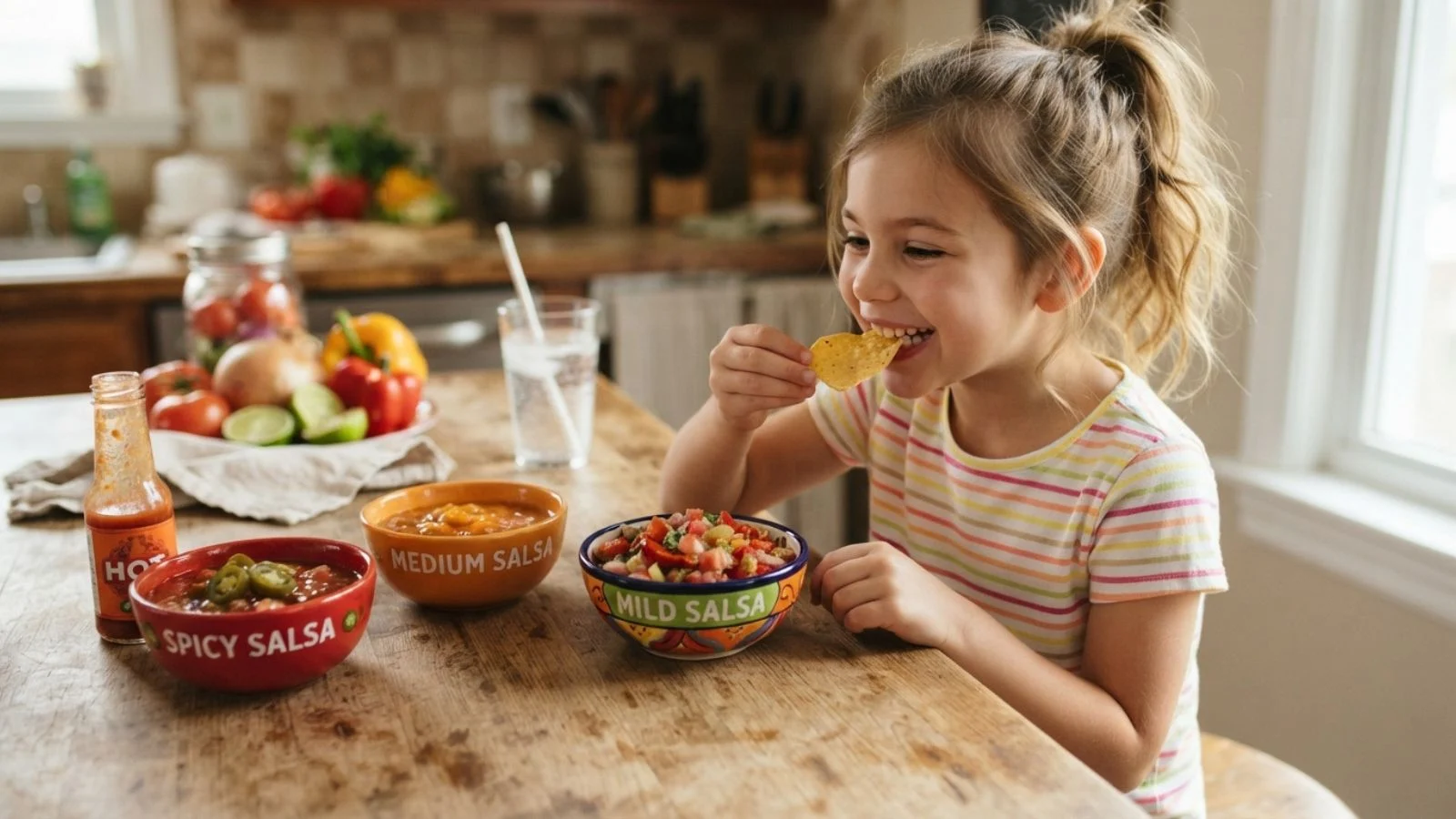
There’s nothing worse than putting together a big batch of salsa, taking that first celebratory bite and immediately reaching for a glass of milk.
One handful too many of serranos or a few stray seeds that snuck past you and suddenly the salsa you were excited to serve is more punishment than party food. If this has happened to you you’re not alone and more importantly it’s completely fixable.
Salsa that’s too spicy isn’t a ruined batch. The heat comes from a specific compound in specific parts of the pepper and once you understand how it behaves, bringing it back down to an enjoyable level is straightforward.
If you need an emergency fix for guests arriving in twenty minutes or want to understand how to control heat from the start, this guide walks through every method that works dilution, fat, acid, sweetness, and simple pepper prep so your next batch turns out exactly how you want it.
Understanding Where the Heat Comes From

Before you can fix a too-spicy salsa it helps to know exactly what’s causing the burn. The heat in chili peppers comes from a compound called capsaicin which triggers the same heat-sensing receptors in your mouth that respond to actual physical heat. That’s why a spicy bite can genuinely feel like it’s burning even though nothing is.
Capsaicin isn’t spread evenly through a pepper. It’s concentrated almost entirely in the white pith or ribs that run along the inside of the pepper along with the seeds that cling to it. The flesh of the pepper itself contributes comparatively little heat. That’s why removing the seeds and ribs before adding peppers to your salsa is one of the single most effective ways to control spice.
Not all peppers carry the same heat potential either. A jalapeño typically falls in the 2500–8000 Scoville range, a serrano in the 10000–23000 range and a habanero can reach 100000–350000 meaning swapping pepper varieties can change your salsa’s heat level dramatically even using the same quantity. Ripeness plays a role too as fully ripened peppers (often redder or more deeply colored) tend to run hotter than their green underripe counterparts.
Finally heat can vary noticeably even between two peppers of the same type since growing conditions like soil water stress and climate all influence how much capsaicin a plant produces. This is why tasting as you go matters more than following a recipe’s pepper count exactly.
Fixing a Salsa That’s Already Too Spicy
If you’ve already blended a batch that’s too hot you have several practical options and most kitchens have the ingredients on hand already.
The simplest fix is dilution: stir in more chopped tomatoes, onion or cilantro. This doesn’t remove any capsaicin but it spreads the same amount across a larger volume lowering the heat in every bite.
Fat is your most powerful tool since capsaicin is fat-soluble and binds to it more readily than to water. A spoonful of sour cream or Mexican crema mashed avocado or a drizzle of olive oil can noticeably mellow the burn and avocado has the added benefit of thickening the texture.
A touch of sweetness also helps balance sharp heat. Sugar honey or even a spoonful of ketchup can round things out; add it gradually and taste as you go since the goal is balance not a sweet salsa.
Acid from lime juice, lemon juice or vinegar won’t neutralize capsaicin directly but it brightens the other flavors so the heat feels less dominant. Salt works similarly: it doesn’t reduce the actual heat but it sharpens the surrounding flavors enough that the spice feels less overwhelming.
Finally if the heat is coming from a few identifiable hot spots you can physically remove pepper pieces and seeds or strain the whole batch through a fine sieve. This works especially well when the spiciness isn’t evenly distributed throughout the salsa.
Preventing Excess Heat From the Start

Fixing an overly spicy batch works but it’s even better to avoid the problem altogether. A little care during prep goes a long way toward controlling heat before it becomes an issue.
Start with pepper selection. If you know you want a milder salsa, reach for jalapeños or poblanos instead of serranos or habaneros. Keeping a rough mental chart of common peppers mild (poblano Anaheim) , medium (jalapeño) hot (serrano) and very hot (habanero ghost pepper) makes it easier to choose intentionally rather than guessing.
Prep technique matters just as much as pepper choice. Since capsaicin concentrates in the seeds and ribs, removing them before blending strips out most of the heat while keeping the pepper’s flavor. Use gloves when handling hot peppers and avoid touching your face or eyes during the process. Capsaicin lingers on skin longer than you’d expect.
Ratio control is another simple safeguard. Rather than adding the full amount of pepper a recipe calls for, start with less than you think you need to blend the taste and add more gradually until you hit the right level. This is especially useful if you’re not familiar with how hot a particular pepper batch is since heat can vary even within the same variety.
Finally, consider how you prepare the peppers themselves. Roasting mellows a pepper’s sharp heat while adding a smoky depth so a roasted salsa often tastes less aggressive than a raw one even using the same peppers in the same quantity.
Special Cases
Not every salsa situation fits the standard fixes so it’s worth knowing how to handle a few specific scenarios.
Different salsa styles react differently. Pico de gallo being chunky and uncooked is easy to fix by physically removing pepper pieces or diluting with more tomato and onion. Salsa verde made with tomatillos balances well with a bit of added avocado or crema since its tang can handle richness. Cooked salsa roja often mellows on its own with a longer simmer while chipotle-based salsas where the heat comes from a smoky dried pepper rather than fresh ones respond best to dilution and fat rather than acid since chipotle’s smokiness can clash with too much lime.
If the heat came from powder or hot sauce rather than fresh peppers the fixes are the same but dilution tends to work faster since there are no seeds or pepper pieces to physically remove.
Batch size matters too. A small batch is easy to fix incrementally tasting after each addition. A large batch benefits from scaling up your dilution ingredients proportionally rather than guessing since it’s easy to underestimate how much a big pot needs.
One myth worth clearing up: water does not fix spicy salsa. Capsaicin isn’t water-soluble so adding water mostly just dilutes the flavor without meaningfully reducing the heat. You’ll end up with a watery still-spicy salsa. Fat acid sweetness and dilution with actual ingredients are far more effective.
Quick Reference Guide
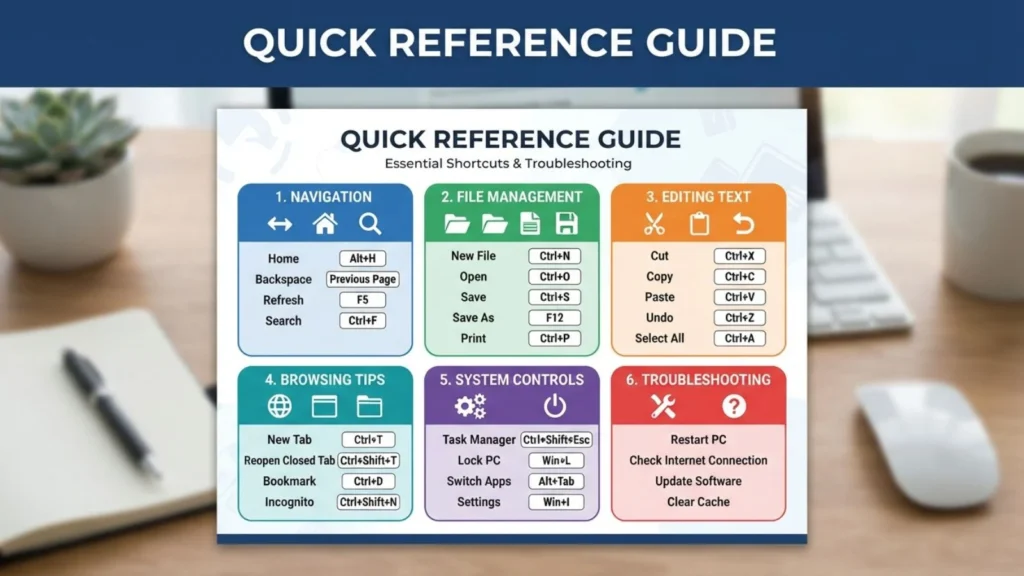
When you need a fast answer without re-reading the whole guide use this as a cheat sheet.
If your salsa is too spicy overall:
Add more tomatoes, onion and cilantro to dilute the batch. This is the quickest fix and works for almost any style of salsa.
If you want to cut the heat without changing the flavor much:
Stir in a spoonful of sour cream crema or a drizzle of olive oil. Fat binds to capsaicin more effectively than water so it noticeably softens the burn.
If the salsa tastes hot and flat:
Add a squeeze of lime juice or a splash of vinegar. This won’t remove capsaicin but it brightens the other flavors so the heat feels less dominant.
If the salsa needs rounding out:
A small amount of sugar honey or ketchup can balance sharp heat without making the salsa taste sweet add it slowly.
You can see or taste hot spots:
Spoon out visible seeds and pepper pieces or strain the batch through a fine sieve.
If guests are arriving in the next few minutes:
Mash in avocado. It thickens quickly, the texture cuts the heat through fat and doesn’t require any extra prep time.
If you’re starting a new batch and want to avoid the problem entirely:
Remove seeds and ribs from your peppers before blending. Start with fewer peppers than the recipe calls for and taste as you build up the heat.
Conclusion
A too-spicy salsa can feel like a lost cause in the moment but as this guide shows it almost never is.
The heat you’re tasting comes from captain a compound concentrated in a specific part of the pepper and once you understand that every fix makes sense: dilute the batch to spread the heat.
Thinner add fat to bind and neutralise captain directly brighten with acid so the burn feels less dominant round things out with a touch of sweetness or simply remove the seeds and pepper pieces causing the problem.
None of these methods require special ingredients or advanced technique sour cream avocado lime juice and a few extra tomatoes will get most batches back on track.
The real skill isn’t memorising a single fix but understanding why each one works so you can reach for if you happen to have on hand and adjust with confidence rather than guesswork.